
You flush an engine with a ready-made additive. You pour it into the old oil, idle for ten or fifteen minutes, then drain the lot. Some workshops use a dedicated flushing oil instead. Diesel from the pump, kerosene from a can, water from the tap: none of those clean an engine. They are backyard shortcuts, and they end in a repair bill you did not budget for.
Which engine flushing agent should you choose?
Pick a ready-made flush additive or a dedicated flushing oil. Those are the two products actually built for the job, tested, with a safety data sheet behind them. Everything else that goes into an engine because granddad swore by it is a gamble.
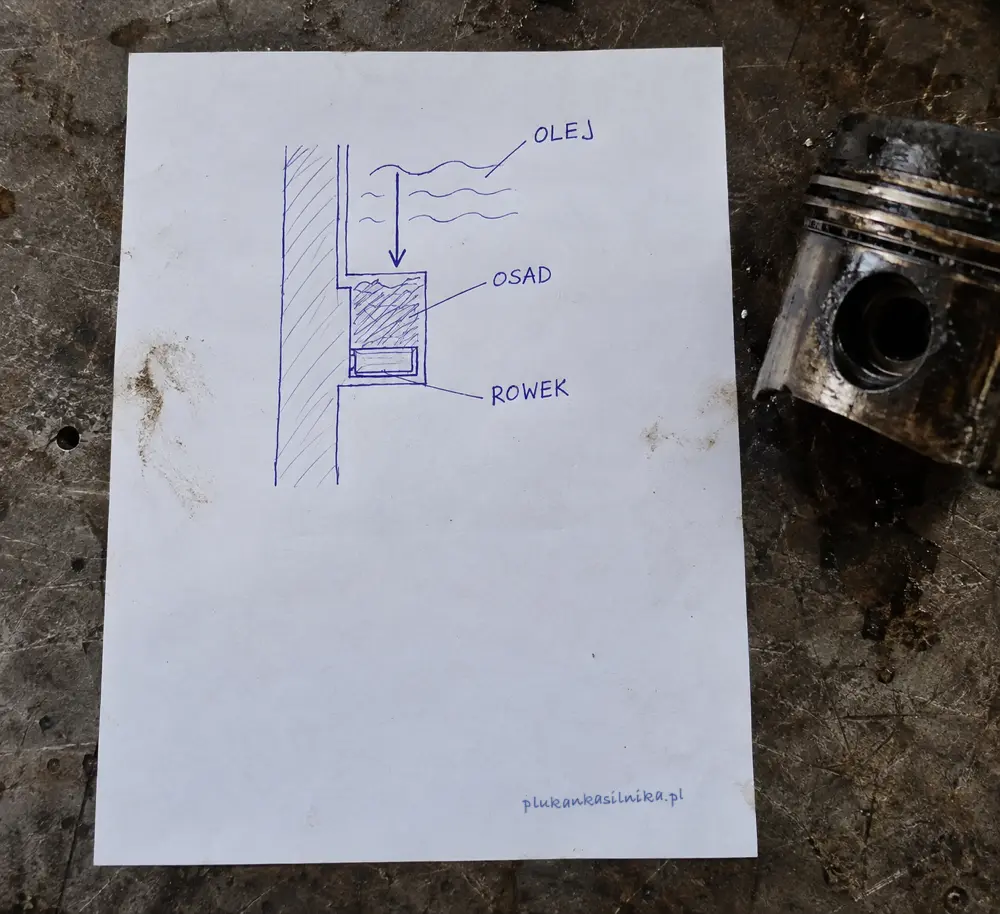
The trouble is that the phrase “engine flushing agent” covers three different things. The mechanic means one, the customer pictures another, some bloke on a forum swears by a third. Worth pulling them apart, because getting it wrong is the difference between driving off and going home on a flatbed.
| Type of product | What it is | How you use it | When it makes sense | Risk |
|---|---|---|---|---|
| Flush additive | A chemical prep of solvents and detergents in a small bottle | Pour it into the warm, still-dirty oil through the filler, run the engine at idle for a dozen or so minutes, then drain it out with the oil | Standard at an oil change, when you buy a car with an unknown history, after a seal failure | Minimal if you stick to the label |
| Flushing oil | A separate, thin mineral oil carrying a detergent-dispersant package | You swap it in for the engine oil for a short idle run, then drain it and refill with the proper oil | When a workshop prefers a gentler, longer flush over a strong solvent | Low, but the product is harder to find and used less often |
| Backyard “agents”: kerosene, diesel, water | Not flushing products at all. Fuel, a solvent, and water | People pour them in instead of a flush, hoping to save a few quid | Never | Lost lubrication, seizure, corrosion, a scrapped engine |
After specific products, or which one wins a head-to-head? That is a separate article, our ranking of which engine flush is best. Here I am on how these agents differ, and why one does the job while another wrecks the engine.
What should you never flush an engine with? Diesel, kerosene, water
Never flush an engine with diesel, with kerosene from a can, or with water. None of them carries a dispersant to hold the loosened dirt in suspension. So either nothing happens, or too much happens in the wrong place.

Diesel is tempting because it is right there on the bench and it dissolves things. That is where the good news ends. It tears off the bigger flakes of carbon but has nothing to hold them, so they travel straight to the oil pump pickup screen. The screen blocks, pressure drops, the bearing shells lose their film, and a couple of minutes later the engine seizes. Sometimes it stalls the moment you finish and never fires again. An old naturally aspirated lump, the sort you find in a VW T4, will sometimes take it, but even that does not walk away clean.
It is worth setting that against what actually blocks pickup screens in workshop practice. The most common cause is not deposit from the engine but silicone used to seal the sump. Someone beds the sump on a thick bead of sealant, the excess squeezes out on the inside, in time it breaks away in pieces and gets sucked straight onto the mesh. Next on the list come gasket remnants and fragments of disintegrating components. A flush only joins that list on severely neglected engines carrying a lot of sludge, and there it is wiser to drop the sump than to rely on chemistry.
Kerosene is milder and on its own probably will not wreck anything. It shifts a light film of deposits, but baked-on carbon is beyond it. No dispersant package, so the result is weak and hit-and-miss, and you have burned an afternoon and a fill of oil for nothing. Water is a non-starter. It dissolves neither grease nor deposits, and it is very good at one thing: starting rust in the exact spots you can no longer reach to clean.
| Myth | How it really works |
|---|---|
| “Diesel dissolves carbon and cleans the engine” | It dissolves, but with no dispersant the loosened bits clog the pump pickup and cut off lubrication |
| “Kerosene is a free flush” | Too weak for hard deposits, no detergent, hit-and-miss results |
| “I will rinse it with water and dry it out” | Water does not dissolve deposits and it leaves corrosion behind |
| “Fresh fuel cleans the engine and injectors by itself” | The PEA detergent package does the cleaning, not the base fuel, and at best it trims the deposits without reversing wear |
While we are on fuel: no, fresh diesel or petrol does not “wash” the engine as you drive. What cuts deposits is a detergent package, PEA for example, in a decent additive or in premium fuel. Even then it only lifts part of the film, and it will not bring a worn nozzle or valve back to factory spec. Add to that fuel blended with FAME, which ages faster, holds water and builds deposits, and the “self-cleaning tank” is a fairy tale. Tempted by a cheap homebrew mix? First read why a homemade engine flush is a bad idea.
Flush additive or flushing oil - what is the difference?
They differ in where they go and how hard they hit. A flush additive goes into the old oil and works like a strong solvent for ten or fifteen minutes. A flushing oil takes the place of the oil for a short run and cleans more gently, on a detergent-dispersant package. That split is workshop and trade practice, not a written standard, but it is exactly how it plays out in the bay.
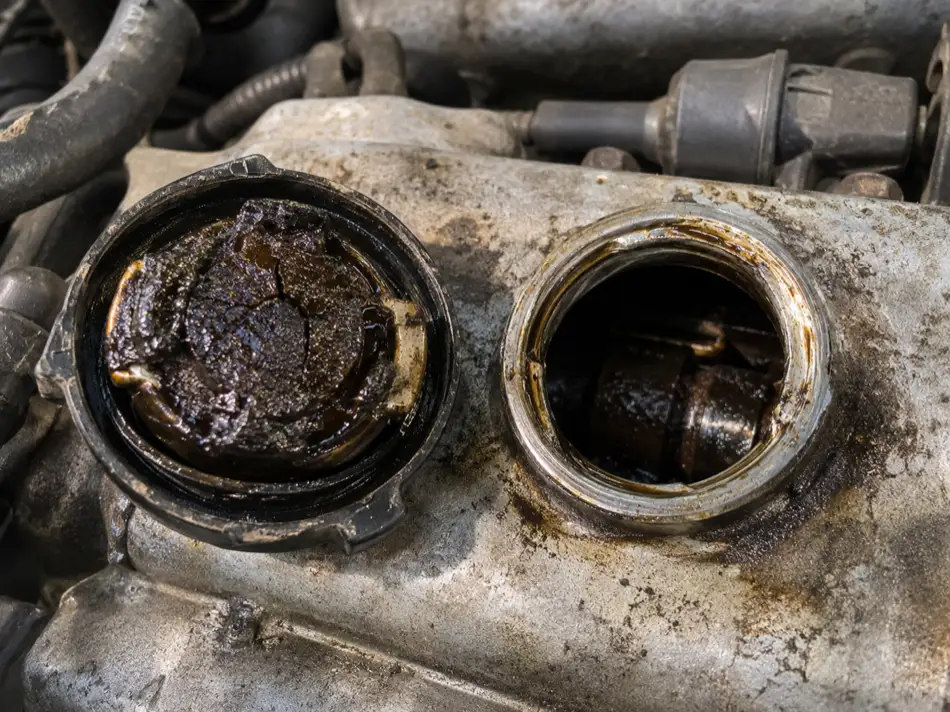
The flush additive is the overwhelming majority of what sits on the shelf. Small bottle, tipped into the spent oil just before the drain, engine idling, and after ten or fifteen minutes it all comes out together. The base is solvent, often aromatic, so it dissolves deposits fast and in a short window. TEC 2000 Engine Flush is one of these.
Flushing oil is a different beast. It is a thin, low-viscosity mineral oil that stands in for your normal engine oil for a while. The engine idles for five to fifteen minutes, the fluid picks up the muck on its detergent-dispersant package, then out it comes and the proper oil goes back in. Gentler than a solvent additive, and you meet it far less often in a workshop. Which one you pick mostly comes down to how filthy the engine is and what the fitter trusts from his own experience.
What types of flush additives are there? (chemical base)
Flush additives split by the chemical base they are built on, and that base decides how hard they work. We read through 166 safety data sheets from 118 manufacturers and sorted them by what actually sits inside. The calls about strength come from the character of the base, not from any “strength rating” on the sheet, because an SDS has no such column.
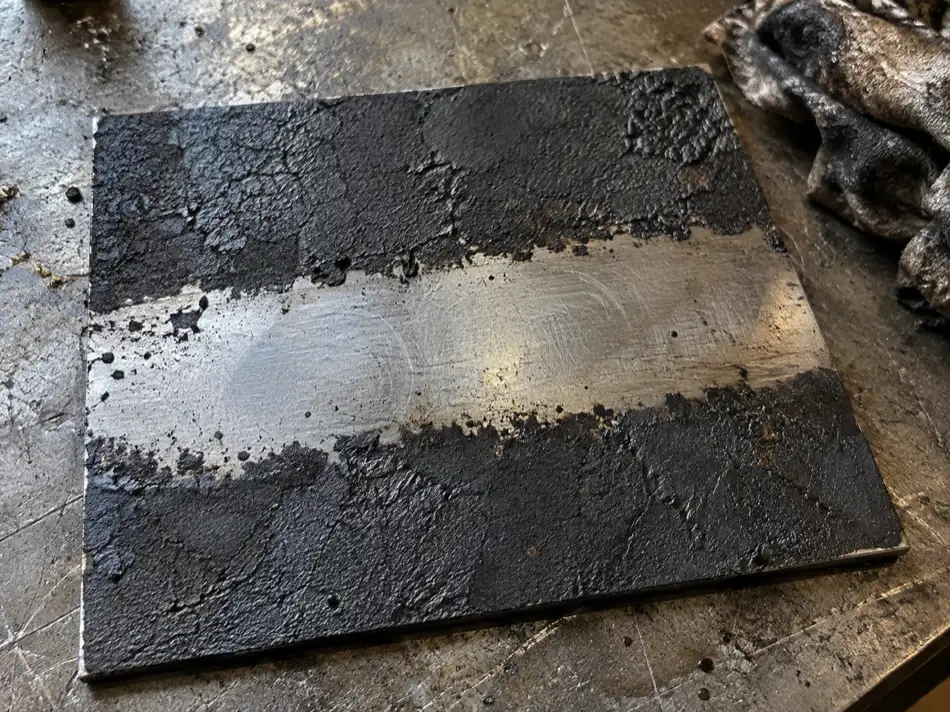
Where the plate comes from. We drop a piece of sheet steel into the oil pan and hold it there with a magnet so it builds up the same coating as the rest of the engine. Once it is out, the deposit is there in its natural state, and only then do we check what comes off.
| Chemical base | Cards like this in our database | What it means in practice |
|---|---|---|
| Aromatic (strong solvent) | 17 | Dissolves baked-on deposits aggressively, fast action in a short time |
| Kerosene-based | 19 | Cheap, but weaker and less volatile than a light solvent |
| Light aliphatic | 39 | Gentler, good for routine cleaning without a harsh solvent |
| Mixed | 40 | A compromise, properties depend on the ratio of components |
Add to that two more cards on a clearly aggressive base, plus 49 entries with no full data or left unclassified, and you can see how uneven this market is. For a driver the takeaway is simple. A light solvent, an aromatic one above all, strips hard carbon better than a heavy oil base. Kerosene as a base comes out worst on both counts, dissolving and evaporating. There is no one universal recipe, which is why it pays to skip the label and open the SDS card database to check what a given prep actually stands on.
This is where the old “it is all just kerosene” line finally dies. Some preps really are kerosene-based, a few Bardahl Engine Flush variants among them. Others sit on light aliphatics, on aromatics, or on synthetic GTL distillates. TEC 2000 Engine Flush goes its own way: an aromatic, non-chlorinated base, not a drop of kerosene. The part worth reading is Section 3 of its safety data sheet. It lists two anti-wear agents, a sulphurised olefin and ZDDP, the zinc-based one. That is on the card, not in the marketing. ZDDP is the same class of additive you find on a Liqui Moly sheet, so this flush cleans the engine and still leaves a film protecting the parts that rub against each other. The full composition, for this product and its rivals, sits in the card database linked above.
How to flush an engine step by step
A flush takes ten or fifteen minutes and comes down to four moves. You do them by the label on the actual product, every time, because the timing and the method change from brand to brand.
- Warm the engine up. Pour the flush into warm oil, the old stuff, right before you drain it. Warm oil carries the prep round the whole system better.
- Pour the additive in through the oil filler. The whole bottle, exactly as the maker states.
- Leave the engine at idle for roughly 10 to 15 minutes. No blipping the throttle, no driving, unless the label expressly allows it. That is when the prep loosens the deposits and gathers them up.
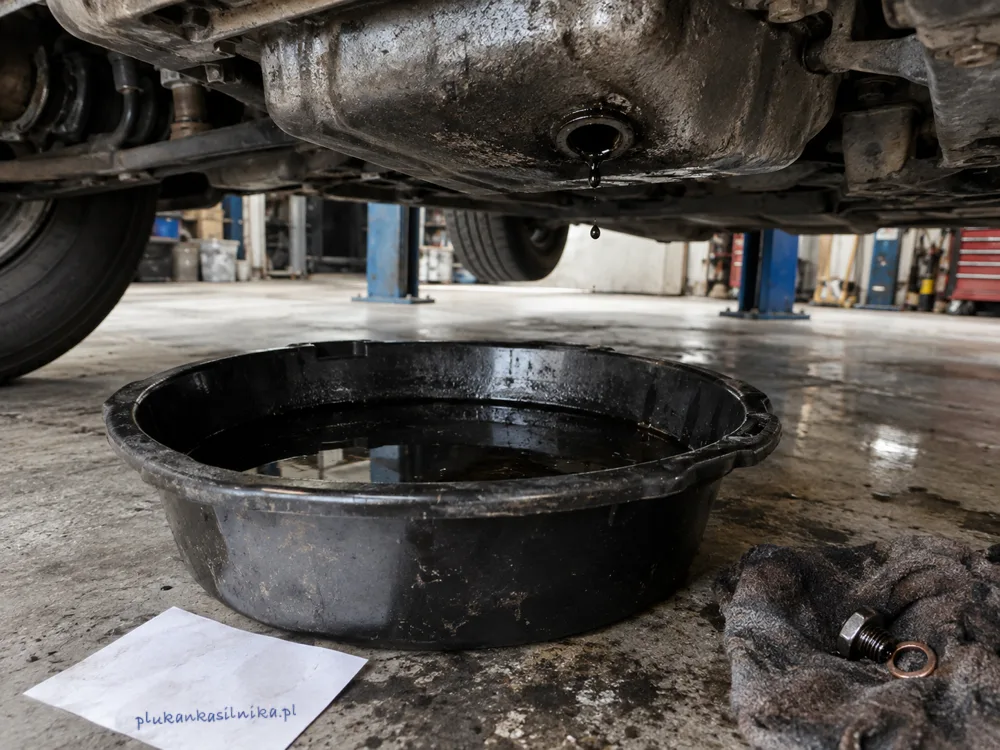
- Drain the oil while it is warm, change the filter, refill with fresh oil. You always change the filter, because that is where the collected dirt ends up.
I am not putting specific millilitres or ratios here, because you take those off the bottle, not off the internet. Worried the job might harm a high-mileage engine that has done its time? Check separately whether an engine flush is safe for an old engine, since that is the fear I hear most on older cars.
When it comes to picking a ready product and you want something tested, kerosene-free and with a documented lubricating package, one of the safe bets is a ready-made engine flush in the shop. It is the same product described above under the aromatic base.
Frequently asked questions
What is the best thing to flush an engine with?
A ready-made flush additive, or a dedicated flushing oil. Both are built for the job and both have a safety data sheet behind them. Backyard substitutes like diesel or kerosene are out: no dispersant, so they either fail to clean or do real damage.
Can you flush an engine with diesel fuel?
Not worth it. Diesel tears off the bigger chunks of carbon but will not hold them in suspension, so they end up on the oil pump pickup. A blocked screen means a pressure drop and a seizure risk within minutes. Old naturally aspirated engines sometimes get away with it, but it is not a method to rely on.
What is the difference between a flush additive and a flushing oil?
You tip a flush additive into the old oil and it works as a strong solvent for ten or fifteen minutes. A flushing oil stands in for the oil on a short run and cleans more gently, with a detergent-dispersant package. The additive is commoner and stronger, the flushing oil gentler and rarer.
Will fresh fuel clean the engine and injectors by itself?
Not the way the myth claims. What trims deposits is a detergent package, PEA for example, not the base fuel. Even a good additive only lifts part of the film, and it will not reverse mechanical wear on a nozzle or a valve.
How often should you flush an engine?
Usually at every oil change, or every other one, depending on how you drive and the state of the engine. It is also worth doing after you buy a car with an unknown service history, or after a seal failure.
Is every engine flush mostly kerosene?
No. Some preps are kerosene-based, a few Bardahl variants for instance, but others stand on light aliphatics, aromatics or synthetic distillates. TEC 2000 Engine Flush contains no kerosene at all. There is no single shared recipe, which is why you check the composition on the safety data sheet.
Is flushing an engine safe?
Yes, as long as you use the prep by the label and change the filter afterwards. The risk only turns up with backyard methods, or when someone skips the filter change, since the filter is where the loosened dirt collects.