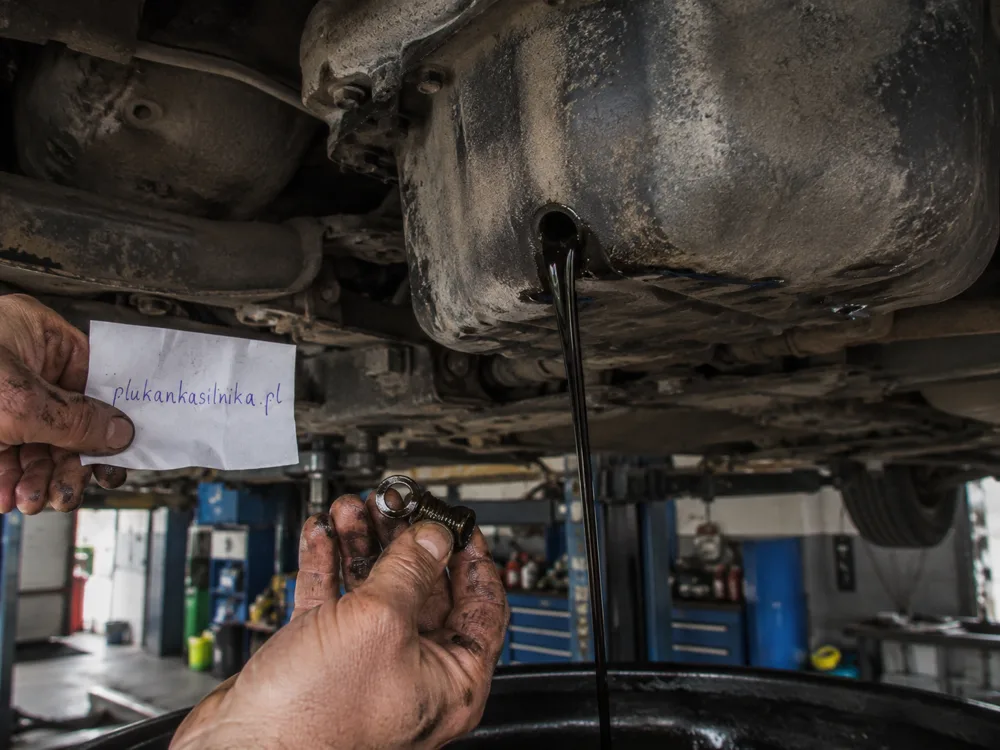
Liqui Moly Pro-Line Engine Flush comes in a 500 ml can, the regular Engine Flush in 300 ml. Every measurable figure the manufacturer publishes is the same for both. What differs is the dose: 100 ml per litre of oil against 50 ml per litre. That is why Liqui Moly Pro-Line is cheaper per millilitre […]
How to Clean LPG (Autogas) Injectors: Symptoms, Methods, Additives
An autogas car actually has two separate injector systems: the LPG (gas) injectors and the original petrol injectors. They clog for different reasons and get cleaned in completely different ways. The one thing worth burning into memory before you read on: nothing you pour into the fuel tank ever reaches the gas injectors, because gas […]
Bardahl Engine Flush - composition, review and kerosene
Bardahl Engine Flush is a short flush that you pour into the old oil a few minutes before draining it. The European version, article 1032B, the one you buy across the EU, contains kerosene at 2-10% according to its own safety data sheet. It is a solvent base: it dissolves deposits fast, but it brings […]
Engine Flush on a High-Mileage Engine: Use It or Not
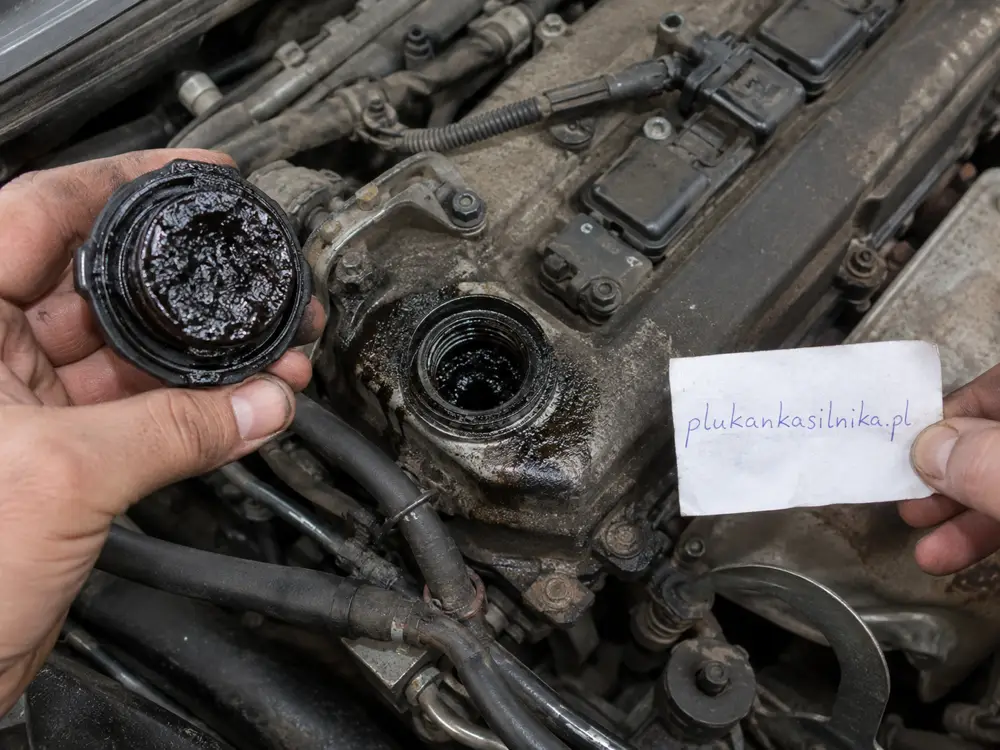
You can flush a high-mileage engine, but the chemistry you pick matters more than the flush itself. A worn engine suits a flush whose safety data sheet documents an anti-wear additive, ZDDP or sulfurized olefin, because it protects the looser friction pairs during the short, controlled flush before an oil change. Unknown history or wear […]
TEC 2000 or Liqui Moly for diesel injectors? An honest, SDS-based comparison
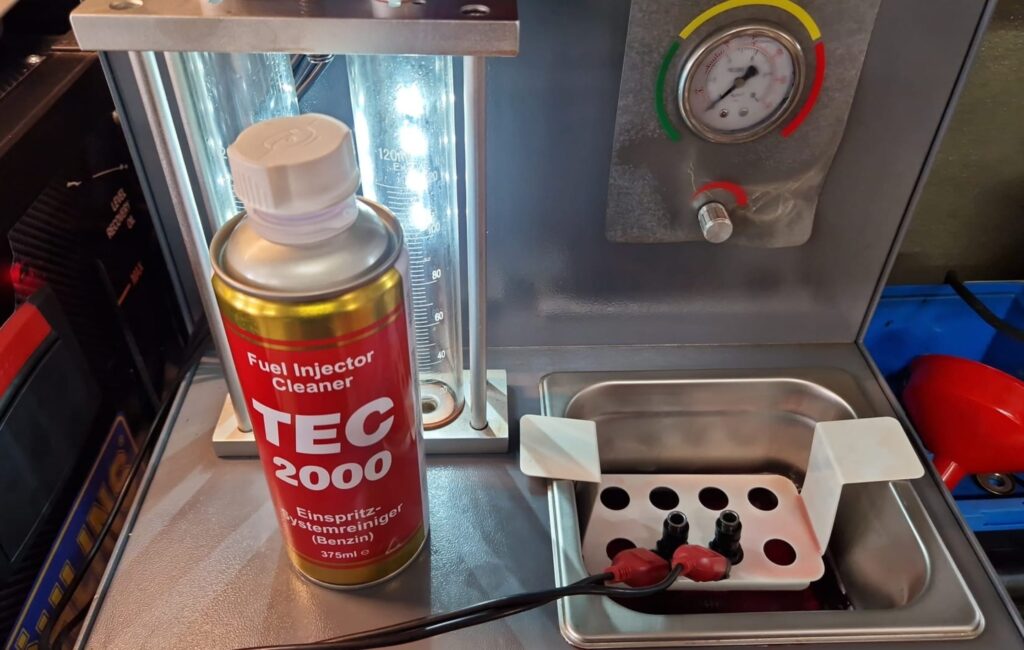
In short: both TEC 2000 and Liqui Moly sell several injector products, so the right pick depends on your fuel and the method. TEC 2000 has strong through-the-tank cleaners (Diesel System Cleaner, Fuel System Cleaner) and gentler service concentrates fed from the can (Diesel Injector Cleaner, Fuel Injector Cleaner). Liqui Moly’s petrol tank additive Jectron […]
Engine Oil Flush vs Fuel Injector Cleaner: Which Do You Need?
They’re not interchangeable, and one won’t do the other’s job. An engine oil flush goes into warm, used oil right before you drain it, and cleans the lubrication side. A fuel injector cleaner goes in the tank, rides along with the fuel, and lifts deposits off the injectors. Which one you need depends on what’s […]
Motul vs Mannol Engine Flush: Compared by SDS Data
Short answer: Motul runs on a light hydrocarbon solvent. It bites into deposits harder, so it’s the bottle for a neglected engine with stubborn sludge. Mannol 9900 sits on an oil-and-paraffin base - gentler, the lowest hazard profile of the two, better for an older engine with tired seals. The base tells you which one: […]
Wynn’s Oil System Cleaner vs Bardahl Engine Flush: Which Is Stronger?
The chemically stronger flush is Wynn’s Oil System Cleaner: a hydrocarbon base at least 50% (≥50%), plus 10-15% aromatic fraction and 2.5-5% of an amide surfactant that genuinely emulsifies sludge. Bardahl Engine Flush works more gently, on a pure-solvent basis - aliphatics with kerosine and a glycol ether. For older, high-mileage engines, Bardahl is often […]
Motul vs Castrol Engine Flush: Which Is Stronger? (by SDS)
Motul is the stronger deposit-dissolver of the two. Its base is a light C10-C13 aliphatic hydrocarbon - in plain terms, a solvent. Castrol works more gently: 75-90% of it is paraffinic mineral oil, plus a trace (≤0.3%) molybdenum additive. A badly sludged but otherwise healthy engine leans toward Motul. A high-mileage engine, or one whose […]
Liqui Moly 2640 vs K2 Motor Flush T371: Which Engine Flush?
K2 Motor Flush T371 is the more aggressive flush - its declared base is an aromatic solvent (reaction mass of ethylbenzene and xylenes) at below 70%, with no protective additive. Liqui Moly Engine Flush 2640 is gentler: an aliphatic base plus anti-wear ZDDP. At high mileage, though, it is not the base family that decides […]