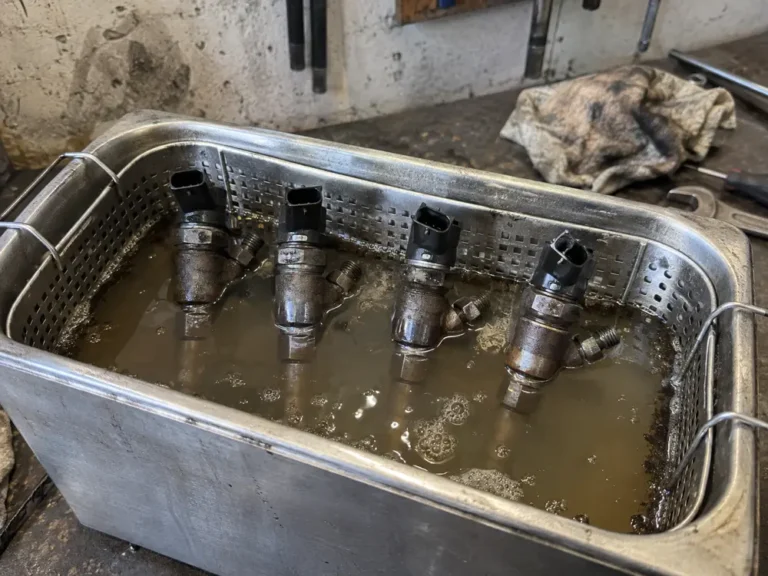
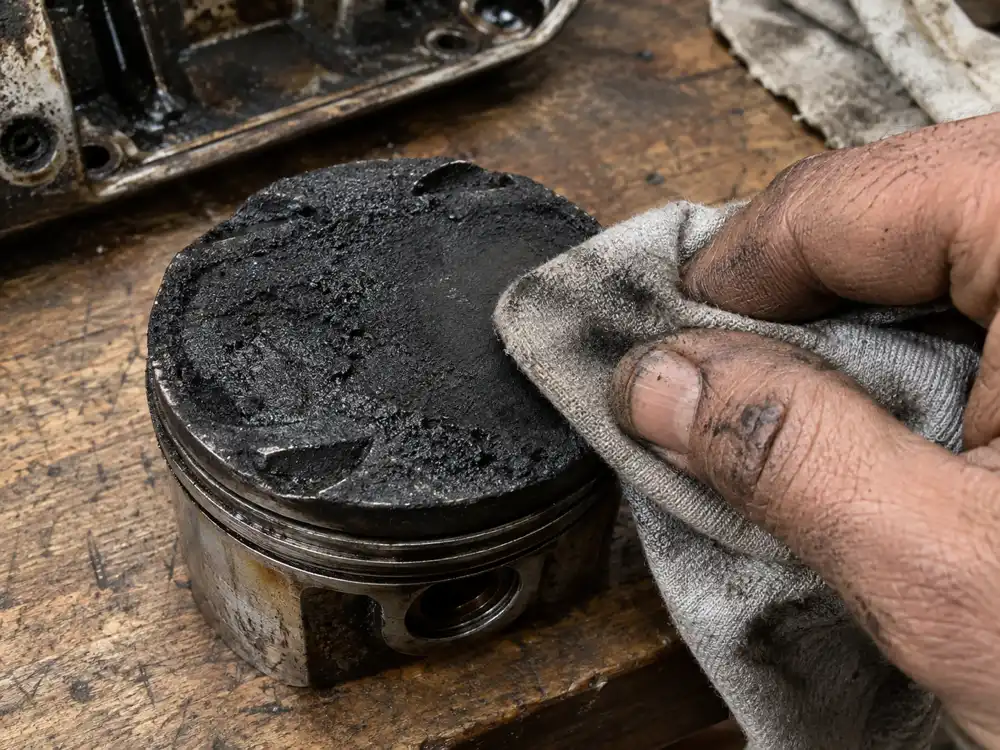
Answer: Whether a flush cleans or just coats comes down to one thing: how hard its base solvent dissolves deposits. That is what the kauri-butanol value measures (KB, ASTM D1133). Light aliphatic flushes are gentle because they are weak - KB around 30. An aromatic base sits near KB 105 and cuts varnish roughly three […]
Flush
Engine oil flushes, injector cleaning and SDS-based analysis. Facts, not marketing.
Guides
Liqui Moly 2640 vs Liqui Moly 2427 Pro-Line Engine Flush - Which to Choose and What Differs
Liqui Moly Pro-Line Engine Flush comes in a 500 ml can, the regular Engine Flush in 300 ml. Every measurable figure the manufacturer publishes is the…
Does an Engine Flush Actually Clean, or Just Coat?
Symptoms of Bad or Clogged Diesel Injectors
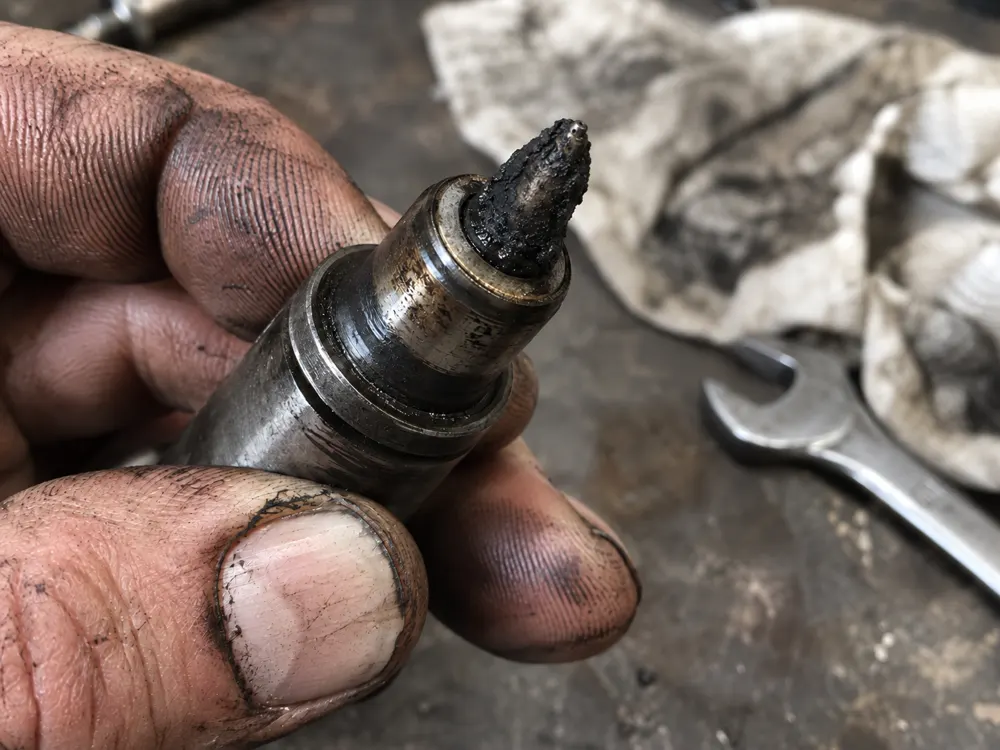
Answer capsule: Bad or clogged diesel injectors cause seven telltale symptoms: hard cold starts, black or white exhaust smoke, rough idle and misfire, higher fuel consumption, a check-engine light, a sharp diesel “knock,” and a raw fuel smell. Carbon deposits often respond to a quality PEA cleaner; mechanical injector failure does not and requires reconditioning […]
Engine Oil Coking - Symptoms, Causes and How to Remove It
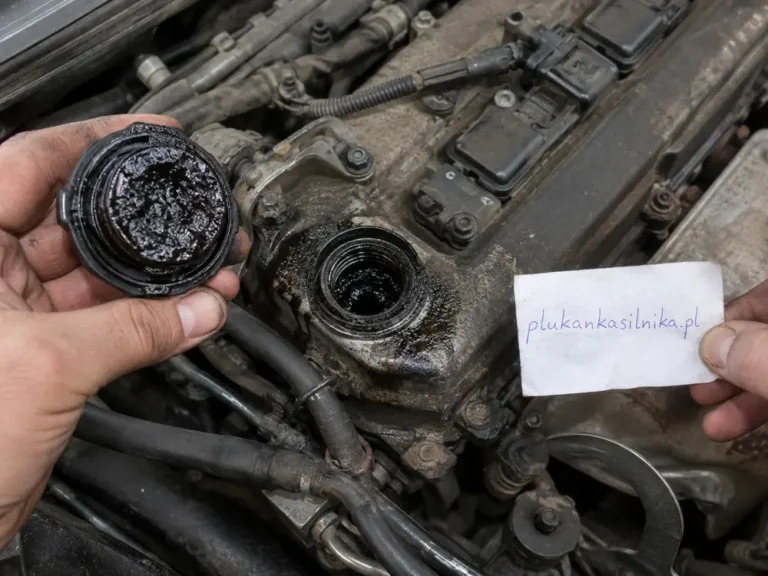
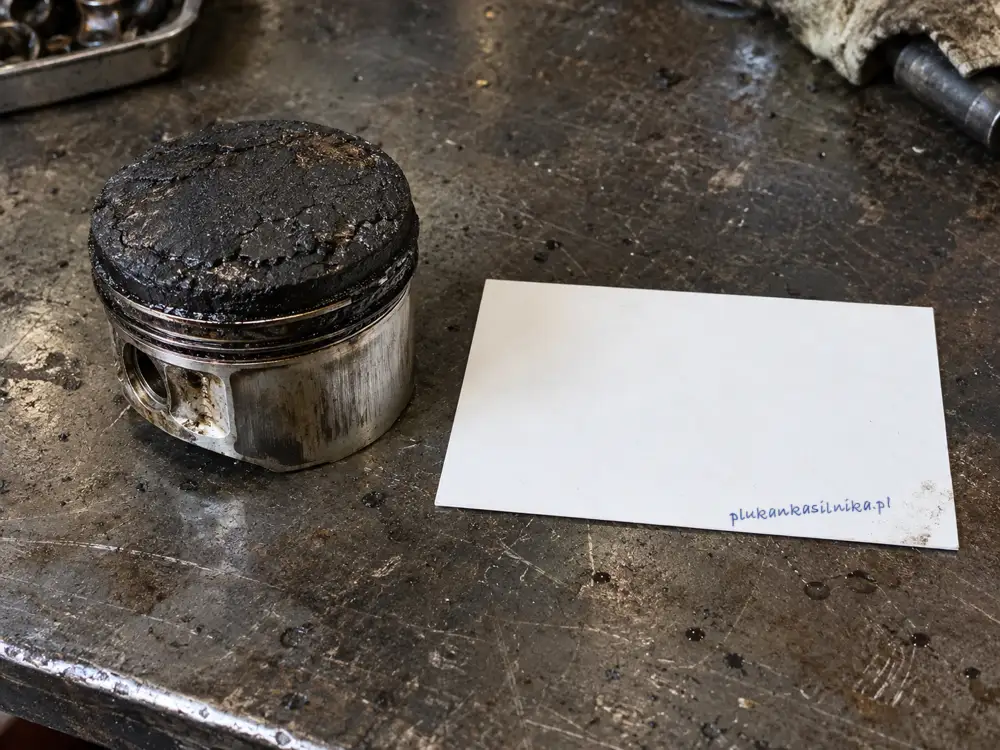
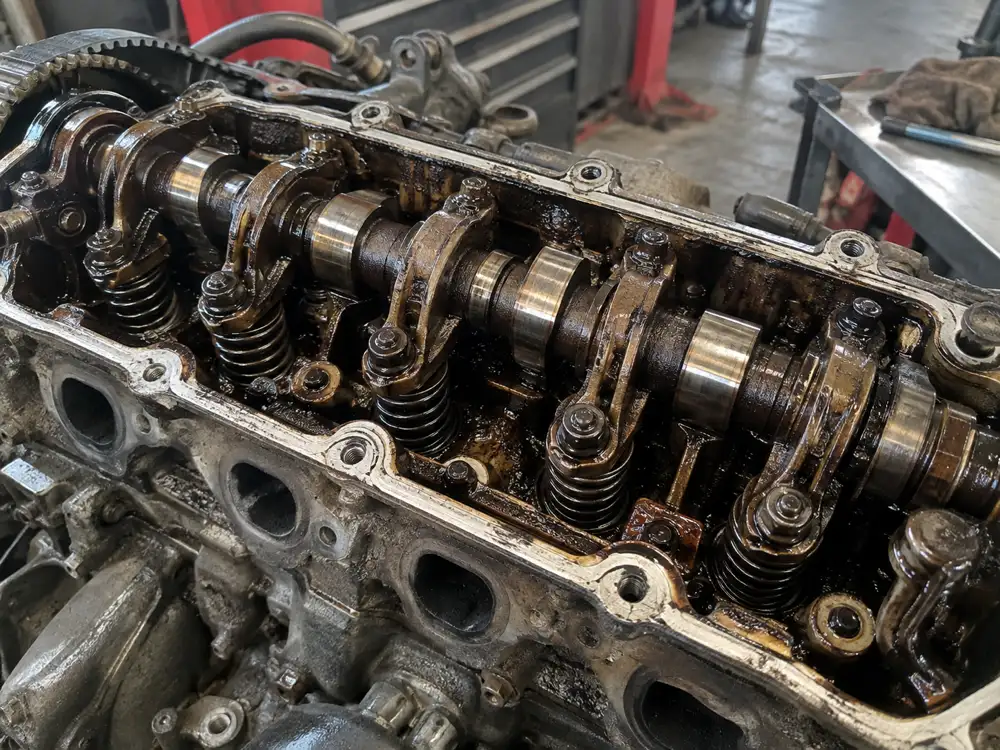
Engine oil coking is the baked-on hardening of motor oil into carbon sludge and lacquer when it overheats in hot zones like the turbo bearing and piston rings. It is caused by extreme heat, oxidized oil, and missed oil changes. The proven fix is a chemical engine flush run for about 10 minutes on a […]
Will an Engine Flush Cause Leaks? Myths vs Facts
A correctly chosen engine flush will not cause leaks. The modern gentle ones carry lubricant alongside the solvent, so they are safe for seals. Leaks turn up in one situation only: a harsh kerosene product pulls sludge off a seal that had already gone hard and cracked on a high-mileage engine. The flush shows you […]