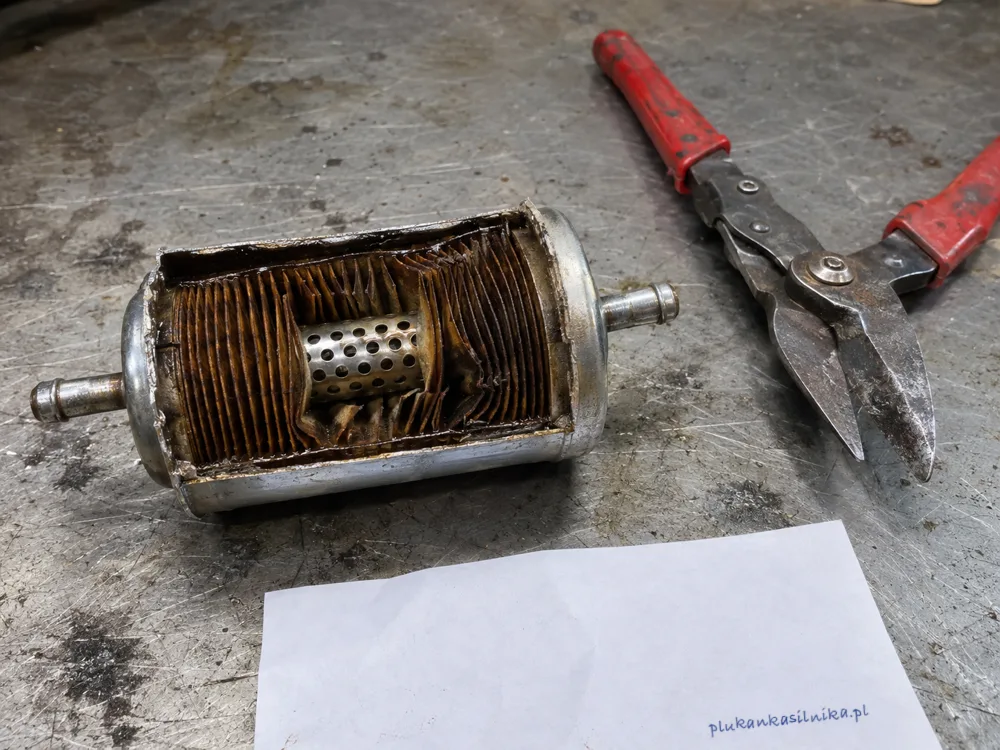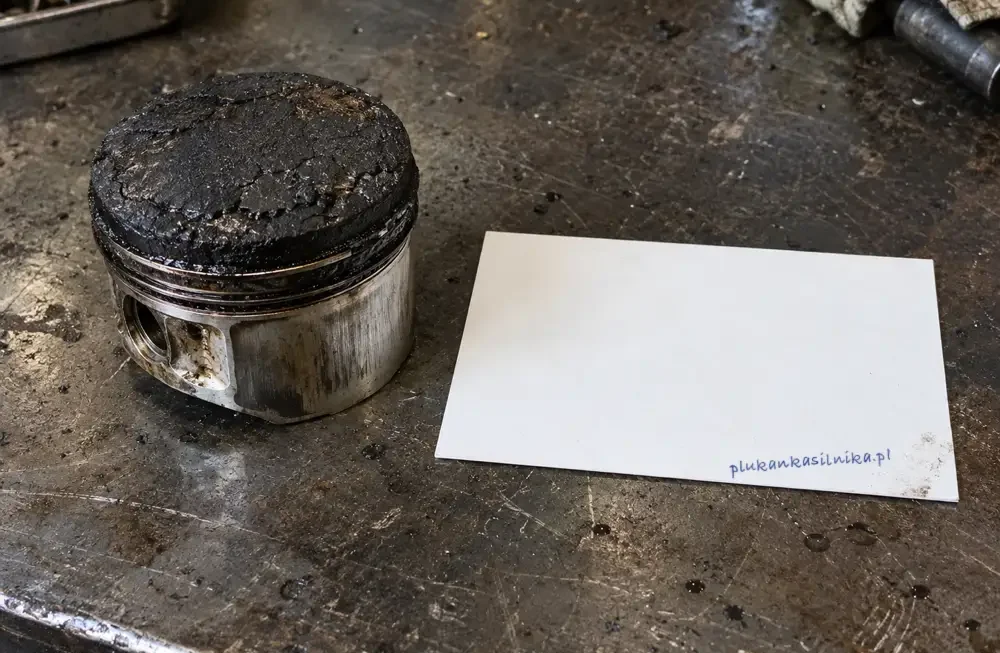
Engine oil coking is the baked-on hardening of motor oil into carbon sludge and lacquer when it overheats in hot zones like the turbo bearing and piston rings. It is caused by extreme heat, oxidized oil, and missed oil changes. The proven fix is a chemical engine flush run for about 10 minutes on a warm engine immediately before draining the old oil.
What is engine oil coking and carbon sludge?
Coking is the thermal breakdown of engine oil into hard carbon deposits. When oil sits against surfaces hotter than roughly 200°C - turbocharger center bearings, the underside of piston crowns, the upper ring lands - the lighter fractions burn off and the heavy fraction polymerizes into varnish, then bakes into brittle black carbon. This is a chemical change, not just dirt: the oil is cooked, and no amount of fresh oil will dissolve coke that has already set hard.
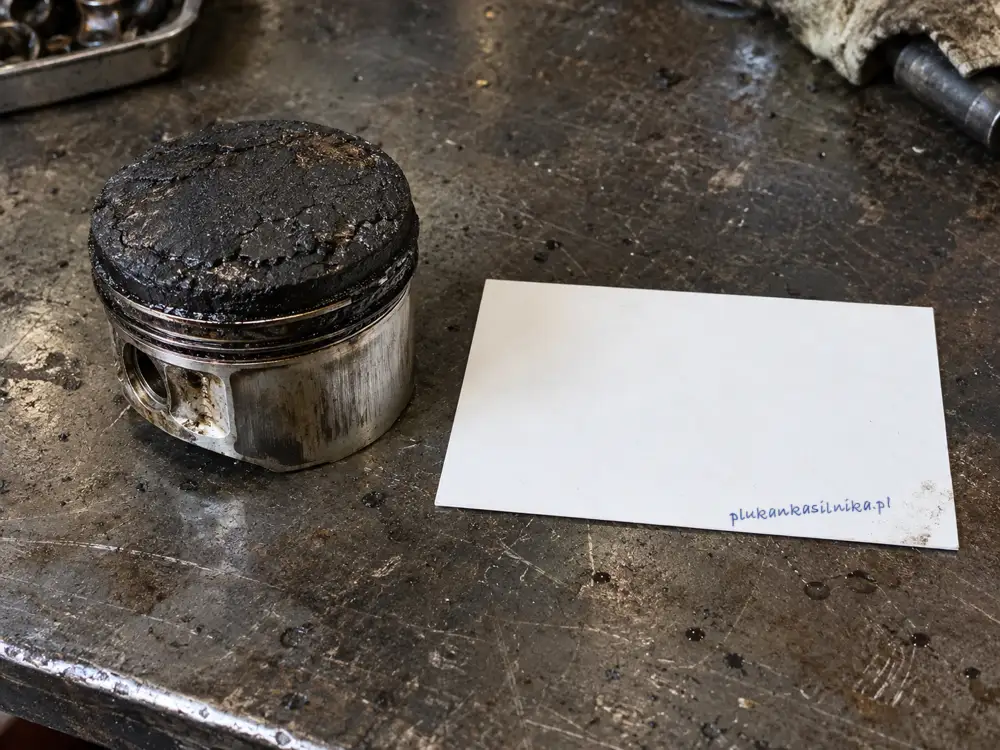
Carbon sludge is the cooler-running cousin. It forms when oxidized oil, fuel dilution, condensation, and combustion soot emulsify into a thick tar that settles in the oil pan, blocks the pickup screen, and gums up the rings and oil control passages. Coking and sludge usually arrive together, and both choke off oil flow exactly where the engine needs it most.
What are the symptoms of oil coking?
The first reliable symptom is rising oil consumption with no external leaks. Coked rings lose tension and let oil slip past into the combustion chamber. Watch for these signs, roughly in the order they appear:
- Oil consumption climbing - topping up between changes, faint blue smoke on cold start or hard acceleration.
- Turbo whine or lag - coke in the center bearing oil feed starves the turbo; a coked turbo is a common, expensive failure.
- Ticking or tappet noise at startup - sludge blocks oil galleries and hydraulic lifters/VVT solenoids run dry for a few seconds.
- Oil pressure warning at idle - a partially clogged pickup screen drops pressure when the pump turns slowly.
- Sticky rings and lost compression - rougher idle, weaker pull, slightly worse fuel economy.
- Black, gritty residue under the oil cap or on the dipstick - tar-like film instead of clean amber oil.
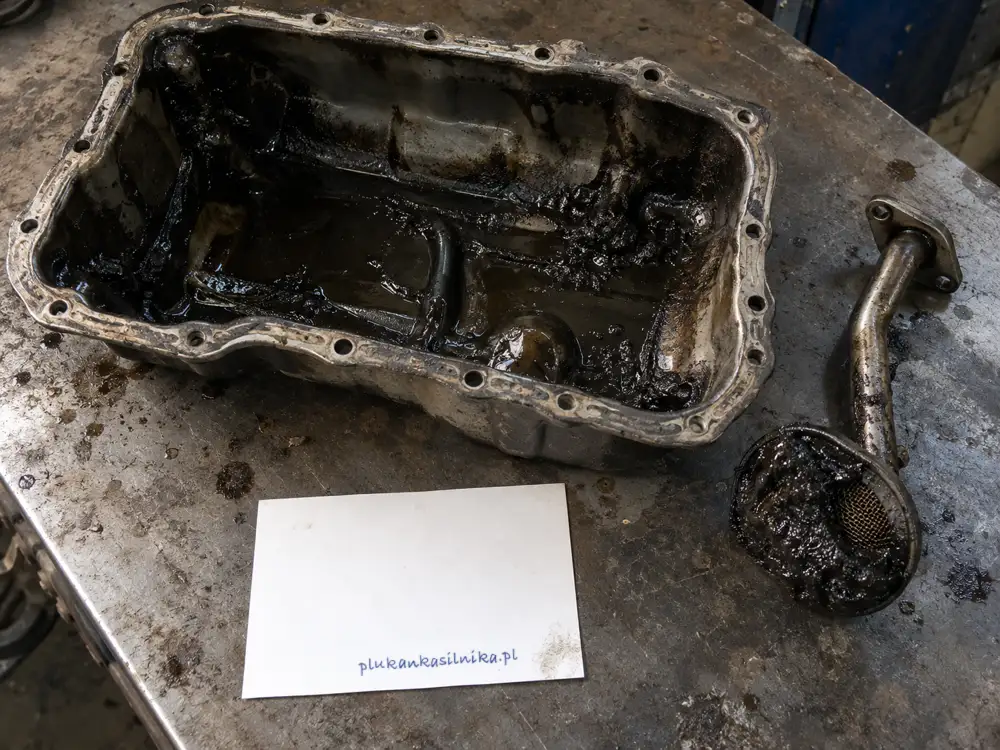
If you pull the oil cap and see a baked brown-black crust around the filler neck or on the camshaft, the engine already has a coking problem and the next oil change should include a flush.
What causes engine oil coking?
Heat plus time plus the wrong oil. Here are the dominant causes:
- Turbo heat soak. After a hard drive, shutting the engine off immediately leaves oil trapped in a 300°C+ turbo bearing with no flow to carry the heat away. It cokes on the spot. Modern turbo engines are the most affected.
- Extended or skipped oil changes. Additives deplete, the oil oxidizes, total base number falls, and sludge accelerates. Long-life intervals on short city trips are a classic trap.
- Short trips and stop-start city driving. The oil never reaches full temperature, so fuel and water never boil off - they stay and form sludge.
- Wrong or low-quality oil. A cheap mineral oil or the wrong viscosity oxidizes far faster than a proper full-synthetic that meets the manufacturer’s specification.
- Overheating and coolant or fuel dilution. A leaking gasket, a sticking thermostat, or a rich-running engine all push oil past its thermal and chemical limits.
- Excessive idling and severe-duty use. Towing, mountain driving, and long idling all add heat and contamination.
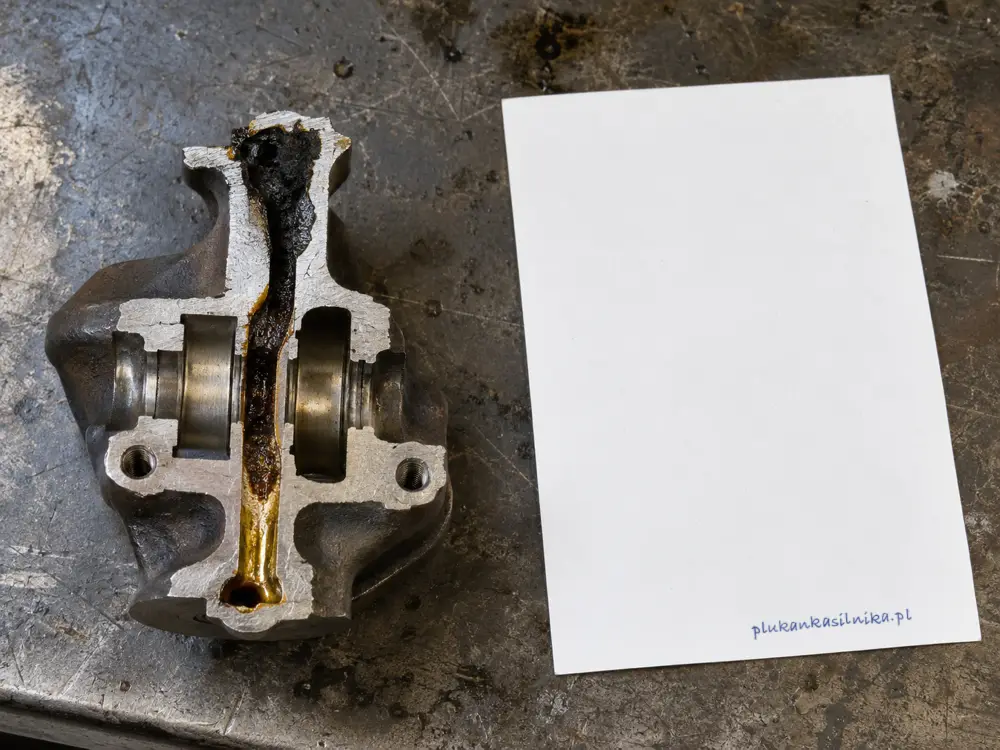
Cause, symptom and prevention at a glance
| Cause | Typical symptom | Prevention |
|---|---|---|
| Turbo heat soak (immediate shutdown after hard driving) | Turbo whine/lag, blue smoke, oil in intercooler piping | Idle 1-2 min before shutoff; use spec full-synthetic; flush at each oil change |
| Extended or skipped oil-change intervals | Black tar under oil cap, rising consumption, low oil pressure | Change oil every 10,000-15,000 km (or per manual); halve it for severe use |
| Short trips / cold city driving | Mayonnaise-like sludge, startup ticking, fuel smell in oil | Run the engine to full temperature regularly; shorten the interval |
| Wrong or low-quality oil | Fast oxidation, lacquer on cam and rings, sticky lifters | Use oil meeting the OEM spec (ACEA/API and the maker’s approval) |
| Overheating / coolant or fuel dilution | Sudden sludge, milky oil, oil-level rise, rough running | Fix the root fault first; never just flush over a leak |
How do you remove oil coking with an engine flush?
The correct way to remove fresh sludge and loosen coke is a chemical engine flush run before the oil change, not as a replacement for it. A flush like TEC 2000 Engine Flush is a solvent-and-lubricant blend that dissolves the soft sludge and varnish so it drains out with the old oil instead of staying baked onto your internals.
What a good flush actually is matters. TEC 2000 Engine Flush contains no kerosene or naphtha - it is built from two solvents and two lubricating agents on a chlorine-free hydrocarbon base, so it cleans aggressively while still being safe for seals and gaskets. Cheap kerosene-based “flushes” thin the oil dangerously and can attack rubber; that is exactly what you want to avoid.
Step-by-step: engine flush before an oil change
- Warm the engine. Bring it to normal operating temperature so the oil is thin and the solvent disperses fully. Then switch it off.
- Pour the flush into the oil filler with the old oil still in the sump. One bottle treats a typical 4-5 litre sump - check the label dose.
- Idle for about 10 minutes. Let it run at idle only - do not rev hard and do not drive. The circulating solvent lifts sludge off the rings, galleries, and pan.
- Drain the old oil immediately while it is hot and carrying the dissolved sludge out with it. Let it drain fully.
- Replace the oil filter - always, with every flush. The filter traps loosened debris and must be new.
- Refill with fresh oil to the manufacturer’s spec and run the engine briefly to check pressure and for leaks.
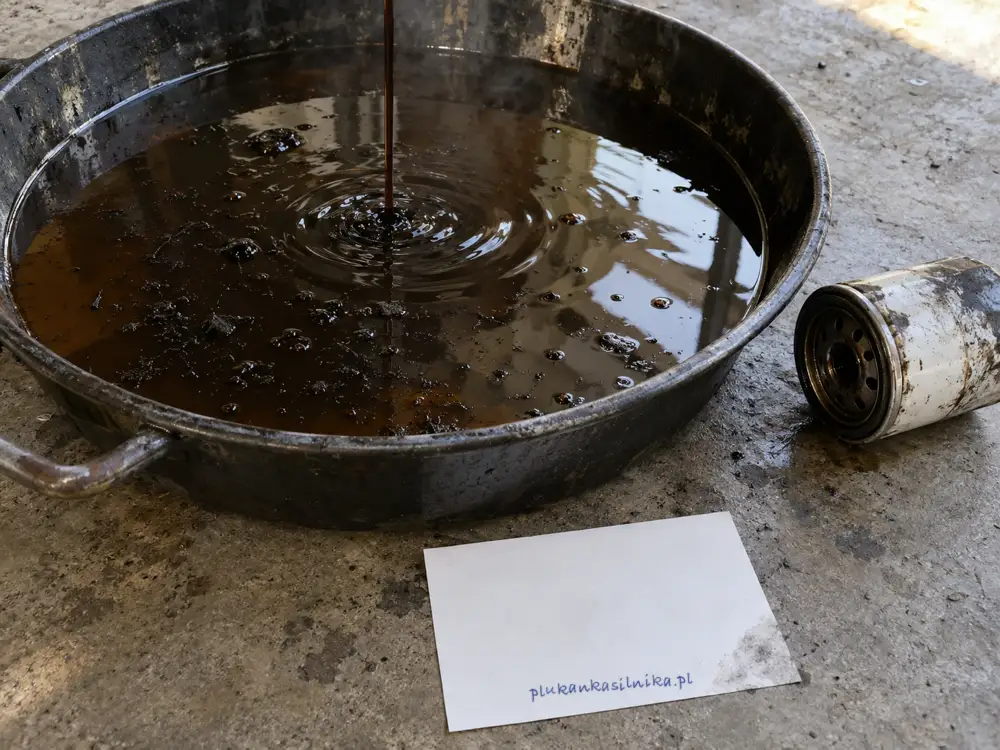
For badly coked engines that have gone many intervals without service, run the flush over two consecutive oil changes rather than chasing it all at once - dumping decades of hardened coke loose in one go can clog the pickup. If you want to see how products stack up on base chemistry and seal safety, this engine flush comparison breaks it down, and the full safety data sheets document the exact handling and composition.
One honest limit: a flush removes deposits. It cannot fix mechanical wear. If a turbo is already scored or a fuel injector is physically worn, no chemical reverses that - that needs regeneration or replacement. For mild fuel-side deposits, a separate in-tank product such as TEC 2000 Diesel Injector Cleaner is the right tool; an oil-system flush and an in-tank cleaner do different jobs.
How do you prevent oil coking in the future?
Prevention is cheaper than a turbo. Stick to the manufacturer’s oil-change interval - and halve it if you do short trips, tow, or sit in traffic. Use a full-synthetic oil that actually meets your engine’s approval, not just the right viscosity. On any turbocharged engine, let it idle a minute or two after a hard run so the bearing oil keeps flowing and shedding heat before shutdown. Get the engine to full operating temperature regularly to boil off fuel and water. Fix overheating, coolant leaks, and rich-running faults promptly - they cook oil fast. And make a chemical flush a routine part of every oil change so soft sludge never gets the chance to bake into hard coke.
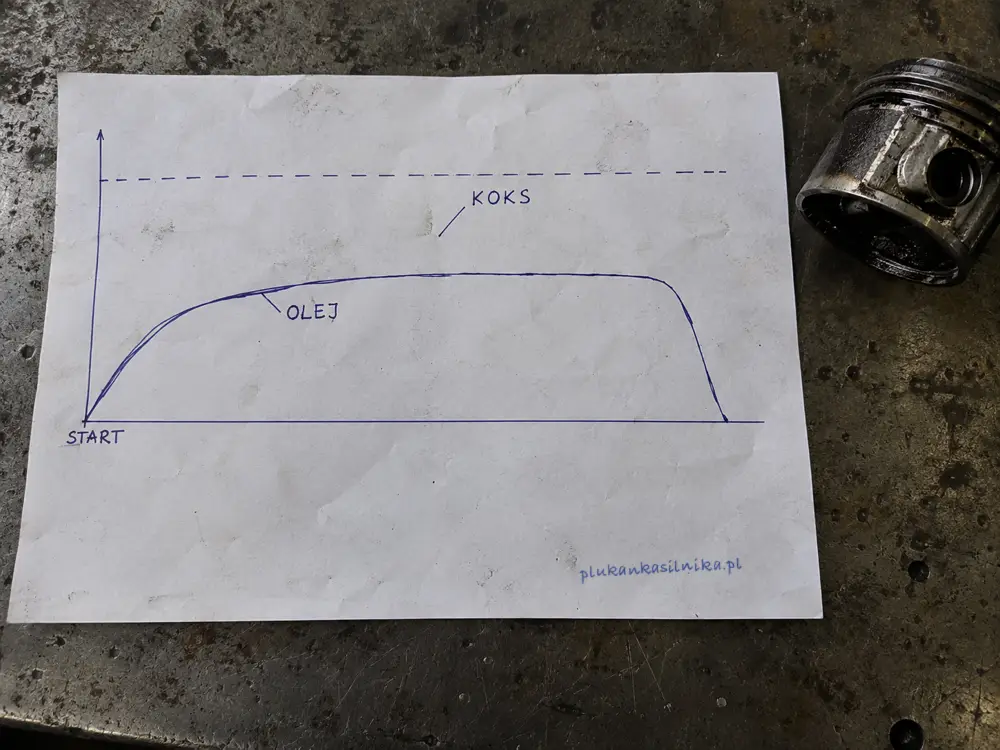
Beware the biggest myth in this whole topic: there is no “self-cleaning” engine oil. Detergent additives suspend soot so the filter and drain can carry it away - they do not scrub off deposits that have already hardened. Likewise, fuel does not “wash” your engine clean. (Dedicated PEA additives genuinely reduce injector deposits, but that is a fuel-side effect, not oil-side cleaning.) Fresh oil keeps a clean engine clean; it will not rescue one that is already coked. Only a proper flush plus disciplined maintenance does that.