Answer capsule: Bad or clogged diesel injectors cause seven telltale symptoms: hard cold starts, black or white exhaust smoke, rough idle and misfire, higher fuel consumption, a check-engine light, a sharp diesel “knock,” and a raw fuel smell. Carbon deposits often respond to a quality PEA cleaner; mechanical injector failure does not and requires reconditioning or replacement.
What are the symptoms of bad or clogged diesel injectors?
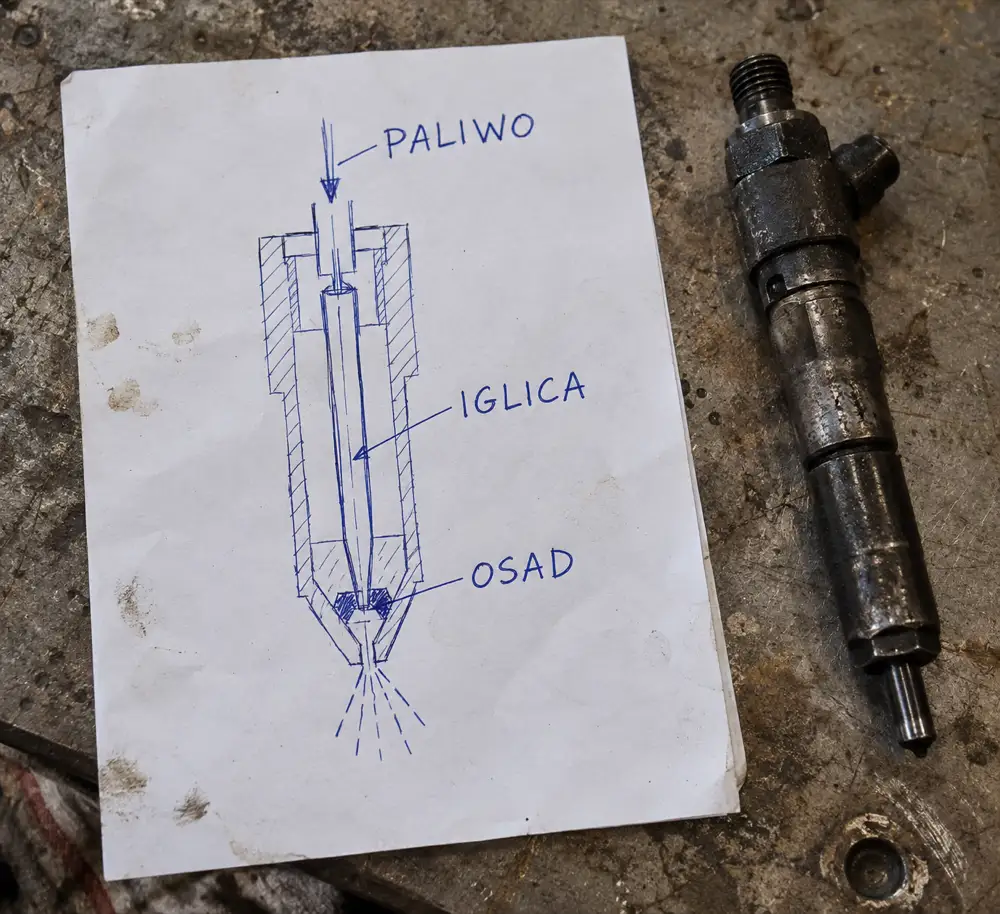
The clearest signs are hard cold starting, abnormal exhaust smoke, an uneven idle that shakes the car, and a noticeable jump in fuel use. Injectors are the most precision-machined parts in a diesel engine, spraying fuel through nozzle holes the width of a human hair at pressures of 1,600 to 2,500 bar in modern common-rail systems. When those holes coke up with carbon or a needle starts to stick, atomization collapses and combustion turns ragged. Here is what you actually feel and hear from the driver’s seat.
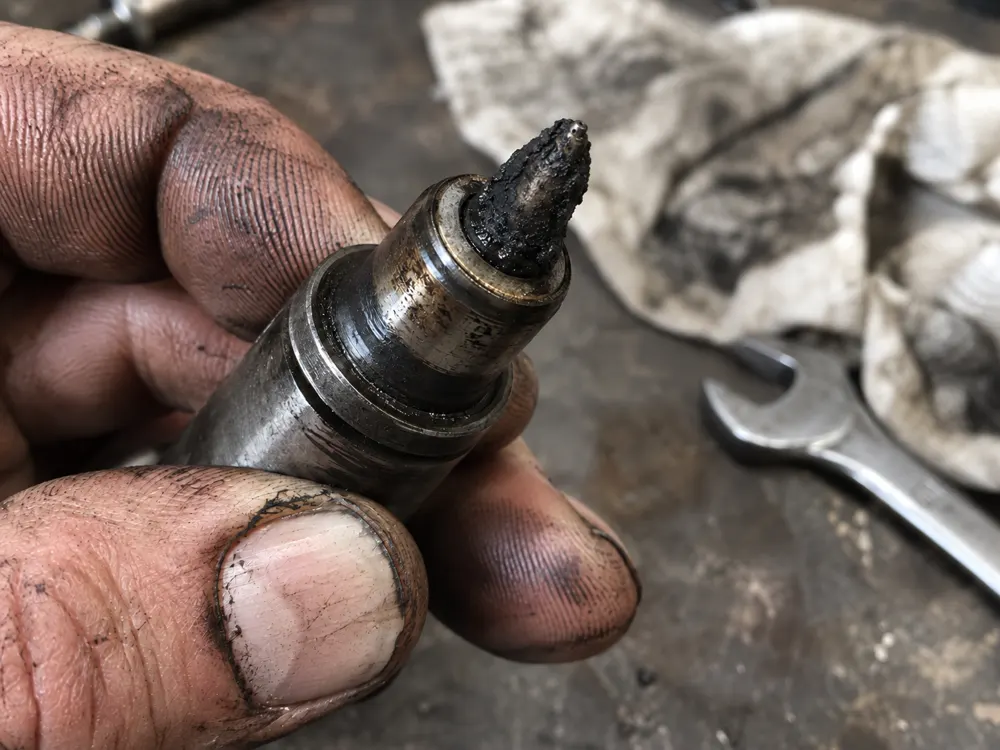
Hard cold start
A worn or leaking injector lets rail pressure bleed off overnight, so the engine cranks longer before it fires. If you regularly count three to five seconds of cranking on a cold morning that used to start in one, suspect injector leak-off or a failing nozzle before you blame the battery or glow plugs.
Black or white exhaust smoke
Black smoke is unburned fuel - an injector dumping too much or spraying a poor pattern, so the diesel never fully combusts. White or grey smoke (when not just cold-start condensation) points to fuel that is entering the cylinder but not igniting properly, often a dribbling injector or low injection pressure. Blue smoke is oil and a different problem entirely.
Rough idle and misfire
At idle the engine is most sensitive to fuelling errors because each injection is tiny. A clogged or sticking injector delivers an inconsistent shot, one cylinder contributes less, and the engine hunts, shakes, or stumbles. Many ECUs log this as a cylinder-balance or misfire fault.
Higher fuel consumption
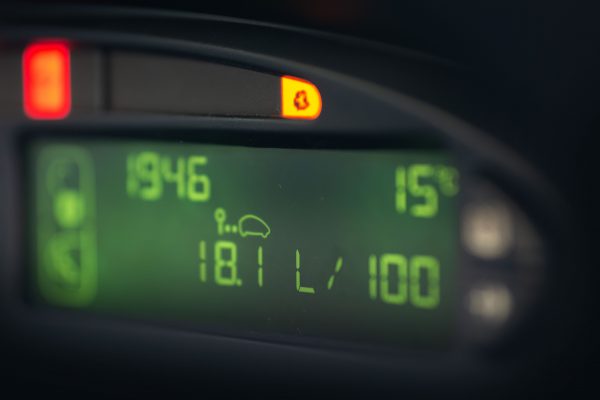
A worn injector that over-fuels, or one with a degraded spray pattern, forces the engine to burn more diesel for the same work. A 10 to 20 percent rise in consumption with no change in driving style is a strong injector or fuelling flag.
Check-engine light and stored codes
Common-rail ECUs monitor each cylinder constantly. Injector-related faults frequently surface as P0201-P0204 (cylinder circuit), P1xxx fuel-trim codes, or rail-pressure deviation codes. The light alone does not name the cylinder, but the stored data usually does.
Diesel knock or injector knock
A sharp metallic rattle or “nailing” that gets louder under load can mean injection timing is off because a nozzle is opening late or spraying badly. This uncontrolled, late combustion stresses pistons and bearings and should not be ignored.
Raw fuel smell
A persistent diesel smell at the exhaust or around the engine bay signals unburned fuel - typically an over-fuelling or leaking injector. Combined with black smoke, it strongly indicates an injector problem rather than an air or sensor fault.
What causes diesel injectors to clog or fail?
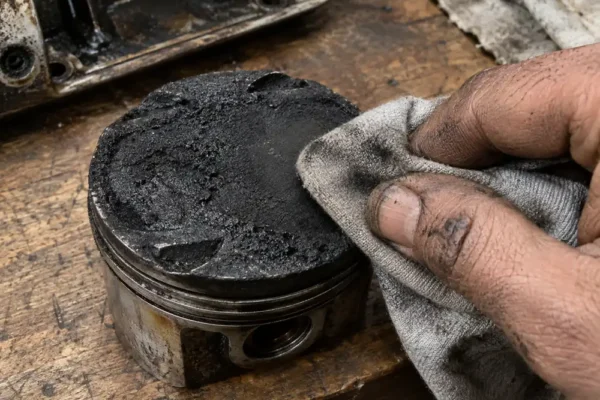
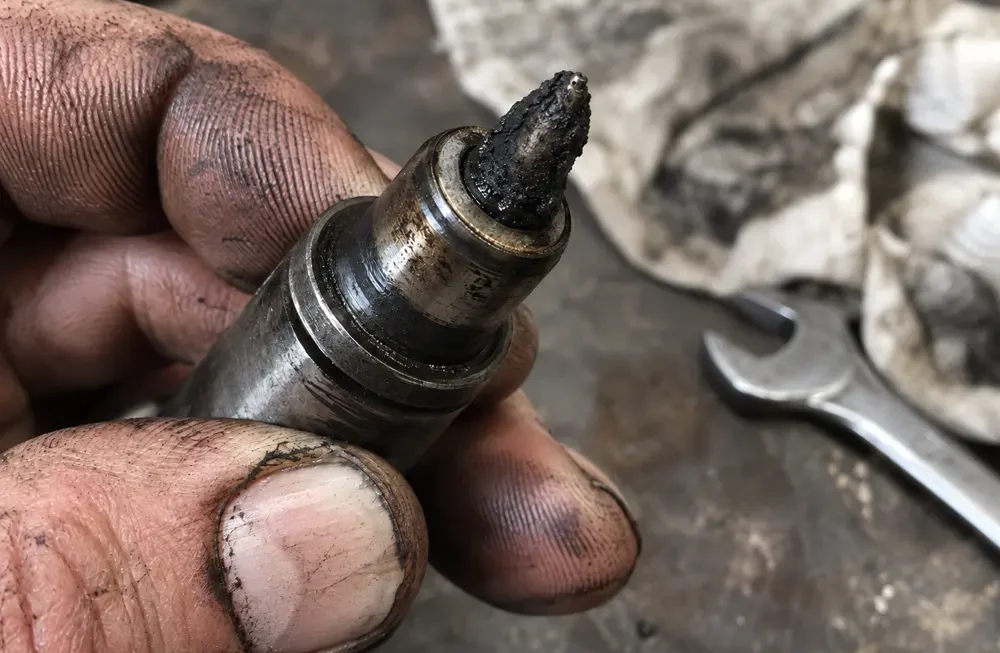
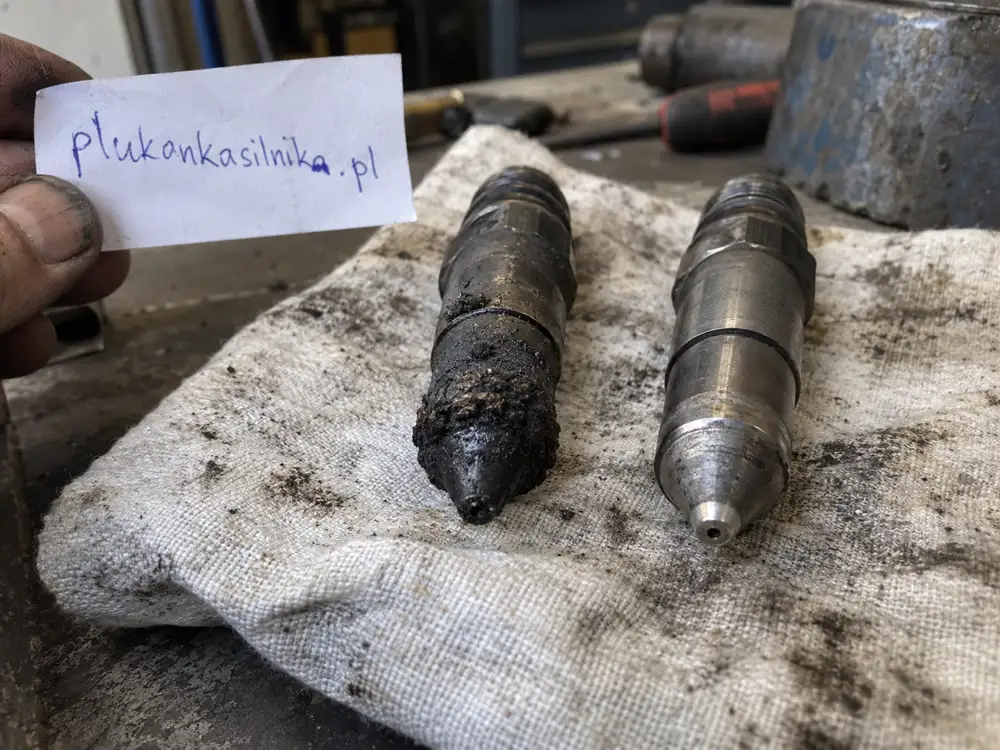
Two completely different mechanisms produce overlapping symptoms, and telling them apart decides whether a cheap fix will work. The first is deposits: carbon, varnish, and “internal diesel injector deposits” (IDID) build up on nozzle tips and needles, especially with short trips, frequent idling, low-quality fuel, or biodiesel (FAME) blends that age and oxidize. The second is mechanical wear: eroded nozzle seats, a scored needle, a worn piezo or solenoid actuator, or a cracked body. PIMOT and other fuel-research bodies are clear that diesel does not “clean” injectors on its own - and that FAME-blended fuel degrades over time rather than scrubbing anything. Deposits can be dissolved; worn metal cannot be regrown.
| Symptom | Likely cause | Recommended action |
|---|---|---|
| Hard cold start, long cranking | Leak-off / nozzle not sealing, or early deposits | Leak-off test; if deposits, run a PEA cleaner; if leaking, recondition |
| Black smoke + raw fuel smell | Over-fuelling or poor spray pattern | OBD2 correction values; clean if deposit-related, replace if mechanical |
| White/grey smoke (warm engine) | Dribbling injector / low injection pressure | Return-flow test + rail-pressure check; likely reconditioning |
| Rough idle / single-cylinder misfire | One clogged or sticking injector | Read per-cylinder correction; PEA cleaner first if mild, else replace |
| Fuel use up 10-20% | Worn injector over-fuelling | Diagnose flow; mechanical wear needs replacement, not additive |
| Injector knock / metallic rattle under load | Late opening / bad atomization | Flow-bench test; reconditioning or replacement |
| Check-engine light, P0201-P0204 | Electrical or fuelling fault on a cylinder | Full scan with live data before any parts are bought |
How do you diagnose a bad diesel injector?
Diagnose with three tests before you spend money: a return/leak-off test, OBD2 injector correction values, and a compression check to rule out the engine itself. Skipping diagnosis is how people throw an additive at a cracked nozzle, or buy a 1,800 PLN injector to cure a deposit problem a bottle would have fixed.
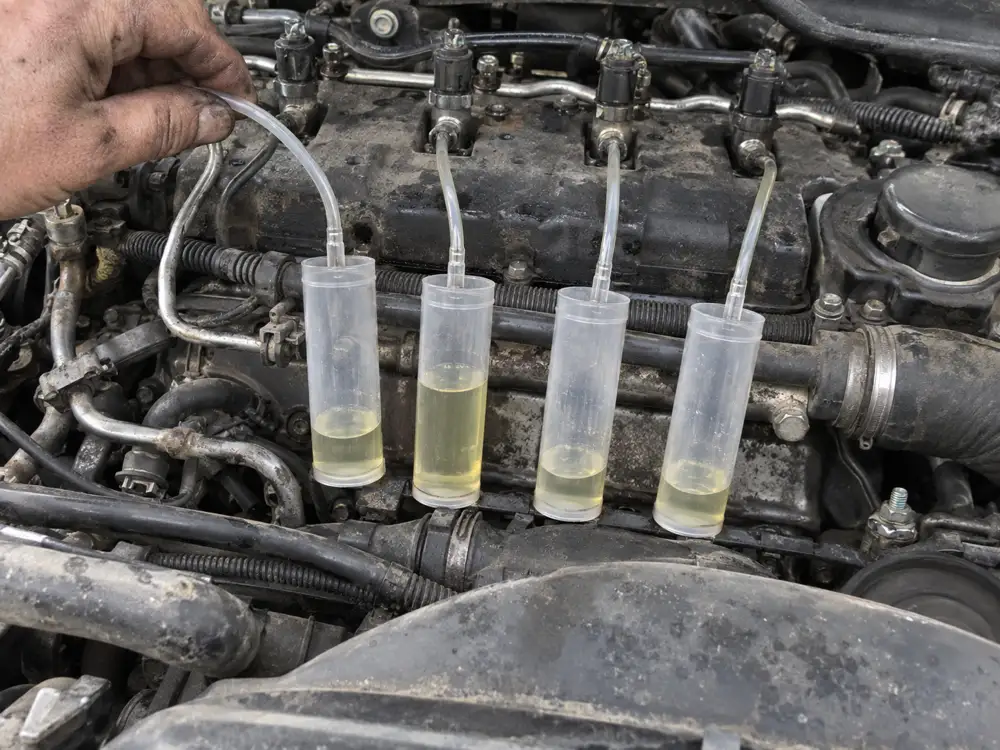
Return-flow (leak-off) test
Connect clear tubes or graduated cylinders to the injector return lines and run the engine. Each injector should return roughly the same small volume. An injector that returns far more is bleeding internally - a sign of wear, not deposits. This is the single most diagnostic shop test and costs little.
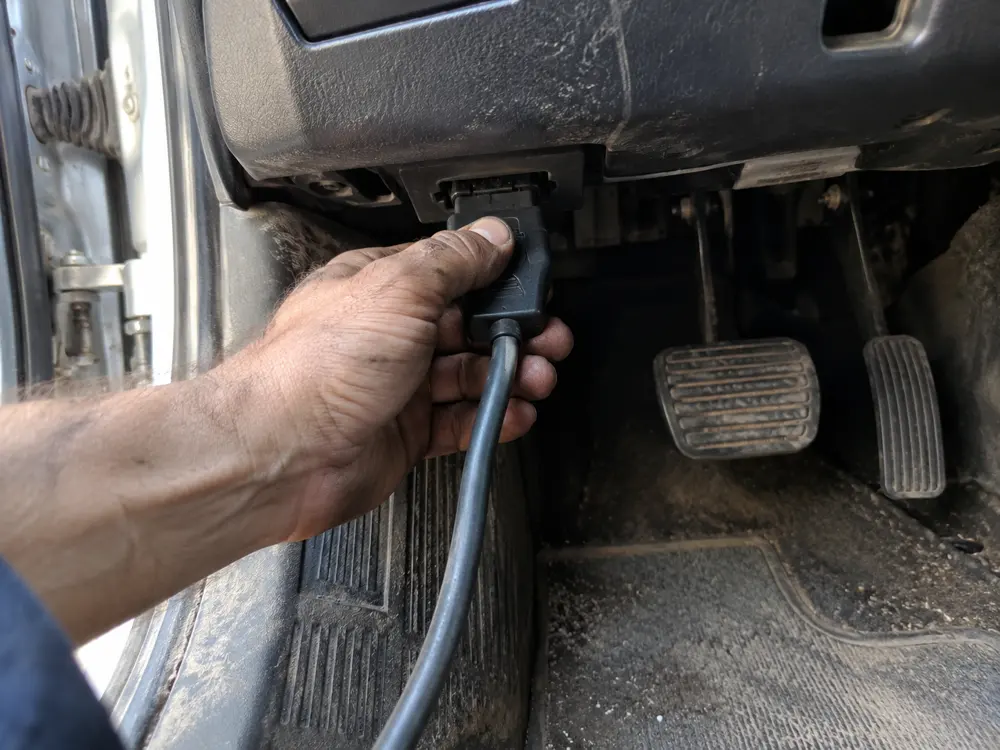
OBD2 injector correction values
A scan tool that reads live data shows per-cylinder fuel correction (often in mm³/stroke or mg). Healthy injectors sit near zero with small, balanced trims. A cylinder demanding a large positive or negative correction is flagging that exact injector - this is the fastest way to find the culprit without removing anything.
Compression test
If smoke and rough running persist after the injector tests look clean, run a compression check. Low compression in a cylinder mimics injector symptoms but is a ring, valve, or head-gasket issue. Confirming good compression keeps you from blaming the injectors for an engine fault.
What should you do about clogged or failing injectors?
For mild, deposit-related issues, run a quality PEA-based cleaner; for severe symptoms or confirmed mechanical wear, recondition or replace the injectors. The decision rule is simple - match the fix to the cause you diagnosed.
Mild deposits: use a PEA fuel additive
This is the honest exception to the “fuel doesn’t clean injectors” rule. Dedicated cleaners built on PEA (polyetheramine) genuinely dissolve carbon and varnish from nozzle tips and have documented deposit-reduction results. If your symptoms are early - slight rough idle, a little extra smoke, a small consumption creep - a PEA cleaner over a few tank fills is the right first move. TEC 2000 Diesel Injector Cleaner is an in-tank additive aimed exactly at this mild-deposit scenario; pour it in the tank and let it work over normal driving. For a full walkthrough of products and dosing, see our diesel injector cleaning guide.
Severe or mechanical failure: recondition or replace
If the leak-off test shows excessive return, a nozzle is cracked, the spray pattern is destroyed, or the actuator is electrically dead, no additive will fix it - that needs a flow-bench recondition or a new injector. Be honest with yourself here: an additive cannot regrow worn metal or reseat an eroded nozzle. Continuing to drive a mechanically failed injector risks bore wash, fuel dilution of the oil, and even a holed piston.
Keep the rest of the engine clean too
Injector deposits rarely live alone - carbon and oil sludge build up across the engine. An oil-circuit flush before an oil change removes accumulated varnish so fresh oil and a clean fuel system actually stay clean. A solvent-and-lubricant engine flush such as TEC 2000 Engine Flush runs about 10 minutes on a warm engine just before draining the old oil; it uses a chlorine-free hydrocarbon base with no kerosene and is safe for seals. Compare options in our roundup of the best engine flush.
Can a fuel additive really unclog a diesel injector?
Yes for carbon deposits, no for mechanical wear. A PEA-based cleaner can dissolve the coking that throttles a nozzle’s spray and restore atomization - this is real and documented. What it cannot do is repair an eroded seat, a scored needle, a cracked body, or a dead solenoid or piezo stack. That is the dividing line every diesel owner should understand: deposits respond to chemistry, worn metal responds only to a workshop. Diagnose first, then choose the fix that matches the actual cause - and never expect a bottle to undo a mechanical failure.