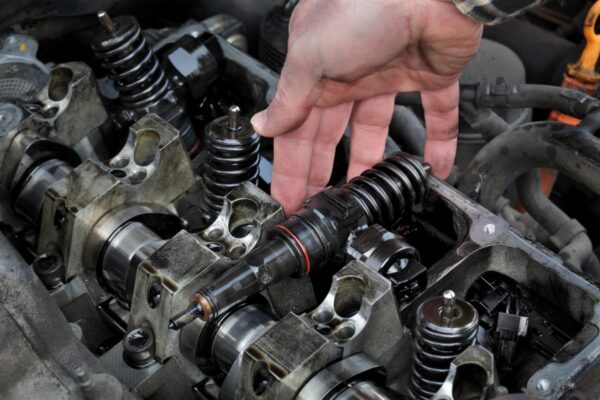
Common Rail injectors are a key component in a diesel engine. Their role is to deliver the appropriate amount of fuel into the combustion chamber in the engine cylinders. However, over time, Common Rail injectors can wear out and stop working properly, which leads to various problems such as a drop in engine power, increased fuel consumption and emission of pollutants. In this article, we will discuss exactly how to check Common Rail injectors and how to fix the problems associated with them.
Check the engine fault code
Before proceeding with the diagnostics of Common Rail injectors, you should check the engine fault code. This can be done using a diagnostic device or by visiting a car repair shop. The fault code will allow you to identify which injector is damaged or not working properly.
Check the fuel pressure
The next step is checking the fuel pressure in the Common Rail system. This can be done using a special pressure gauge. The pressure should be within the range of 2000-3000 bar. If the pressure is too low, it may indicate problems with the injectors or the fuel pump.
Check the fuel spray
The next stage is checking the fuel spray from the Common Rail injectors. This can be done using a special injector testing device. The fuel spray should be uniform for each injector. If the spray is uneven, it indicates problems with the injectors.
Check the electrical resistance of the injectors
The next step is checking the electrical resistance of each injector. This can be done using a resistance meter. The resistance should fall within the limits specified by the manufacturer. If the resistance is outside the limits, it means that the injector is damaged.
Carry out an injector test
The next step is carrying out an injector test, which will allow you to accurately diagnose the problems associated with them. This test can be carried out using a special device that simulates the operation of the engine. This test will allow you to check the performance of each injector, as well as their sensitivity to changes in load.
Check the injectors for the presence of contaminants
In the case of problems with common rail injectors, the cause is often the presence of contaminants such as rust, stones or fuel deposits. That is why it is worth checking each injector for the presence of these substances. To do this, you should remove the injectors and clean them thoroughly.
How often should Common Rail injectors be checked?
You should regularly carry out diagnostics of Common Rail injectors, especially if the car is used intensively or has high mileage. It is recommended to carry out diagnostics approximately every 30 thousand kilometres.
Is repairing Common Rail injectors complicated?
Repairing Common Rail injectors is a task for experienced mechanics, as it requires specialist tools and technical knowledge. That is why it is recommended to use the services of a professional car repair shop.
What are the symptoms of damaged Common Rail injectors?
The symptoms of damaged Common Rail injectors can include, among others, a drop in engine power, increased fuel consumption, emission of pollutants, difficulty starting the engine, engine noise or vibration.
Checking Common Rail injectors is extremely important to ensure their proper operation and to avoid more serious engine problems. Carrying out the diagnostics can be complicated, which is why it is worth using the help of experienced mechanics. This way, you can avoid unnecessary costs and increase the durability of the engine. How to check Common Rail injectors? Now you already know how to do it!