Everyone who takes care of their vehicles knows that keeping the engine clean is extremely important for its long-term performance and durability. But how exactly can this procedure be carried out? This article aims to provide a complete guide on how to correctly perform an engine flush, how to use specialized fuel additives, how to effectively wash the engine, and how much engine flush should be poured in. Read on to find out more!
Do I Really Need to Flush the Engine?
You may be wondering whether flushing the engine is really a necessity. The answer is simple: yes! The engine is the heart of your car. Over time, various types of contaminants, such as oil, grease and other particles, can build up inside the engine. These deposits can lead to a range of problems, including reduced performance, increased fuel consumption, and even engine damage. That is why regularly flushing the engine is crucial for keeping it in excellent condition.
If you want to learn more, check out the post - Do you need to flush the engine when changing the oil?
How to Flush an Engine?
So, how exactly do you flush an engine? The process usually involves several steps that require attention and precision.
Choosing the Right Engine Flush Fluid
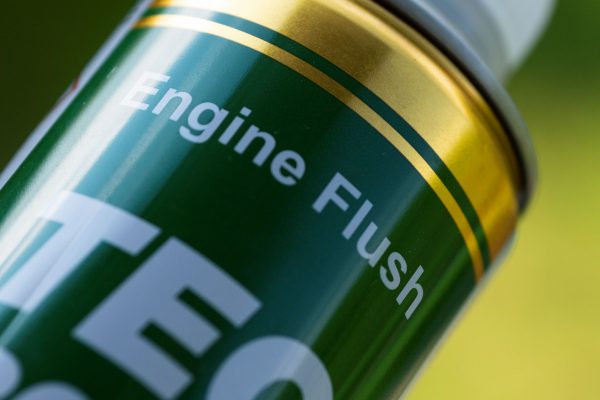
The first step is choosing the right engine flush fluid. There are many products available on the market, so it is worth taking some time to understand which of them will best meet your needs. Engine flushes differ in composition and may contain various additives that enhance the flushing process. Choosing the right product depends on many factors, such as the type and age of the engine, the degree of its contamination, as well as your individual preferences. The product most recommended by drivers and mechanics is the TEC 2000 preparation - it perfectly removes all contaminants and improves the car’s performance.
Preparing the Car
Next, you need to prepare the car for the flushing process. Make sure the engine is sufficiently warm, but not hot. It is best to perform the flush after a short drive, when the engine is warm but not hot. This way, the flushing fluid will work effectively, but the engine will not overheat.
Adding the Fluid to the Engine
The third step is adding the fluid to the engine. This is where the question arises: how much engine flush should you pour in? It depends on the specifics of the product you have chosen. Always follow the manufacturer’s recommendations regarding the amount of fluid to use. Usually, the flushing preparation is added to the old oil, after which the engine is started for a few minutes so that the fluid can reach all parts of the engine.
Draining the Old Fluids
After adding the fluid and running the engine for a few minutes, it is time to drain the old fluids. This is the stage at which the accumulated contaminants are removed. Make sure you have a suitable container into which the old fluids will drain.
Adding New Oil and Filter
Finally, once the engine has been cleaned, it is time to add new oil and replace the filter. The right oil and filter are crucial for the long-term performance of the engine, so make sure you choose the ones appropriate for your car model.
How to Wash an Engine? Tips and Advice
Flushing the engine is one aspect of keeping the engine clean. The second, equally important one, is washing the exterior part of the engine. Here are a few tips and pieces of advice on how to do it.
Preparing for Cleaning
First, make sure the engine is cold. Never clean a hot engine, as this can lead to component damage. Then put on appropriate protective clothing, such as gloves and goggles, to protect yourself from harmful substances.
Protecting Sensitive Parts
Before you start cleaning the engine, make sure that all sensitive parts, such as the battery, are properly covered. You can do this using plastic bags or aluminum foil.
Using the Right Cleaning Agents
Various engine cleaning agents are available on the market. Some are more aggressive, others milder. Choose the agent that best meets your needs, taking into account the condition and age of the engine.
Thorough Rinsing and Drying
After applying the cleaning agent, thoroughly rinse the engine with water. Then, make sure the engine is well dried before starting the car again. You can do this using towels or a blow dryer.
Boost the Effects of an Engine Flush with Fuel Additives
A fuel additive can support the effects of an engine flush. There are special additives designed to remove contaminants from the fuel system, which translates into better engine performance. When choosing a fuel additive, pay attention to whether it is compatible with your type of fuel (petrol, diesel) and engine type.
Keeping the engine clean is a key aspect of taking care of your car. Regularly flushing and cleaning the engine, as well as using appropriate fuel additives, can contribute to increased performance, improved fuel consumption and an extended engine lifespan. Now that you know how to do it, you are ready to take these steps!