An engine performs best when it is provided with the right conditions. As it is an extremely complex mechanism in which many processes take place, all contamination can disrupt its proper operation. Today we will discuss where the red deposits inside the engine come from and what effects they can cause.
Where do deposits in the engine come from?
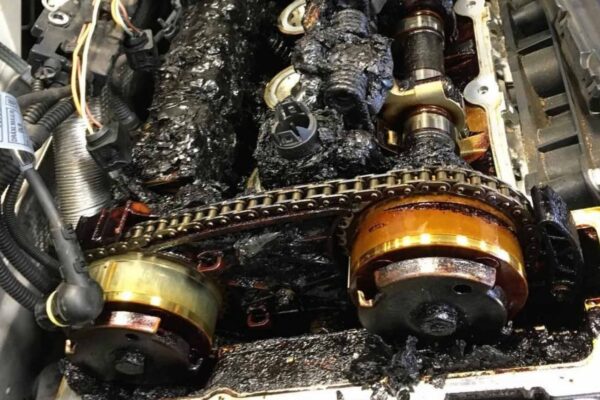
The contaminants that form in the engine are primarily various kinds of carbon deposits, soot and sludge, which form from a mixture of engine oil and the residue of unburned fuel. They settle on the surfaces of various components, hindering the operation of subsystems such as valves, injectors, piston rings and the oil channels inside the engine.
The main factor contributing to the formation of contamination in the engine can be poorly matched oil. A low-quality formulation, or one that is not properly suited to our power unit, will mean that it does not fulfil the tasks set before it. On this matter, you should therefore follow the recommendations of the car’s manufacturer and buy only products from proven and highly rated manufacturers.
One of the basic tasks of engine oil is keeping the unit clean. It must ensure that the by-products of the combustion process do not settle on the engine’s components, while washing away any contamination that has already formed and holding it in suspension within its volume. The higher the quality of the oil, the more dispersed the deposit and the stronger its ability to hold contaminants. If it does not have the right parameters, inhomogeneous, sticky suspensions will form within it that will, over time, begin to adhere to metal surfaces. This can lead to clogging of the filter and of the oil channels. Components covered with dirt will also be exposed to significantly increased friction, because there will be no way to lubricate them properly. Deposits in the engine therefore contribute to faster wear and potential failures.
Old oil as a cause of deposit forming on the engine
Over time, engine oil loses its properties and becomes increasingly dirty. In the harsh conditions prevailing in the engine, it undergoes numerous chemical processes that cause its gradual degradation. We cannot therefore expect it to still perform its functions adequately after covering 30,000 kilometres. Over time it also gradually thins out, losing its lubricating properties, so that it stops protecting against friction and corrosion.
How often should the oil be changed?
The best information and knowledge about our engine and the processes taking place within it is held by its creator, which is why we should consult the car’s owner’s manual for guidance on its operation. There we will find recommendations for the parameters of the oil that should be used as well as suggestions regarding its replacement. As a general rule, however, it can be said that oil should be changed at least once a year or after covering 10,000-15,000 km.
Are deposits in the engine dangerous?
Deposits in the engine can be associated with many problems that may ultimately lead to total damage of the power unit. Contaminants cause the engine oil to quickly turn into a thick, black sludge that does not reach all of the engine’s components and does not provide adequate protection. As is easy to guess, without a good oil film the engine will very quickly seize or suffer serious failures, connected, among other things, with damage to the bearing shells or the variable valve timing systems.
The first components exposed to the action of all kinds of dirt are the injectors, which are located right above the engine head. It is there that the harmful carbon build-up resulting from poor combustion of the air-fuel mixture most often settles. With injectors, precision in metering the fuel into the combustion chamber is extremely important. Even the smallest contaminants accumulating in the injector tips can disrupt their operation.
Red deposits in the engine can therefore be really dangerous and indicate various kinds of damage. If you notice such deposits in your car, I would advise carrying out a cleaning, or going to a mechanic to check whether any fault has occurred.
How can you tell that the engine is dirty?
How will we know that deposits have accumulated in the engine? As they affect the operation of many important systems, we should notice a difference in the way our car functions. A loss of power, surging revs, problems with starting or increased fuel consumption - all of this can indicate that the power unit is not in the best condition.
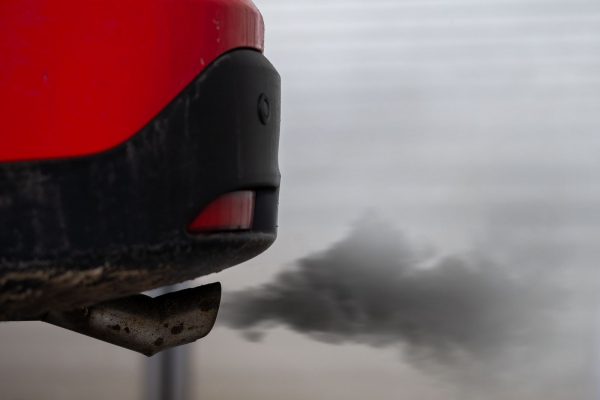
Another sign indicating a large amount of deposits in the engine will be black smoke coming out of the exhaust pipe. This can be evidence of various faults, but the main cause is excessively concentrated soot. It means that the particulate filter cannot keep up with reducing it. Most often the filter becomes clogged when we drive around the city, on short distances and from sitting in traffic jams. In such conditions the car has no way to “burn off” the accumulated deposits.
Deposits on the engine - how to get rid of them?
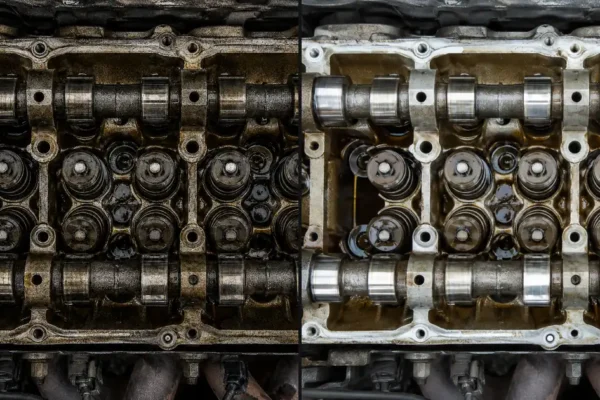
The best way to effectively get rid of dangerous deposits from the engine is the regular use of engine flushes. Thanks to their content of strong detergents, they dissolve the carbon build-up, reaching precisely into all the critical spots.
The engine cleaning process is extremely simple - all you need to do is pour the contents of the can of engine flush into the oil filler and leave the engine running for a dozen or so minutes. Then we remove all the dirt together with the old oil, replacing it with new oil. In this way, using proven products, you will get rid of contaminants and any deposits and provide comprehensive protection to all of the engine’s subsystems.