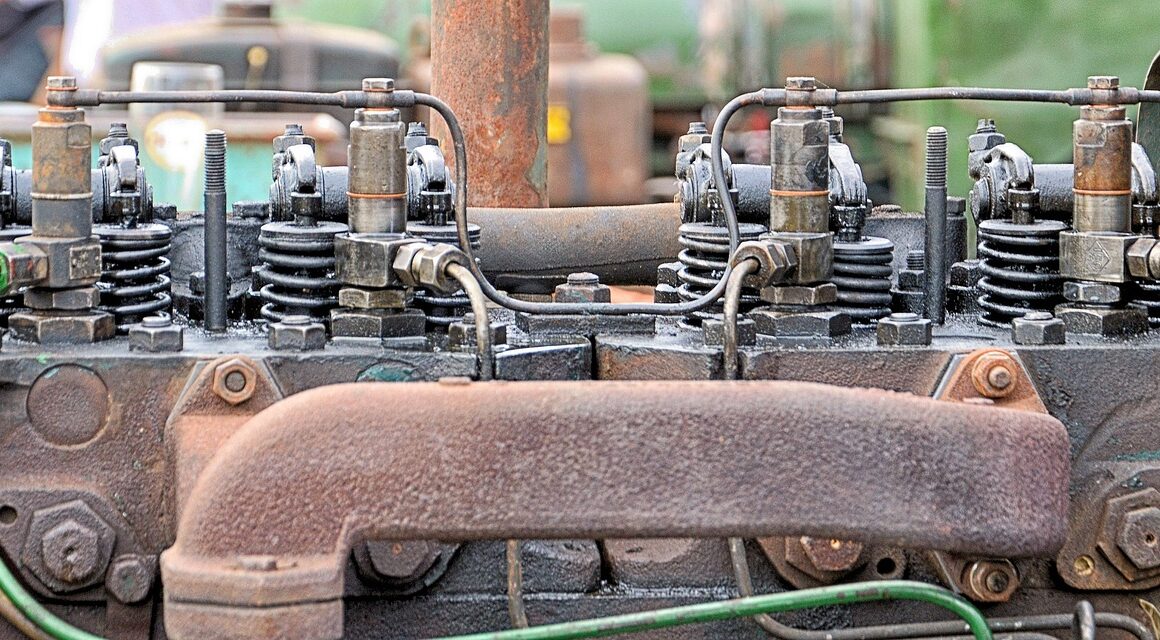
Have you ever thought about the importance of flushing the engine of your diesel-powered car? Have you understood why it is so important for the health and operation of your vehicle? Have you ever wondered what the different engine flushing methods are and which diesel engine flush fluid you should choose? This article aims to answer these questions and provide you with valuable information that will help you better understand and care for your car. We will cover what diesel engine flushing means and why it is so important, analyse the different flushing methods, as well as advise you on how to choose the right engine flush fluid. We will also include opinions from both experts and ordinary users regarding diesel engine flushing.
1. What is diesel engine flushing and why is it important?
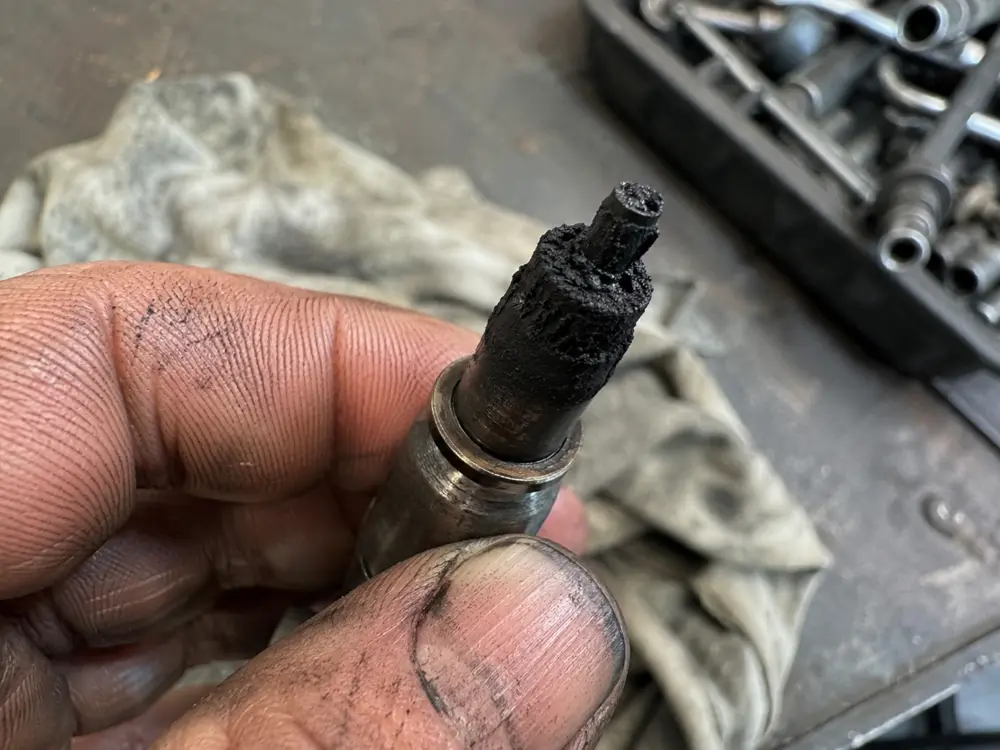
Diesel engine flushing is a process that involves cleaning the inside of the engine using a special chemical substance called an engine flush fluid. The aim of this procedure is to remove accumulated deposits and contaminants that can negatively affect the performance and durability of the engine. In diesel engines, especially turbocharged ones, the build-up of dirt is a natural process resulting from operation. The deposits come mostly from engine oil, fuel residues and combustion stroke particles. They accumulate on the cylinder walls, camshafts, valves or in the injection system.
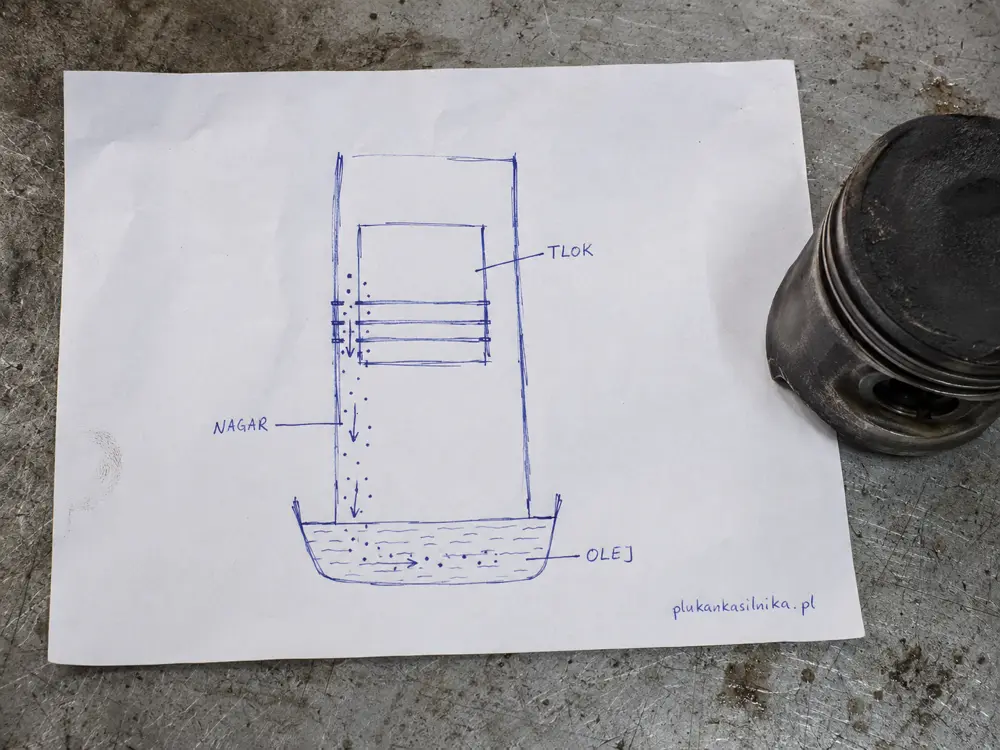
Why is diesel engine flushing so important? The reason is simple - accumulated contaminants have a negative impact on the operation of the entire engine. They can lead to premature wear, reduced power, and in the worst case - to a breakdown. Long-term neglect can result in a lack of conical sealing, which in turn leads to an uncontrolled flow of engine oil or fuel into the combustion chamber. Furthermore, an injection system clogged with dirt may not provide proper atomisation, i.e. the spraying of fuel, which translates into worse engine performance and higher fuel consumption. Regular diesel engine flushing ensures its proper operation, saves costs associated with later repairs and significantly extends the lifespan of the power unit.
2. Different methods of diesel engine flushing: Comparison and analysis.
Analysing the various methods of diesel engine flushing is essential to maintaining the engine’s performance and lifespan. Regardless of the driver’s skills, regular servicing and maintenance of the engine are always necessary. Choosing the right flushing method is therefore an important aspect of vehicle management. One of the most popular methods is chemical flushing, which involves using special fluids to clean the inside of the engine. These fluids are designed to easily remove accumulated residues and contaminants without damaging the mechanical parts of the engine. Although this method is effective and efficiently removes accumulated contaminants, it can be relatively costly. Moreover, some chemicals used in the process can be harmful to the environment.
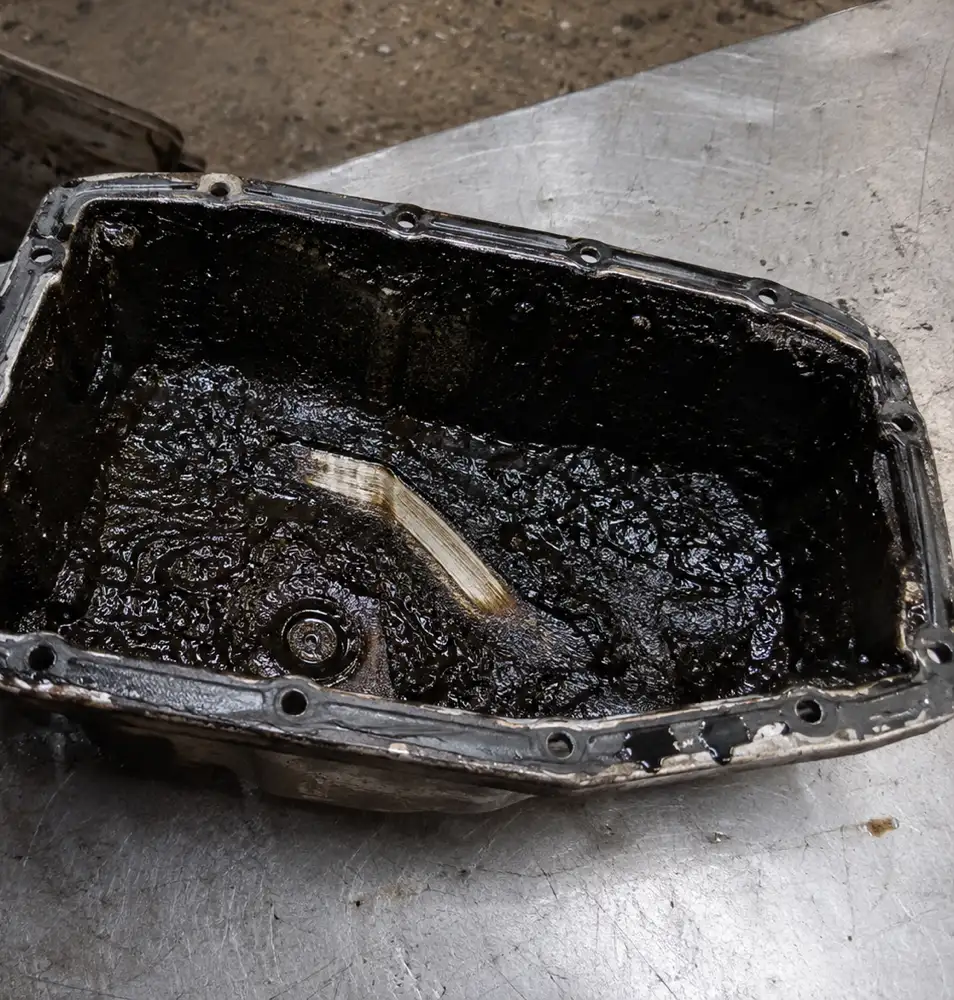
Another common method is traditional flushing, which involves dismantling the engine and physically cleaning its parts. This method is labour-intensive, but it allows for a thorough cleaning of all kinds of contaminants, including those that might be difficult to remove with chemical flushing. It is therefore ideal for engines that are significantly neglected or heavily soiled. It should be remembered, however, that this requires mechanical knowledge and the appropriate tools for dismantling and reassembling the engine. Other flushing methods, less common but still effective, include hydrodynamic and ultrasonic flushing. Each of these methods has its own unique advantages and disadvantages and differs in cost, time and the resources that are required. The key aspect is choosing the method that best suits the individual needs of the engine and the condition it is in.
3. Choosing the right diesel engine flush fluid.
The decision to choose the right diesel engine flush fluid can have a significant impact on the long-term operation and performance of your vehicle. An engine flush fluid is essential for keeping the engine clean and improving its performance, as it helps minimise the build-up of deposits and sediments that can lead to more serious mechanical problems, such as clogged fuel filters, injector damage or a reduction in overall engine performance. The choice of a diesel engine flush fluid should not be a random decision. It requires an understanding of the engine’s specifics and the use of an appropriate product that meets its requirements and protects against potential damage.
The first step when choosing a diesel engine flush fluid is to determine whether your engine really needs it. Some modern diesel engines are equipped with self-cleaning systems that automatically remove accumulated contaminants before they become a problem. But even in such cases, regular engine flushing can provide an additional layer of protection. Once you have decided that you need a flush fluid, it is time to make a choice. When choosing a diesel engine flush fluid, it is important to focus on products that are specifically intended for diesel engines. These fluids are formulated to effectively remove diesel oil deposits, which can differ from those that accumulate in petrol engines. In addition, choose fluids that contain anti-corrosion additives, which will help protect the metal components of the engine. Consulting professionals or specialists of any kind can prove invaluable, as they can provide additional information and advice to help you make the best choice.
4. Expert and user opinions on diesel engine flushing.
Expert and user opinions on diesel engine flushing are mixed. Some mechanics claim that it is necessary to keep the engine in optimal condition. They explain that flushing makes it possible to get rid of accumulated harmful deposits and contaminants that can lead to damage and reduced engine performance. Experts point out that flushing should be carried out regularly, but in moderation, so as not to cause damage resulting from exposing the engine too frequently to the intensive action of cleaning substances.
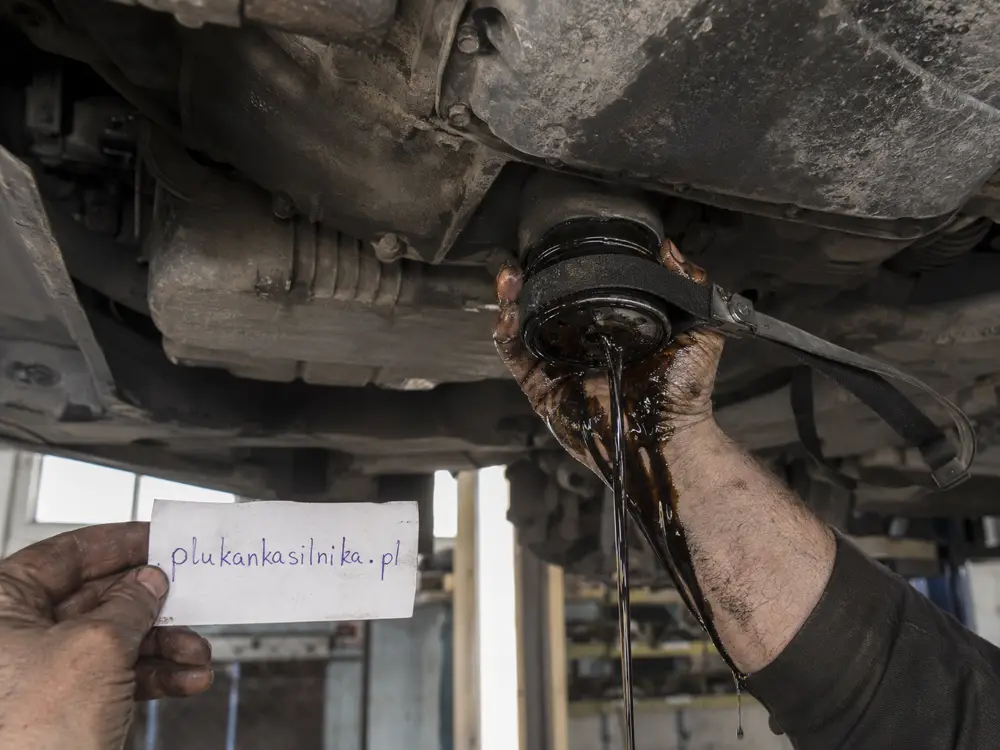
On the other hand, some diesel users argue that the engine flushing process is unnecessary and can lead to problems. They express concerns that flushing can cause damage to the engine if it is not carried out correctly, introducing cleaning agents that can damage delicate engine components. Additionally, some users claim that regular engine oil changes are a sufficient measure to keep the engine in good condition and that there is no need for additional flushing. This position is supported by some experts, who suggest that proper and regular servicing of the engine is the key to its longevity. Ultimately, the decision to flush a diesel engine should depend on the individual operating conditions of the engine, its age and its technical condition.
Diesel engine flushing is a key process for maintaining the engine in good condition, involving cleaning the inside of the engine with a special fluid. It is necessary due to the natural accumulation of dirt and deposits that occurs during the operation of diesel engines. These contaminants can lead to premature wear, reduced power and even engine failure. There are several methods of flushing diesel engines: chemical, traditional, as well as hydrodynamic and ultrasonic - each of them has its advantages and disadvantages, and they differ in cost and the resources needed to carry them out.
When choosing a diesel engine flush fluid, you should pay attention to the engine’s specifics and to whether a given product meets its requirements. The fluids should be specifically intended for diesel engines, effective in removing diesel oil deposits and contain anti-corrosion additives.
Opinions on diesel engine flushing are varied - some mechanics believe that regular flushing makes it possible to get rid of harmful deposits and contaminants, while others believe that proper and regular servicing of the engine is sufficient. The basis should be an individual assessment of the engine’s condition, its age and operating conditions.