Have you ever wondered how to take effective care of your car? How to maintain the performance and efficiency of our vehicle? Many drivers are not aware of how important regular oil changes and engine flushing are. In the guide we are just about to read, we will take a closer look at the matter of the engine flush - we will learn what it is, why it is worth doing, when to carry out this process and how to do it properly. We will also address the choice of the right engine flush fluid. Enjoy the read!
1. What is an engine flush and why is it worth doing?
An engine flush is a process that involves thoroughly cleaning its interior of accumulated contaminants, such as oil deposits, metal shavings or other harmful substances. This procedure is performed using special chemical agents which, thanks to their properties, are able to effectively clean even the most inaccessible places. An engine flush is not a procedure that is necessary during every oil change, however many experts recommend carrying it out, for example, every 50 thousand kilometres. Above all, though, this depends on the driving style and the conditions in which the vehicle is operated.
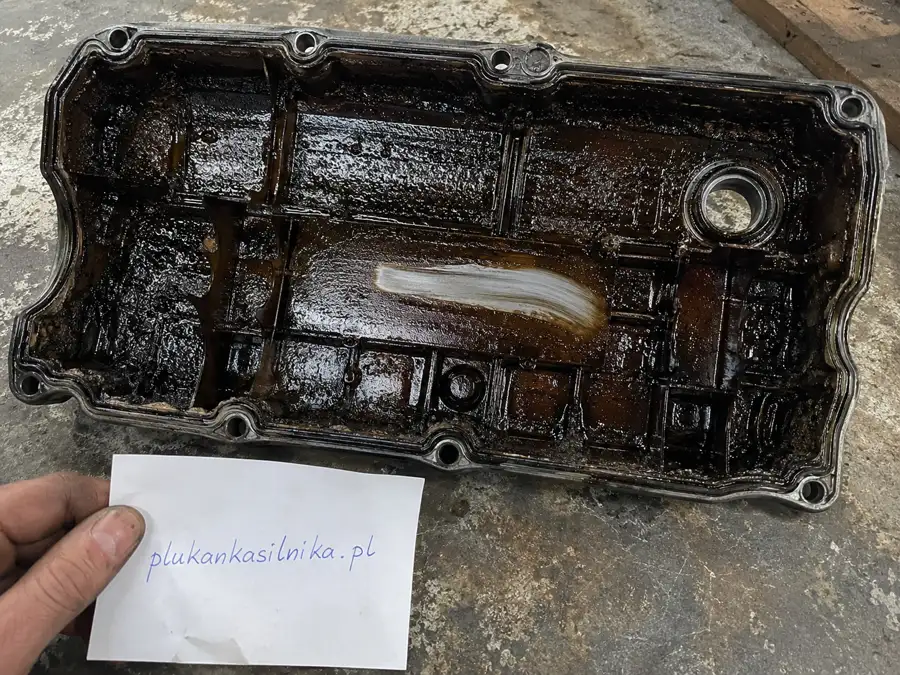
An engine flush has many benefits. Firstly, it prevents premature wear of the mechanisms. Removing accumulated contaminants and oil deposits allows for better lubrication, which improves engine performance and its longevity. Secondly, an engine flush helps to maintain its optimal power, because a clean engine works better, uses less fuel and generates more power. Thirdly, an engine flush is a way to avoid costly repairs resulting from neglecting regular maintenance. Cleaning the engine extends the period between successive oil changes, which is also beneficial from a financial point of view. That is why, although at first glance an engine flush may seem like an unnecessary expense, in the long run it is an investment that ensures savings and increases driving comfort.
2. When to carry out an engine flush before an oil change?
One may be tempted to carry out an engine flush before every oil change, but this is not always necessary, especially in the case of newer cars or those with low mileage without oil circulation problems. An engine flush is the process of removing accumulated deposits and contaminants that can disrupt the proper operation of the car’s lubrication system. Cleaning the engine may therefore seem like something that should be done regularly, but that is not always the case. This fact was once particularly true for old engines that were used intensively but not always regularly serviced. This procedure extends the period between oil changes and prolongs the engine’s service life. Another recommended moment to carry out an engine flush is the situation when the oil in the engine is significantly dirty, which usually occurs in the case of engines that are not regularly maintained or that are operated in extreme conditions.
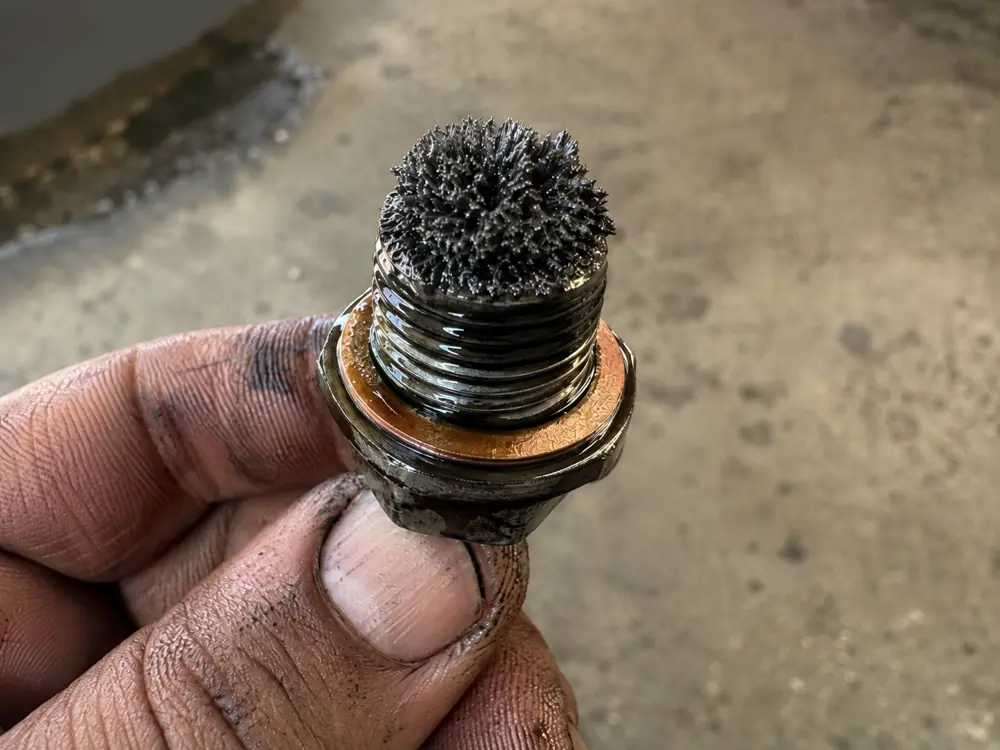
An engine flush is a two-part process which initially involves adding a special cleaning agent to the oil before it is changed. This agent travels along with the oil, helping to wash away accumulated deposits. Then the old oil together with the cleaning agent is drained from the engine, and new, clean oil is poured in its place. It is essential that during this process no cleaning agent is left in the engine, because this can lead to seizure or other damage. For this reason, it is not recommended to carry out an engine flush directly before a long journey or other intensive use of the car, because this can increase the risk of engine problems. A better idea is to carry out this operation in everyday driving, when the car is not being used intensively.
3. How to carry out an engine flush correctly?
Carrying out a proper engine flush is a process that requires the right agents and precision. The first step is, of course, to select the appropriate substance that will allow for the effective and safe removal of contaminants accumulated in the engine. For this purpose, specialist preparations available in automotive shops are most often used, which are created specifically for this purpose. It should be remembered, however, that an engine flush is a process that must be carried out carefully and with prudence, because improper performance of this task can lead to damage to the unit.
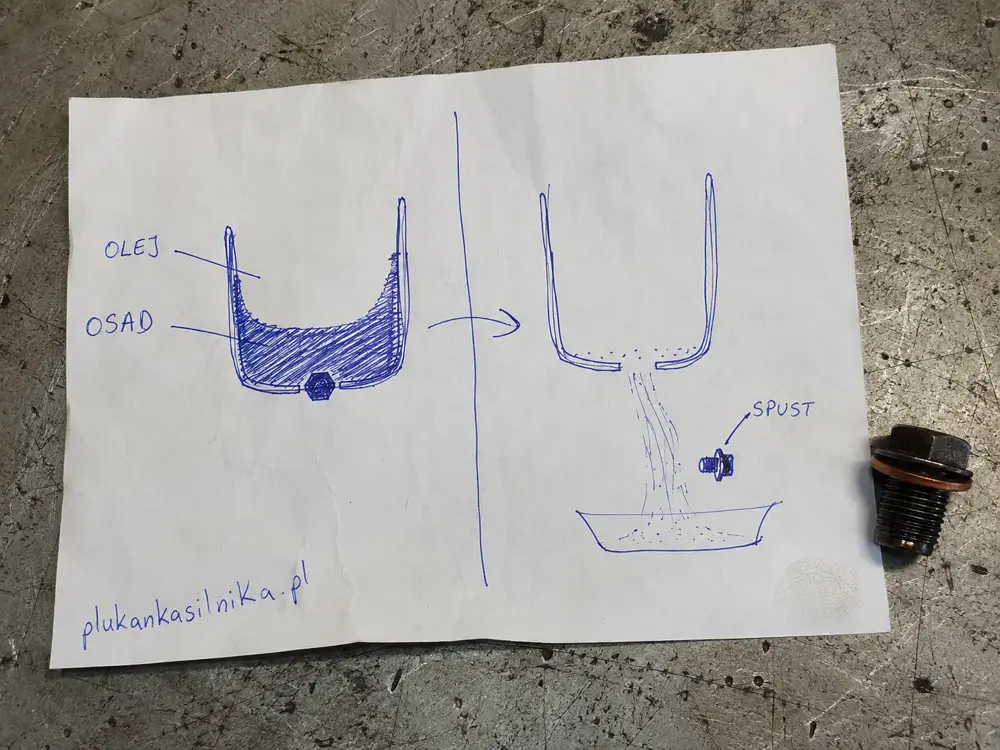
We begin the engine flush by heating it to operating temperature - around 90 degrees Celsius, which will help break down the contaminants accumulated inside. After reaching the appropriate temperature, you should gently pour the cleaning fluid into the oil system, in accordance with the instructions on the packaging. Then we start the engine and leave it at idle for about 10-15 minutes, so that the fluid can act on the accumulated deposits. After this time, the engine is switched off, after which we change the oil and filters. It is important that after carrying out the flush, you do not set off straight away on a long journey, but rather drive a few kilometres at moderate speed, so that the new oil can distribute properly throughout the entire engine. An engine flush is a complicated process that requires precise actions, but, when carried out correctly, it will ensure long and reliable operation for our engine.
4. Choosing the right engine flush fluid.
Choosing the right engine flush fluid is extremely important for the long-lasting and trouble-free operation of our vehicle. The engine is the heart of the car, which requires exceptional treatment and regular care, and one of the elements of this care is flushing it. Although at first glance it may seem that all engine flush fluids are similar, the truth is that there are considerable differences between individual products. Often the choice of engine flush fluid depends on the specifics of a given car model, its age, the type of fuel used, or also on the driver’s individual preferences. All these factors influence the choice of the most suitable fluid, which can ensure the most effective cleaning of the engine.
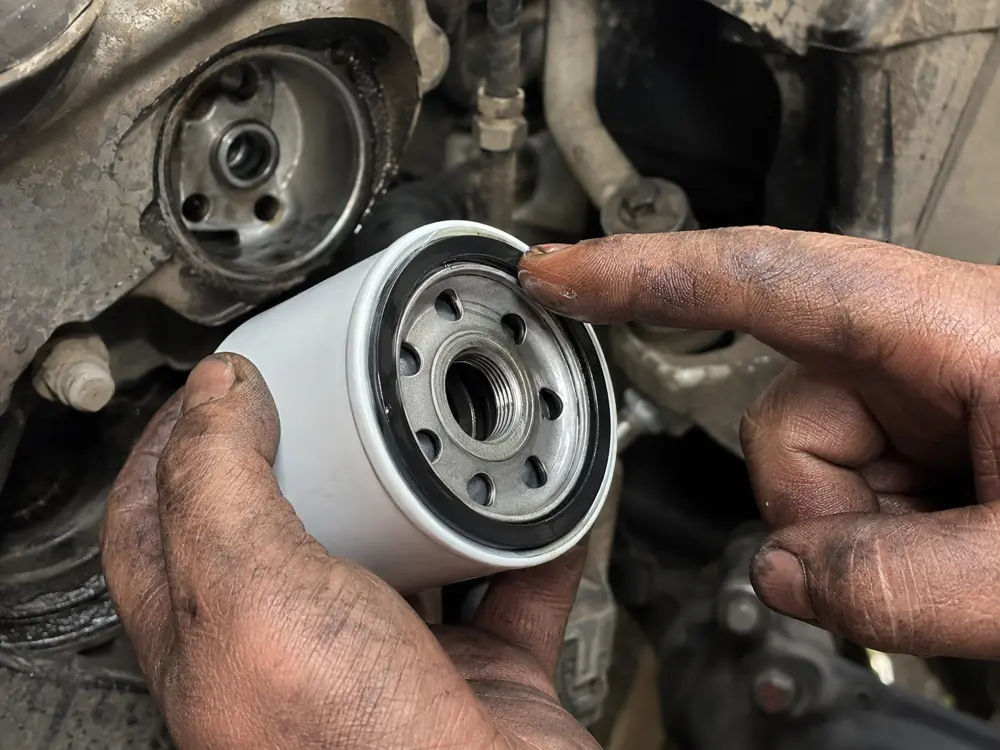
An engine flush fluid should be chosen not only with regard to the technical specifications of the vehicle, but the type of deposits we want to remove from our engine should also be taken into account. If oil deposits remain in the engine, we should choose a fluid that will effectively deal with their removal. In the case where we are dealing with sludge deposits, we should opt for a fluid with stronger action. Many manufacturers offer engine flush fluids with additives that additionally protect the engine against corrosion and extend its service life. It is also important that the fluid be safe for the seals and other engine components, so as not to damage them. It is also essential that the engine flush fluid be compatible with the oil we intend to use after carrying out the flush. When choosing a fluid, it is also worth paying attention to its price - the most expensive does not always mean the best, and savings on this element may prove ruinous for the condition of our car.
An engine flush is the process of cleaning the engine’s interior of contaminants, oil deposits, or metal shavings. It is optional, but recommended by experts every 50 thousand kilometres, however it is also dependent on the driving style and operating conditions of the vehicle. Flushing prevents premature wear of the mechanisms, maintains the optimal power of the engine, and also helps to avoid costly repairs. Many drivers decide to flush the engine before every oil change, although this is not always necessary. Flushing involves adding a special cleaning agent to the oil, and then draining the old oil and replacing it with new oil. This process requires accuracy and care, so as not to damage the engine. Choosing the right engine flush fluid is crucial; it is worth paying attention to the type and condition of the engine, the kind of deposits to be removed, as well as compatibility with the oil used after flushing.