An engine flush is a procedure that enjoys uneven popularity among drivers. For some it is an essential part of caring for a car, for others an unnecessary and potentially harmful practice. In the following sections of our article we will take a closer look at this process. You will learn what an engine flush is and how it is carried out, what benefits and risks it involves, when it is necessary, and what experts have to say on the subject. Our goal is to provide you with comprehensive knowledge about engine flushing, so that you can make an informed decision about whether this procedure is needed for your car.
1. What is an engine flush and how does the process work?
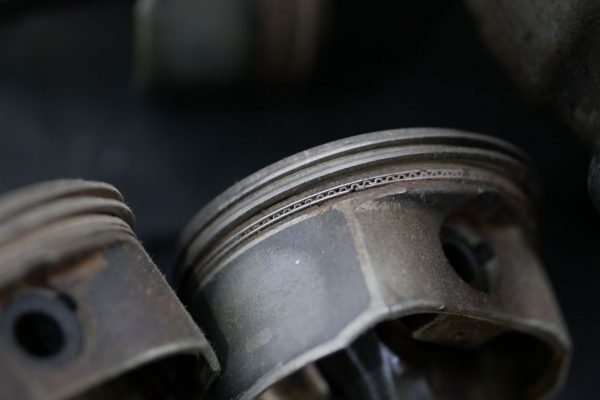
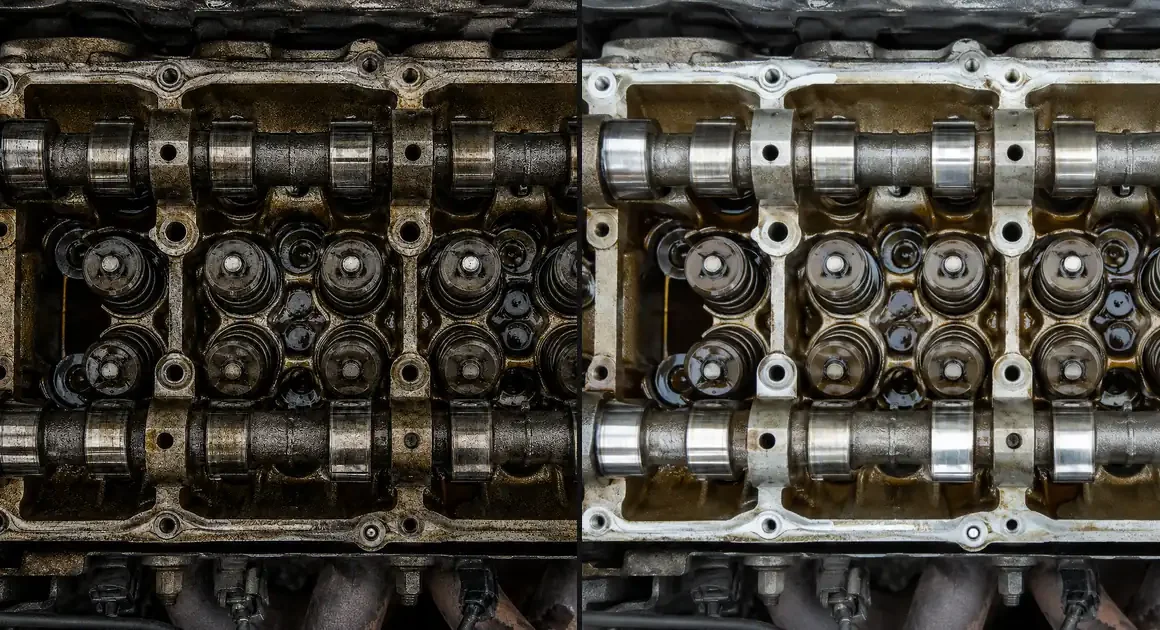
An engine flush is an engine maintenance procedure whose purpose is to remove accumulated deposits and harmful contaminants from inside the engine. It is used primarily in older cars that have had long intervals between oil changes, used low-quality oil, or were operated under harsh conditions. An engine flush is an extremely important task that makes it possible to effectively clean the engine of contaminants, that is, the so-called engine sludge, and thereby improves its performance, saves fuel, extends the engine’s lifespan, and reduces exhaust emissions.
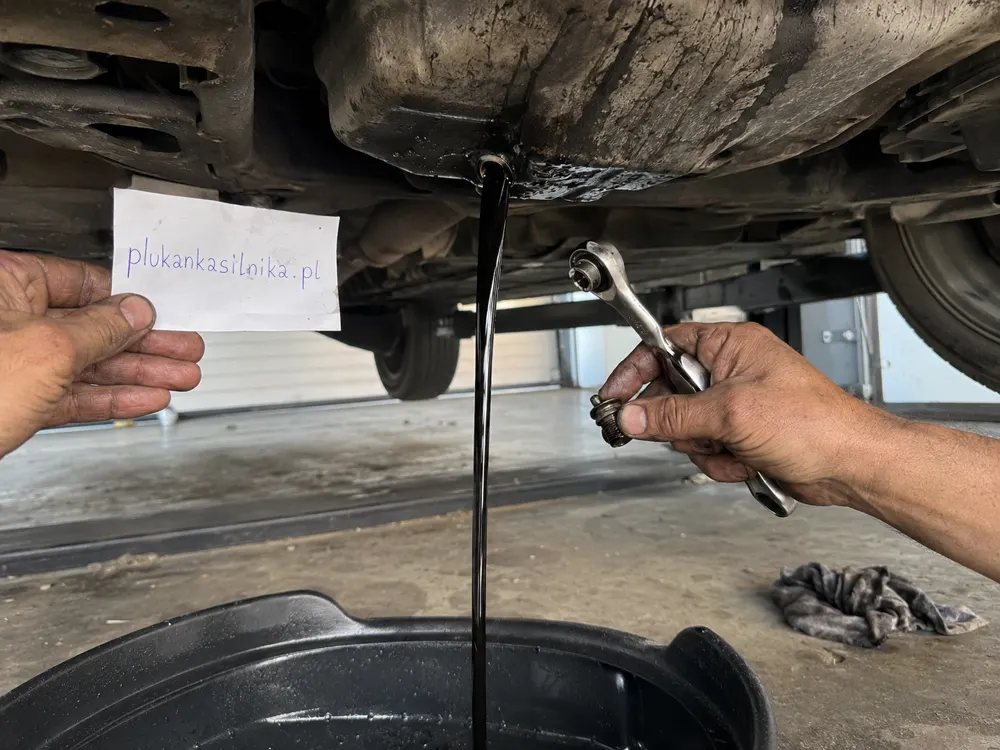
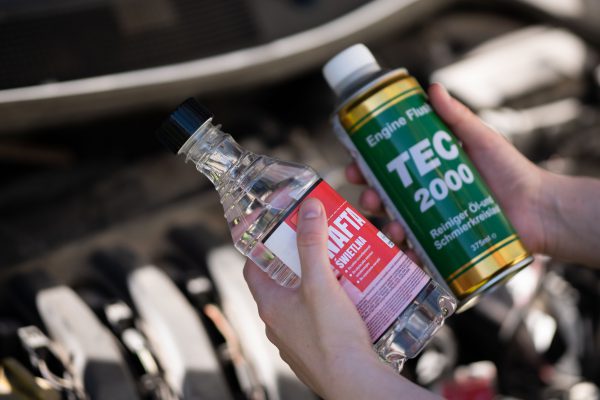
An engine flush begins with removing the engine oil from the engine and replacing it with a special flushing fluid. These are special chemical preparations whose task is to dissolve the accumulated deposits and contaminants. Usually the fluid is added to the oil, after which the engine is started and allowed to run for a specified time (depending on the preparation). Once the flush is complete, the fluid, together with the contaminants and the used oil, is drained into a waste container. The process should be repeated once a year or every 15,000-20,000 kilometres, depending on how the car is used. An engine flush is effective, but it is essential to carry out this procedure very carefully so as not to expose the engine to damage.
2. Benefits and risks associated with engine flushing.
An engine flush is as much a blessing for some as it is a curse for others. The benefits of this procedure are obvious. First, it removes residual oil that may have gathered in places where it should not be. The sum of metal particles that may have remained after an oil change, the sludge residue that was dissolved in the old oil - all of this is removed by an engine flush. This reduces the risk of a sudden emergency engine shutdown, which is particularly important during long and demanding journeys. In addition, an engine flush brings about an optimisation of the engine’s operation. Cleaning the inside of the engine improves oil circulation, which enables a faster start-up and better engine performance. Finally, an engine flush contributes to extending the engine’s lifespan. A clean engine is an engine that runs more efficiently and lasts longer.
However, there are also certain risks associated with the engine flush procedure. An engine flush is an aggressive process. Flushing preparations contain chemical components that can destroy seals and lead to oil leaks. Another potential problem is that an engine flush can remove particles that were blocking small leaks. The flushing process can remove them, which will cause the leaks to become much larger, leading to bigger engine problems. Moreover, there is a risk that not all particles will be removed during the flush and that they may circulate in the engine, causing additional damage. It is therefore worth thinking carefully about the decision to flush the engine and consulting it with an experienced mechanic.
3. Key factors determining the need for an engine flush.
Combustion engines are quite complex and require regular maintenance to operate correctly and efficiently. An important part of this maintenance is regular engine flushing, which aims to remove accumulated contaminants and deposits from inside the unit. Accumulated contaminants can negatively affect engine performance, shorten its lifespan, and lead to more serious problems, such as engine failure. There are several key factors that determine the need for an engine flush.
First, the age and condition of the engine. Older engines, especially those that have not been regularly serviced or were operated under harsh conditions, may have a greater amount of accumulated contaminants and deposits. These deposits can seriously hinder the engine’s operation, leading to problems such as a drop in power, excessive fuel consumption, or improper functioning of certain components. Therefore, if the engine is already getting on in years, it is worth carrying out a flush, even if we do not yet notice any problems. Equally important is flushing the engine after any kind of repair or overhaul, in order to remove any deposits left behind by the repair work.
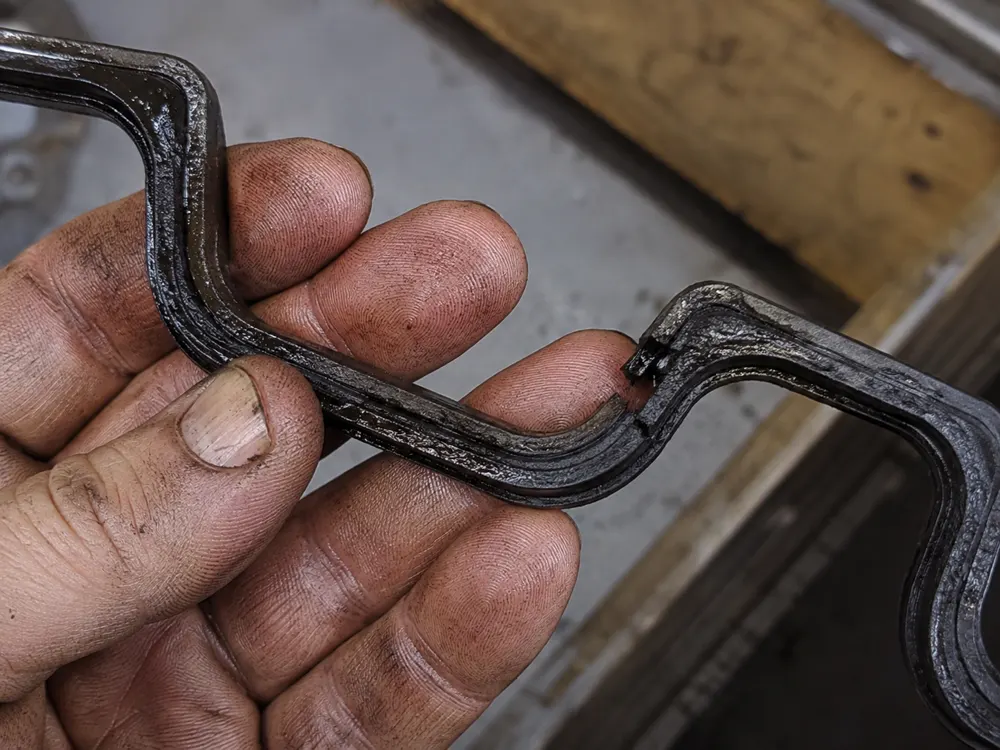
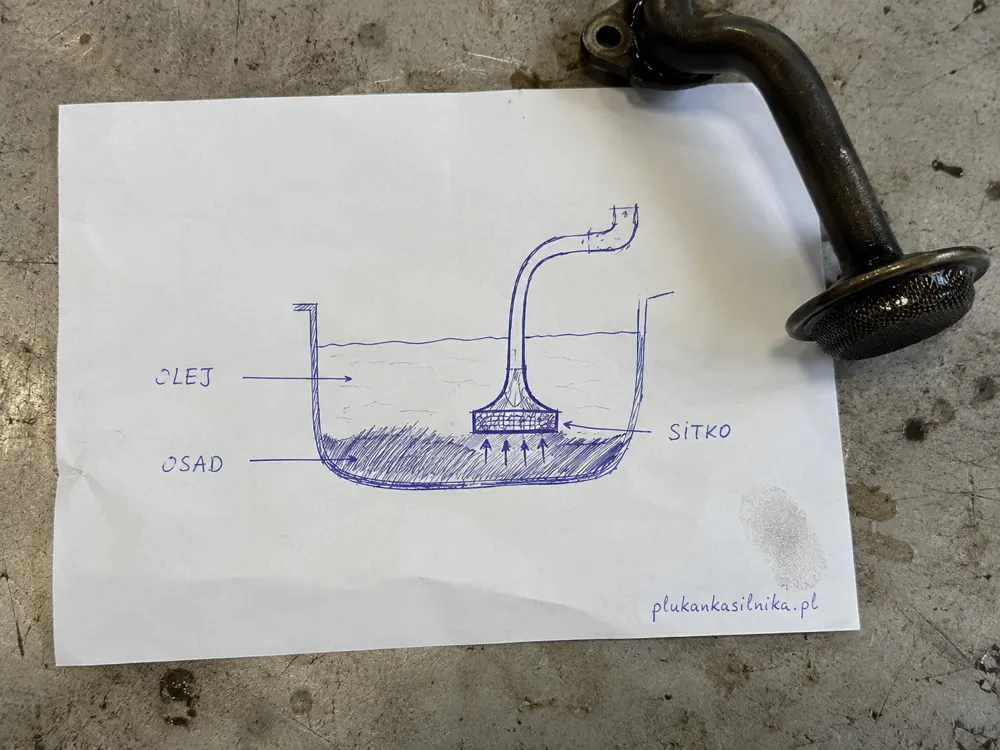
It is worth setting that against what actually blocks pickup screens in workshop practice. The most common cause is not deposit from the engine but silicone used to seal the sump. Someone beds the sump on a thick bead of sealant, the excess squeezes out on the inside, in time it breaks away in pieces and gets sucked straight onto the mesh. Next on the list come gasket remnants and fragments of disintegrating components. A flush only joins that list on severely neglected engines carrying a lot of sludge, and there it is wiser to drop the sump than to rely on chemistry.
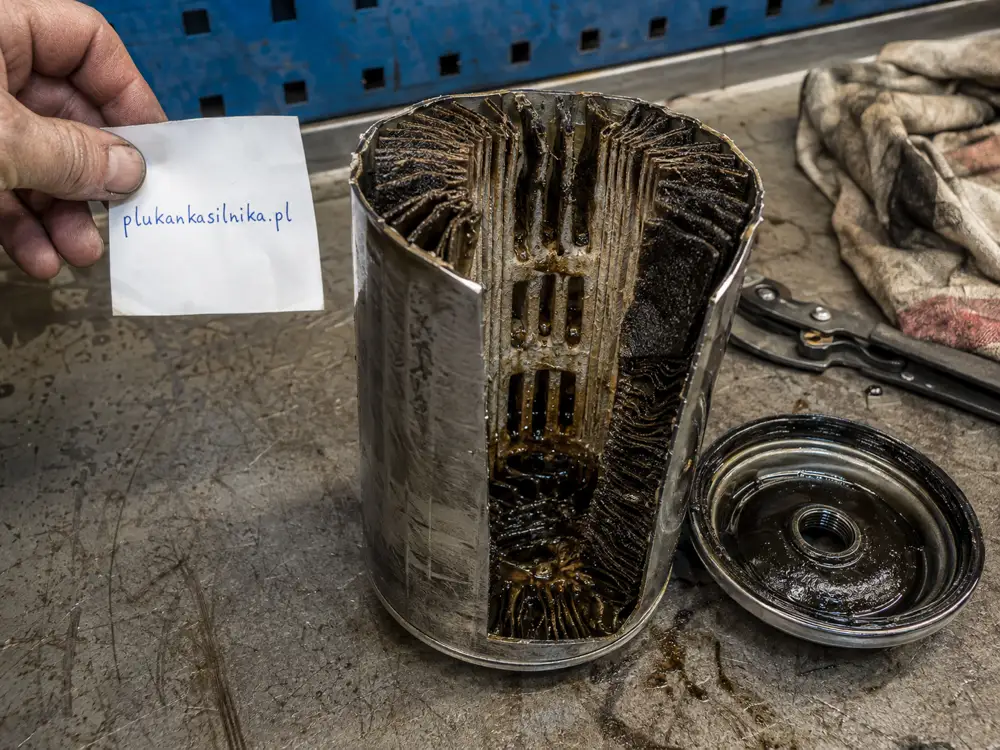
Second, the quality of the engine oil and the frequency of its replacement. If the oil is not changed regularly or if we use low-quality oil, this can lead to the formation of deposits and contaminants in the engine. In the case of improper engine oil maintenance, these deposits can accumulate over long periods of time, until they eventually begin to affect the operation of the powertrain. Regular flushing is therefore essential to prevent these problems and to keep the engine in good condition. An engine flush is thus a procedure that we should not underestimate, regardless of the age or condition of our vehicle.
4. Expert opinions on the value of engine flushing.
According to experts in the automotive industry, an engine flush is a key element of keeping a car in the highest possible standard. The purpose of this procedure is to remove deposits and accumulated dirt, which can slow down the engine’s operation, affecting its performance. Many specialists often advise drivers to flush the engine regularly, especially if they care about keeping the car in good condition over the long term. Technicians emphasise that a clean engine runs better, uses less fuel, and is less prone to serious failures.
On the other hand, some experts believe that an engine flush is not always necessary, and may even be harmful in certain circumstances. They point to the fact that some modern engine oils have very good cleaning properties and are able to remove accumulated contaminants on their own. In addition, performing an engine flush with the wrong technique or the wrong fluid can lead to damage to the system. In these cases, experts recommend consulting a qualified mechanic or an engine specialist to determine whether an engine flush is necessary and whether it should be carried out.
An engine flush is a very important maintenance procedure whose purpose is to remove contaminants and deposits from inside the engine. It should be used primarily in older cars and in those that were operated under harsh conditions or that had long intervals between oil changes. An engine flush improves the car’s performance, saves fuel, extends the engine’s lifespan, and reduces exhaust emissions.
The key benefits of an engine flush are the optimisation of its operation, the removal of residual oil, the reduction of the risk of failure during long and demanding journeys, and the extension of the engine’s lifespan. Nevertheless, this procedure also carries certain risks, such as the possibility of damaging seals and causing oil leaks, as well as the possibility of removing particles blocking small leaks, which can lead to more serious problems.
When should an engine flush be carried out? It depends on several factors, such as the age and condition of the engine, the quality of the oil used, or the frequency of its replacement. In older engines, or those that were not regularly maintained, larger amounts of accumulated contaminants may appear.
Expert opinions on the value of engine flushing are divided. Many of them recommend this procedure as a key element of keeping a car in the highest possible standard, while others take into account the risk of engine damage and point to the fact that some modern engine oils have very good cleaning properties. They encourage consulting the decision to flush the engine with a qualified mechanic.