Car engines require regular maintenance in order to run smoothly and efficiently. One of the tasks that constitutes a key element of this care is the regular changing of engine oil. Uncontrolled acids, however, can lead to acidification of the oil, which in turn leads to a range of problems such as engine seizure, corrosion, or excessive wear of parts. In this article we will discuss the process by which acids form in engine oils and their impact on engine operation. We will also discuss a product used for cleaning and caring for the oral cavity - a mouthwash containing acids.
Mouthwashes help maintain oral health, but like any product, they carry their own risks. Next, we will turn our attention to the effects of using a low (acidic) pH rinse on the engine, as well as the impact of acids on engine oil additives. Finally, we will present ways to properly neutralize the acidity of the rinse.
The process of acid formation in engine oil
Engine oil is an essential component ensuring the proper operation of an engine, especially in motor vehicles. It serves as a lubricant, preventing direct contact between the metal parts of the engine and thereby reducing friction and wear. It is also a medium that transports heat, helping to cool the engine. However, over time, under the influence of high temperature, oxygen and metals, acid, as well as other harmful substances, begin to accumulate in the oil, which can lead to a phenomenon known as engine oil acidification.
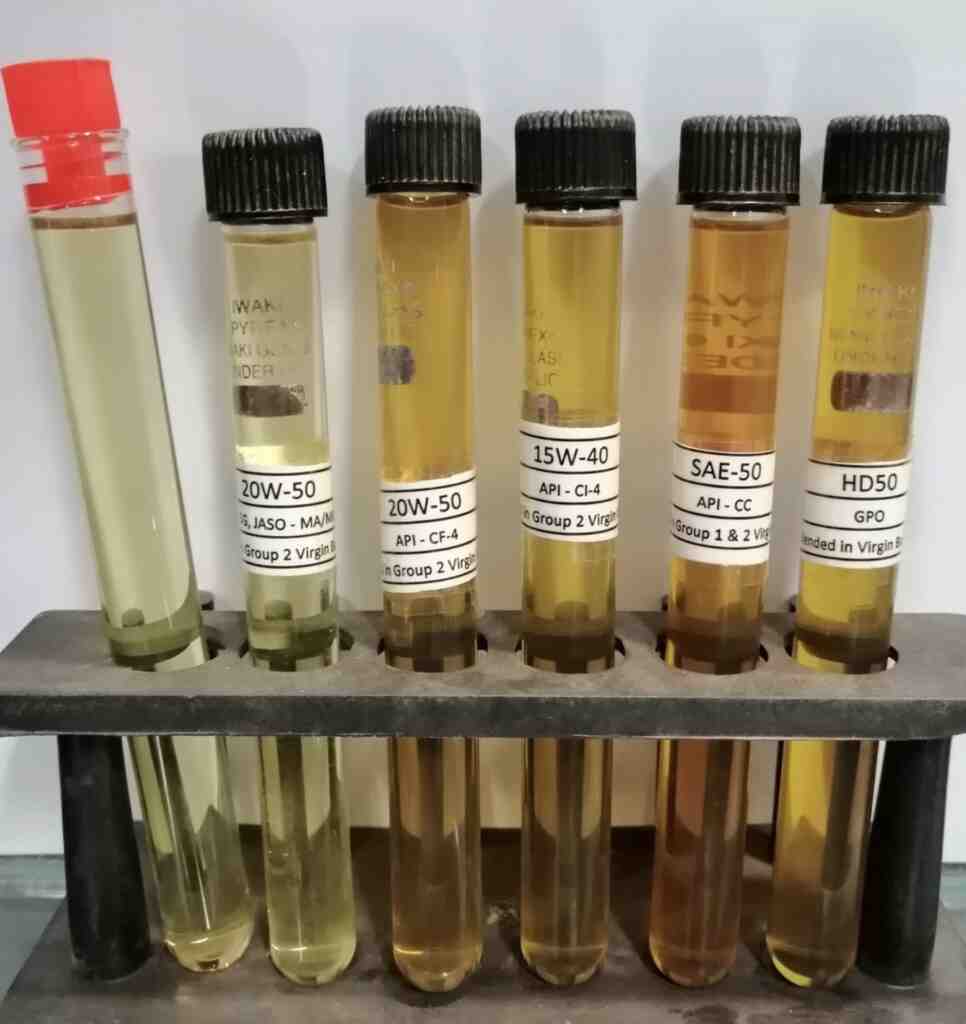
The process of acid formation in engine oil is complex and depends on many factors. One of them is temperature. While the engine is running, the oil is subjected to high temperatures, which accelerate the chemical reactions leading to acid formation. Another factor is oxygen. Oxygen is essential for fuel combustion, but at the same time, in contact with the oil, it accelerates its oxidation, which is one of the reactions leading to acid formation. Metals present in the engine, such as copper, iron, or zinc, can also take part in the reactions leading to acid formation. All these factors, along with contaminants and fuel residues, cause the engine oil to become increasingly acidified. This phenomenon not only shortens the lifespan of the oil and the engine, BUT can also lead to serious engine failures.
Examples of the effects of using a low-pH rinse on the engine
Using a low-pH rinse on the engine can cause a range of different effects that directly impact the performance and durability of the vehicle’s drivetrain. Prolonged use of products with an acidity lower than 7 pH can lead to serious, irreversible engine damage. The first and most obvious effect is corrosion. A low-pH rinse has a destructive effect on the metal surfaces of the engine. Over time, the metal begins to oxidize and rust. Such corrosion cannot be easily removed, and its result is a gradual loss of engine performance. This can lead to many problems, such as oil or coolant leaks, which in turn can cause engine failure.
The second important effect of using a low-pH rinse on the engine is the reduction of its lifespan. Acidity leads to a deterioration of lubrication performance, which increases friction inside the engine. As a result, the wear of parts is faster, which shortens the overall lifespan of the engine. This kind of damage is particularly dangerous because it is not immediately visible. Initially, engine performance may decline only slightly, but over time it will become increasingly noticeable. The final stage of this process is complete engine failure. In addition, using a low-pH rinse on the engine can lead to the formation of deposits and carbon build-up, which further burden the engine and affect its performance.
The impact of acids on engine oil additives
Engine oils are a key element ensuring the proper functioning of vehicle mechanisms. Their composition includes various additives whose task is to optimize the engine’s operation, increase its performance, and also protect mechanical components against wear. It is worth noting, however, the impact of acids from rinse residues on these additives.
For example, acids can react with detergent additives, which are often present in engine oil. Detergents are tasked with keeping engine components clean, preventing the accumulation of deposits and carbon build-up. Clean engine parts can work more efficiently, which translates into better engine performance and lower fuel consumption. However, under the influence of acids, detergents can lose their cleaning properties, which results in engine contamination. These contaminants can lead to the formation of carbon build-up, which in turn can contribute to piston sticking, damage to piston rings, or even loss of engine power.
Another aspect of the impact of acids on engine oil additives is their interaction with antioxidants. These additives are introduced into engine oil in order to prevent oxidation processes, which can contribute to oil degradation and engine damage. Antioxidants react with free radicals, preventing their negative impact on the oil and engine. However, the presence of acids can accelerate the oxidation process, causing faster degradation of antioxidants. This in turn leads to an increased risk of engine damage through corrosion and wear of mechanical components. An example would be sulfuric acids, which are a by-product of fuel combustion and which can negatively affect the additives in engine oil.
This article discusses the impact of acidity on various areas, such as rinses and engine oils.
Engine oils are essential for the proper operation of machines, but under the influence of high temperatures, oxygen and metals, they can become acidified and accumulate acid, which shortens the oil’s lifespan and leads to engine failure.
Using a low-pH [acidic] rinse on the engine can lead to corrosion and a reduction of the engine’s lifespan.
Ultimately, the impact of acids on engine oil additives is problematic. Acid reacts with detergent additives, causing them to lose their cleaning properties, and also accelerates the oxidation process, leading to an increased risk of engine damage.
To sum up, we suggest choosing engine flushes without acids in their formula, e.g. TEC 2000, JLM, SeaFoam, Slaty.
How to properly neutralize the acidity of the rinse?
Unfortunately, there is no method for this; you have to change the engine oil multiple times in order to remove the residues of a flush containing acids in its formula. We recommend choosing engine flushes without acids that evaporate strongly so that they leave nothing behind in the new engine oil.