Table of contents:
1. Introduction
2. The role and importance of injectors in diesel engines
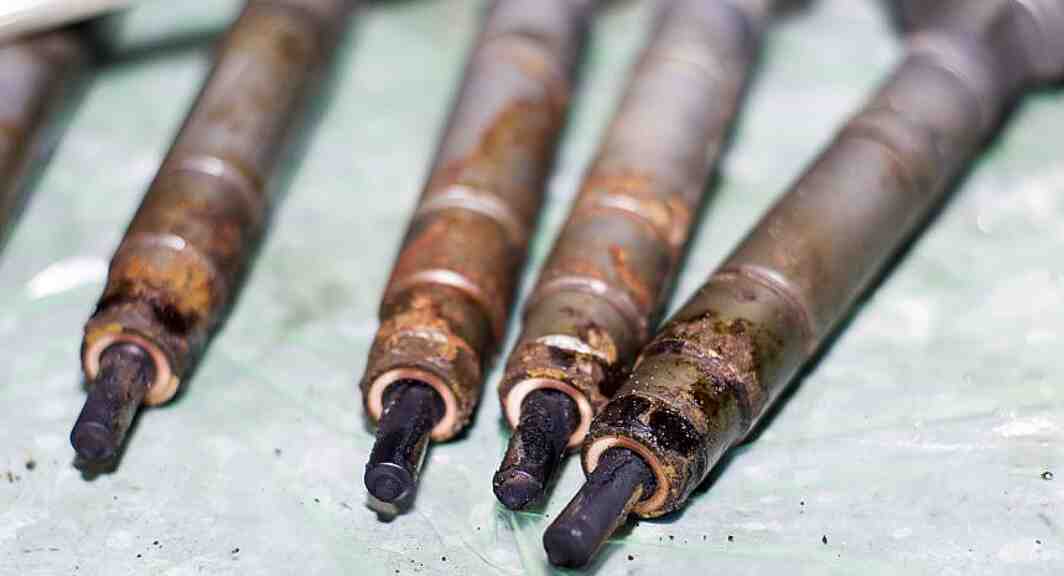
- Design and operating principle of injectors
- The impact of injectors on engine performance and ecology
3. Causes of injector damage and contamination
- External factors affecting the condition of injectors
- Internal causes of injector failure
4. Symptoms and consequences of damaged or dirty injectors
- Reduced engine power and performance
- Increased fuel consumption
- Emission of harmful substances
- Potential engine damage and other technical problems
5. Diagnosing injector problems
- Methods of detecting injector damage
- Diagnostic tools and their use
6. Repair and maintenance of diesel injectors
- Cleaning and repairing injectors
- Preventing injector problems
- When should injectors be replaced?
7. Summary and recommendations for diesel vehicle owners
- Key points to remember
- Recommendations regarding maintenance and operation
1. Introduction
Diesel engines are very popular, especially in larger vehicles such as trucks and buses, as well as in many passenger cars. Why? Because they are usually more economical and durable than petrol engines. But for such an engine to run well, the injectors are important - they are the ones that deliver fuel into the engine. When the injectors have a problem, e.g. they are dirty or damaged, this can cause the car to run worse, burn more fuel, and even make strange noises. That is why it is worth knowing what to do to avoid such problems.
2. The role and importance of injectors in diesel engines
Design and operating principle of injectors
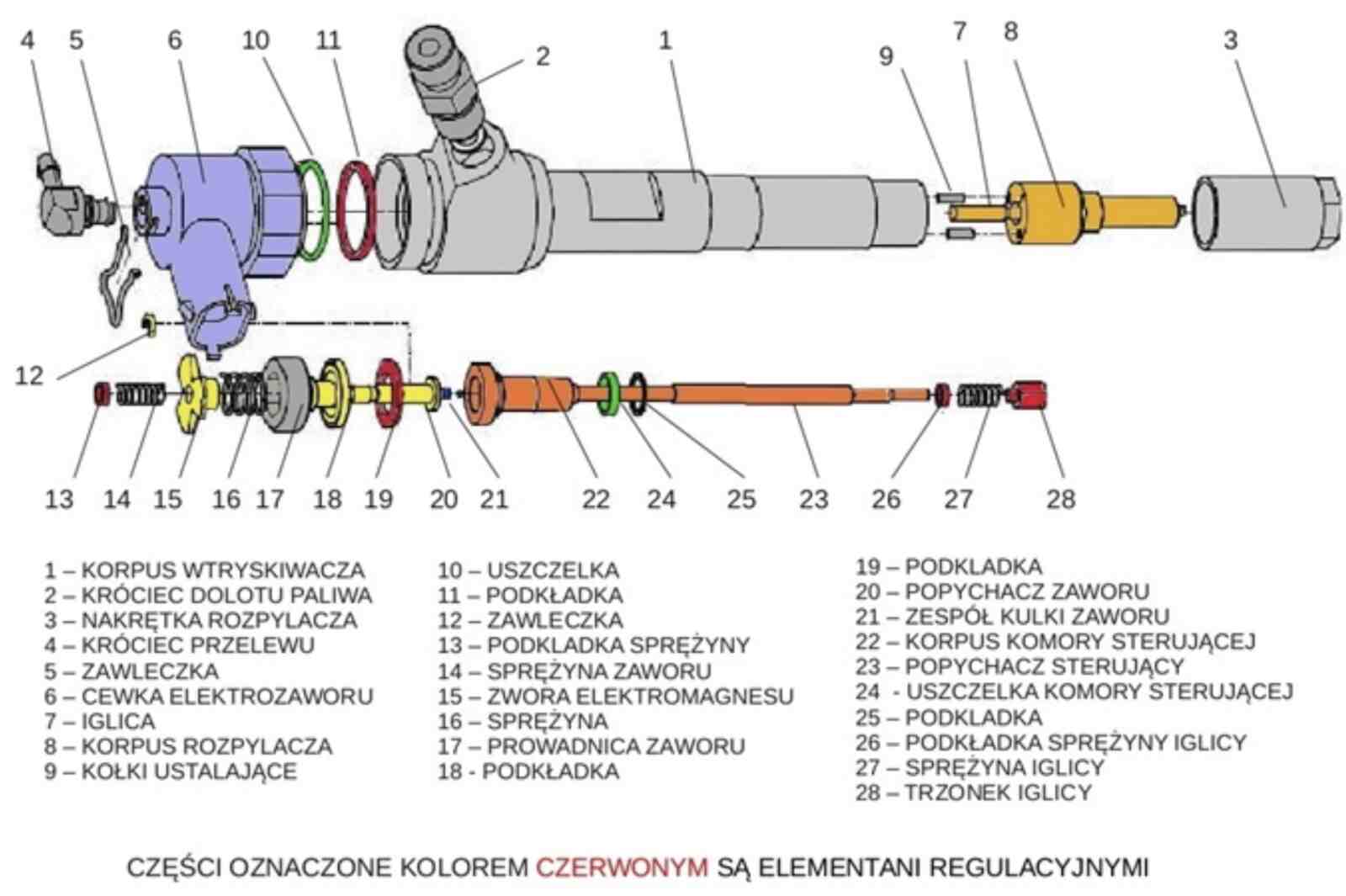
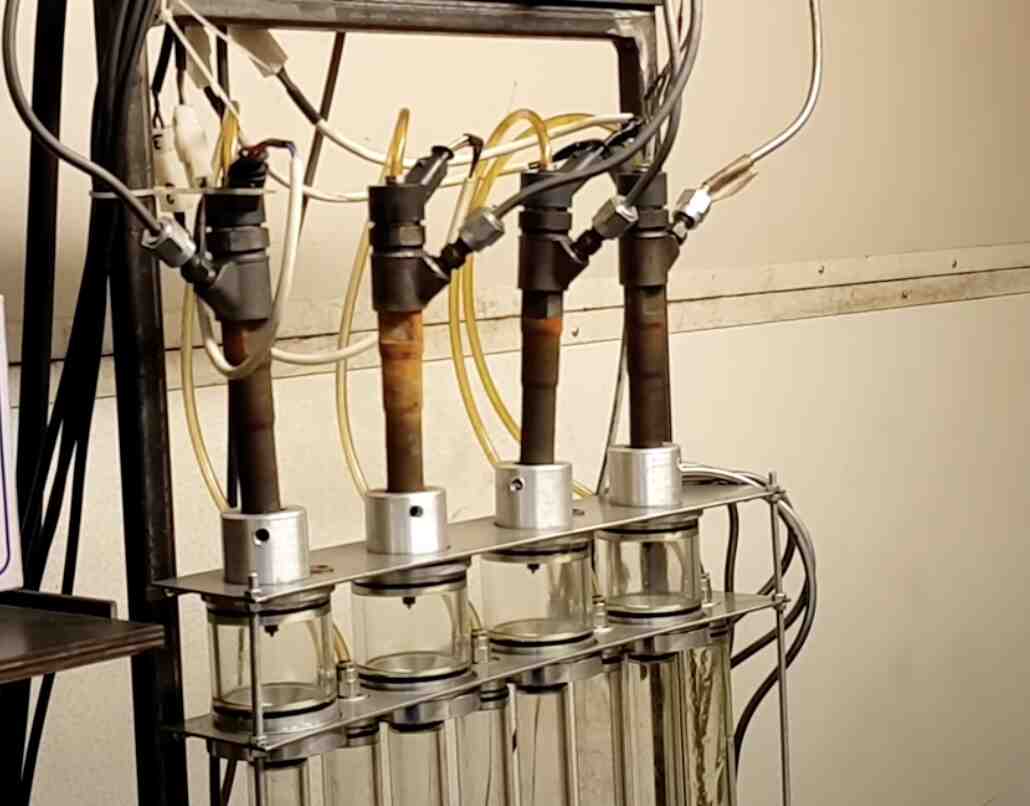
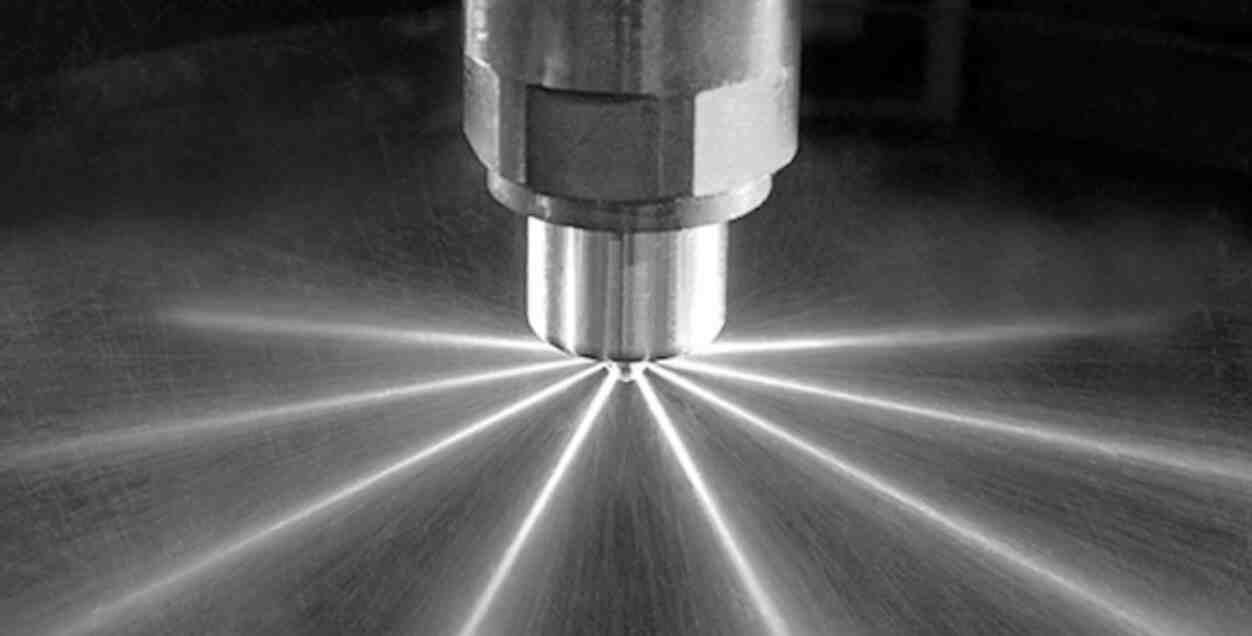
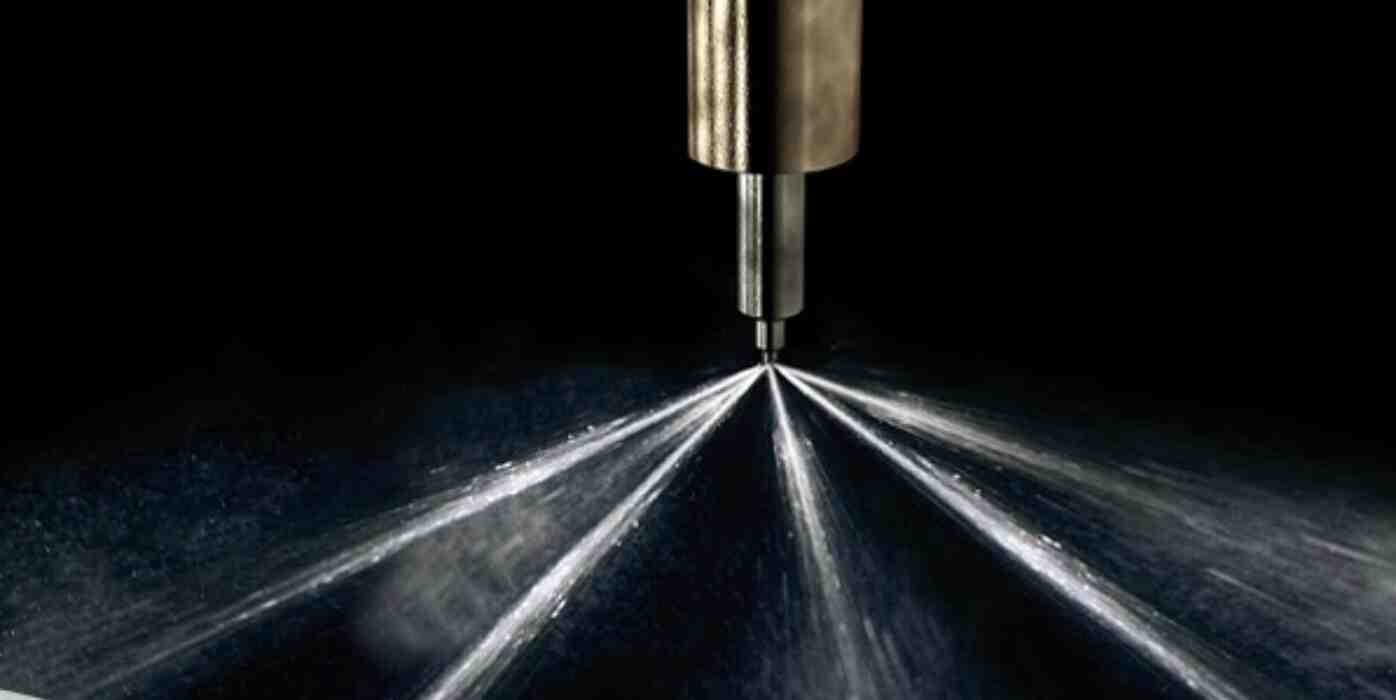
Injectors are small but very important parts of a diesel engine. Their task is to inject fuel into the engine’s combustion chamber in a very precise way. It is a bit like a good firefighter, who must aim the stream of water perfectly to put out a fire. Injectors must work very accurately so that the engine runs as well as possible.
The impact of injectors on engine performance and ecology
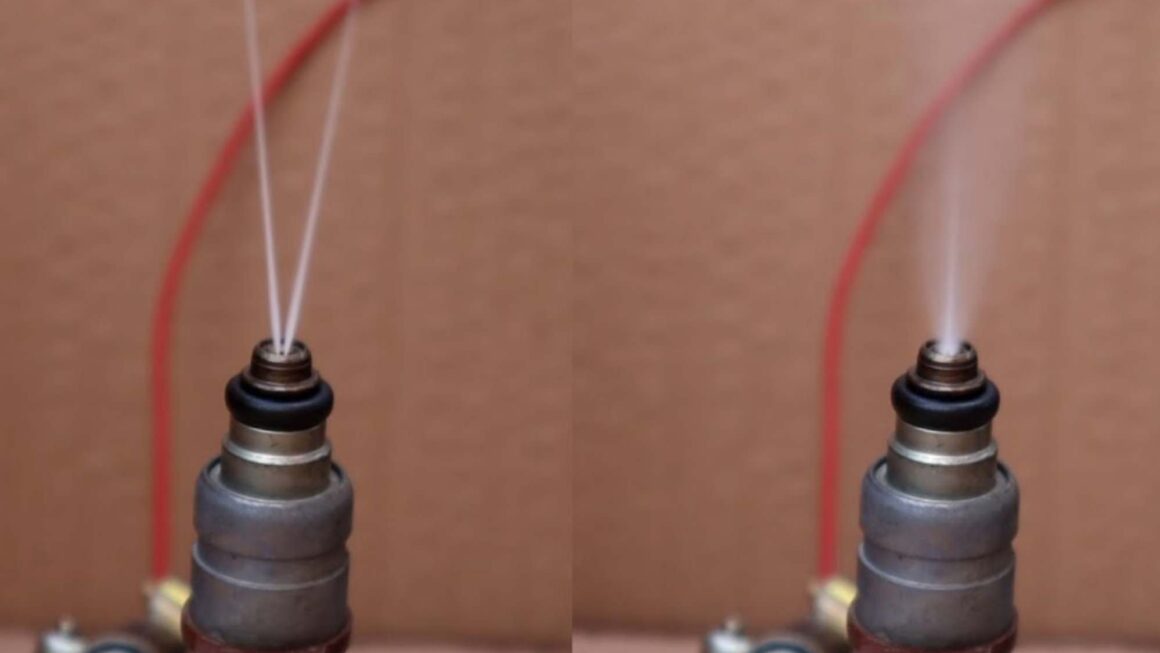
If the injectors work well, the car runs better, burns less fuel and is more “eco”. This is because well-atomised fuel burns better, and the engine can extract more power from it with lower consumption. In addition, when everything works as it should, the exhaust gases are cleaner, which is better for the environment. When the injectors are not in their best shape, this can lead to various problems, such as difficulty starting the car, weaker power or higher fuel consumption. And that is neither economical nor ecological.
3. Causes of injector damage and contamination
Injectors can break down or get dirty for various reasons. Imagine you have a paint spray gun, but instead of paint, something passes through it that can sometimes be a bit dirty. It is similar with injectors and fuel.
External factors affecting the condition of injectors
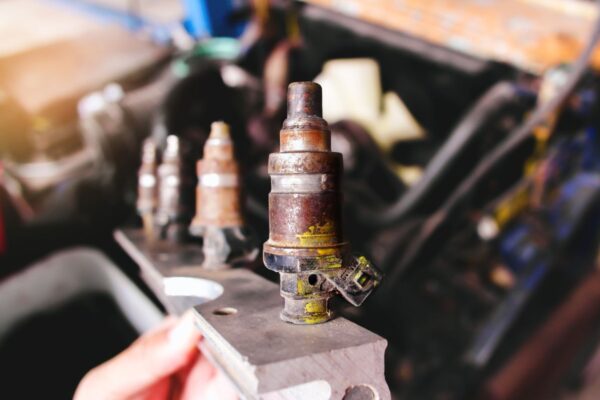
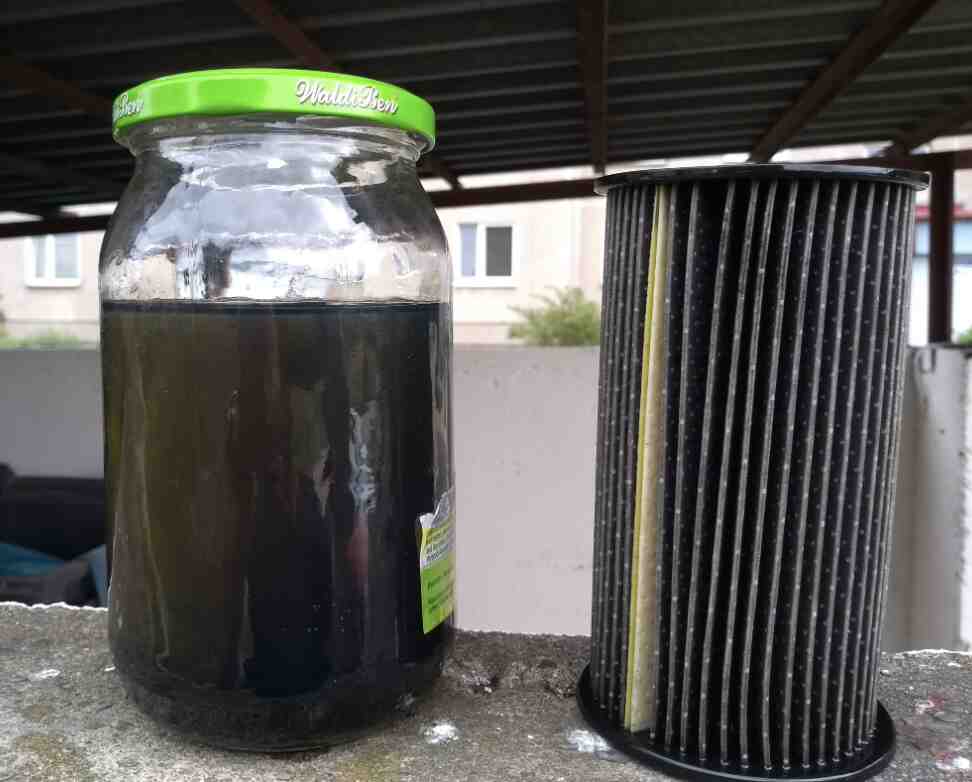
One of the causes can be contaminants in the fuel. Even small particles of dirt that sometimes end up in diesel can clog the injectors over time. It is a bit like a tap through which dirty water flows - after a while it can start to clog up.
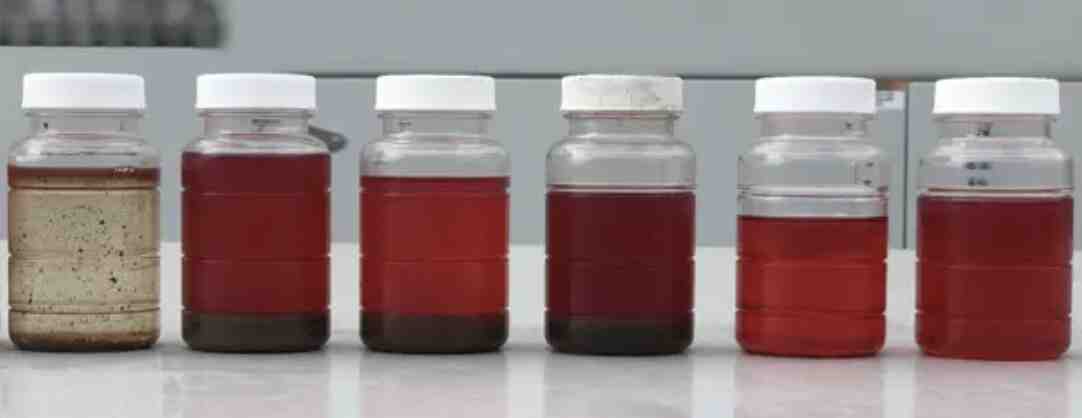
Another external cause can be moisture in the fuel, which promotes corrosion and can lead to injector damage. It is like leaving metal tools out in the rain - over time they will start to rust.
Internal causes of injector failure
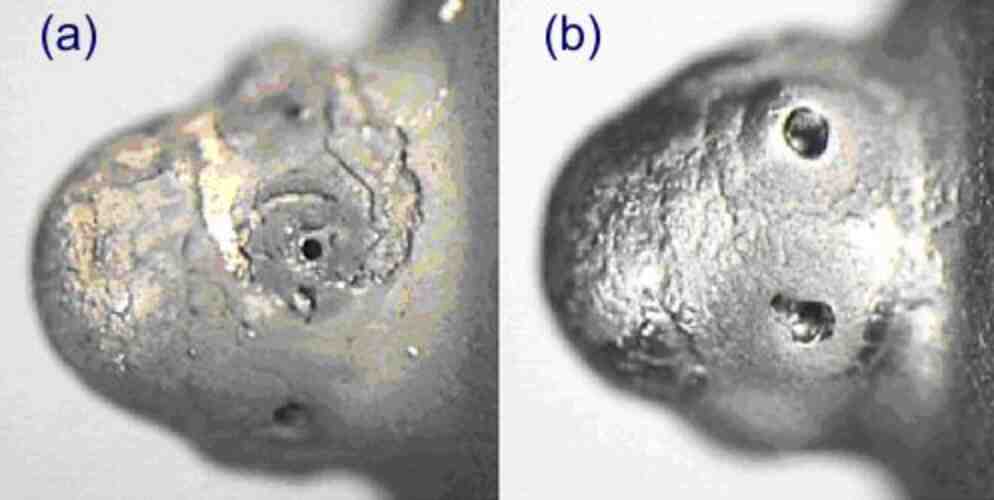
Sometimes it is not the dirt from outside, but the wear of the injector itself that causes problems. Through continuous operation, the components of the injector can wear out, which reduces their accuracy. It is like shoes that lose their original shape and comfort after many kilometres of walking.
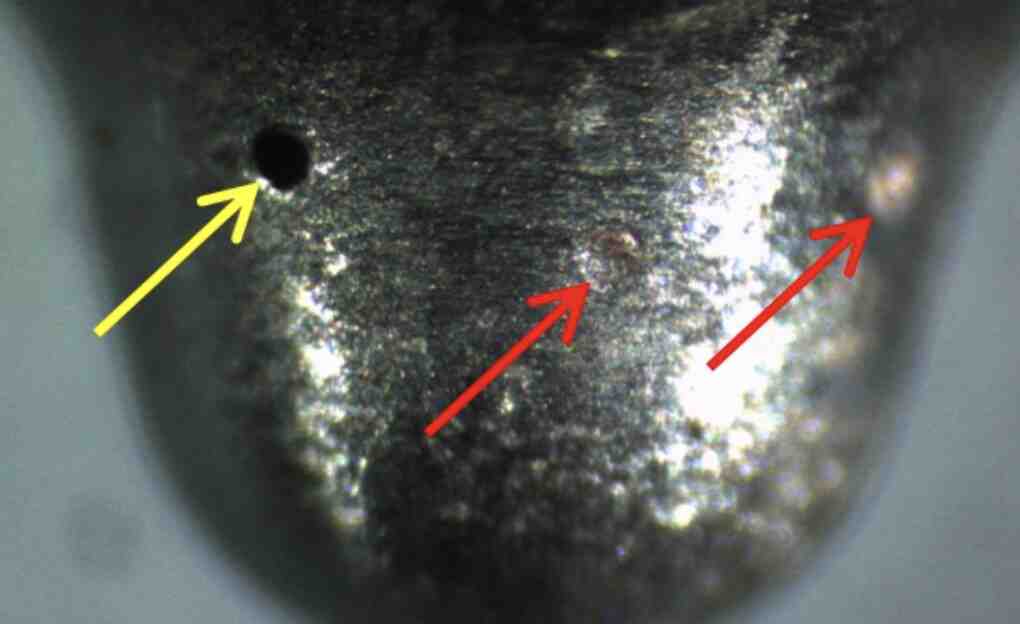
4. Symptoms and consequences of damaged or dirty injectors
When the injectors start to malfunction, the car lets you know about it in various ways: it misfires, is hard to start, smokes, and burns through a piston.
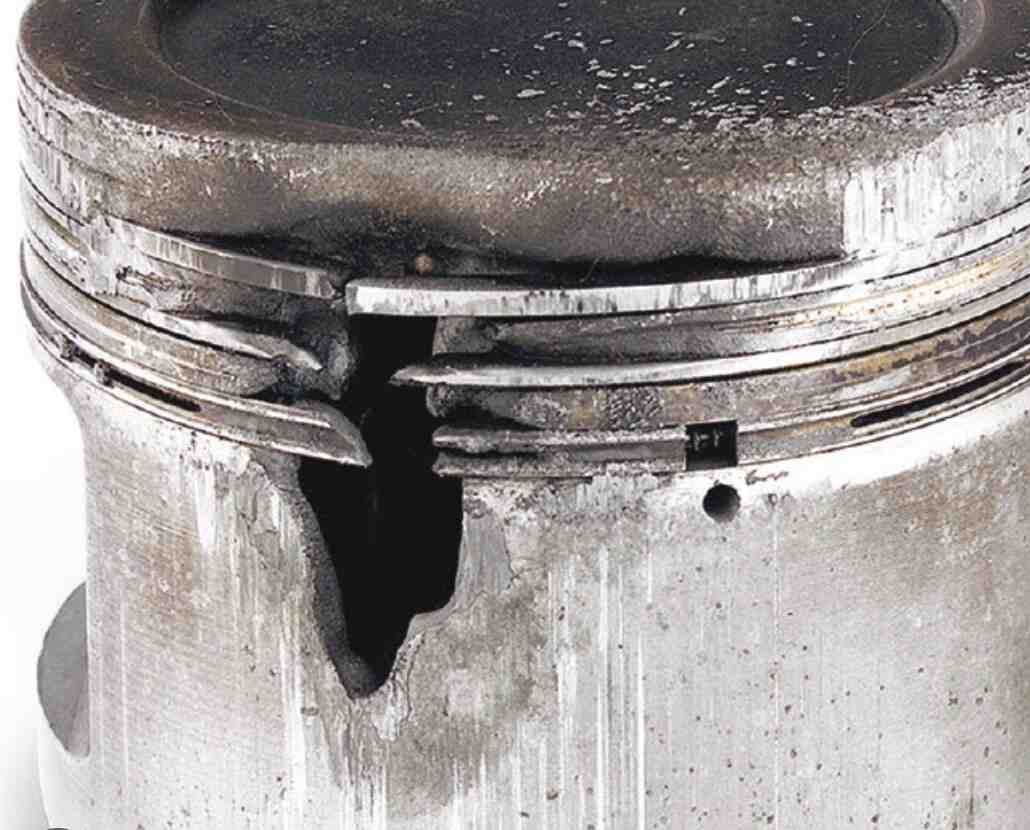
Reduced engine power and performance
If you feel that the car has suddenly become lazy, does not want to climb hills as well, or loses strength while overtaking, this may be a sign that something is wrong with the injectors. It is like a bike that suddenly becomes harder to pedal - something must be holding back its smooth operation.
Increased fuel consumption
If you notice that you have to visit the petrol station more often, even though you drive the same as usual, damaged injectors may be the cause. It is like a leaky bucket - more water escapes, even if you carry it just as carefully as always.
Emission of harmful substances
Black smoke from the exhaust pipe is not just a sign that the car is having a bad day. It can mean that the fuel is not burning properly, which causes the car to pollute more than it should. It is a bit like burning wet wood in a fireplace - there is more smoke and it is more harmful.

Potential engine damage and other technical problems
Ignoring problems with the injectors can lead to more serious engine failures. It is like neglecting a small hole in the roof - over time it can leak more and more, causing greater damage.
Remember that if your car gives you such signals, it is worth having it checked. It is better to prevent than to repair greater damage later.
5. Diagnosing injector problems
When you suspect that something is wrong with the injectors, it is time for a little investigation to find out exactly what is going on. You do not have to be a detective, it is enough to know a few tricks.
Methods of detecting injector damage
One way is to listen to how the engine runs. If you hear uneven sounds, misfiring, this may be a sign that the injectors are not working as they should. It is like listening to whether something is knocking or squeaking on a bike when we ride.
You can also see how the car drives on the road. If it smokes heavily black or loses power, this can also indicate problems with the injectors. It is a bit like a truck that suddenly slows down uphill - something must be holding it back.
At the workshop, the mechanic can connect the car to a special machine that will check how the injectors are working. It is like a thorough examination at the doctor, who uses various devices to see what is wrong with us.
Diagnostic tools and their use
Modern workshops have devices such as diagnostic computers that can “talk” to the electronics in the car. Thanks to this, the source of the problem can be found quickly. It is like having a super-smartphone that tells you where your nearest bike repair shop is when you get a flat tyre.
6. Repair and maintenance of diesel injectors
Once you know that the injectors have a problem, it is time to act. Not all is lost, and the right steps can restore the car to form.
Cleaning and repairing injectors
Sometimes a thorough cleaning of the injectors is enough to make them work like new again. It is a bit like a thorough wash of a bike after riding in the mud - suddenly it zooms along nicely again.
If the injectors are more damaged, they may need to be repaired or replaced with new ones. It is like replacing a worn tyre on a bike - sometimes it is simply better to fit a new one to keep going without problems.
Preventing injector problems
The best way to avoid problems with the injectors is regular maintenance, filling up the tank completely, refuelling where the fuel is used all the time, and driving the vehicle constantly so that the fuel in the tank does not sit too long, but also so that there are no contaminants in the tank you have to add fuel additives because fuels do not clean by themselves. It is like regular bike inspections and using good chain oil - it helps to avoid bigger problems in the future.
When should injectors be replaced?
Sometimes, despite all efforts, the injectors simply wear out and need to be replaced. It is normal that after many kilometres on the road, parts wear out. It is like a bike, whose parts also sometimes need to be replaced so that it continues to serve well.
Remember that proper care of the injectors is the key to a long and happy life for your diesel. It is better to prevent than to repair greater damage later.
How often should you add cleaning additives?
Additives such as TEC 2000 Diesel System Cleaner should be added once a year or every 10 thousand km if the car is driven around the city, and every 40 thousand if the car is driven on motorways, because every fuel ages, and the fuel itself does not wash out contaminants. Contaminants from Diesel are not washed out by petrol or nitro, and it is the same with petrol, where a large amount of water accumulates due to the amount of alcohol, and in diesel due to the fuel additives separating out.