Water in engine oil is a phenomenon that is considered natural. But what happens when there is too much of the fluid? Where does water in the engine come from and how can you get rid of it? You will find all the answers in the text below.
Water in engine oil - causes
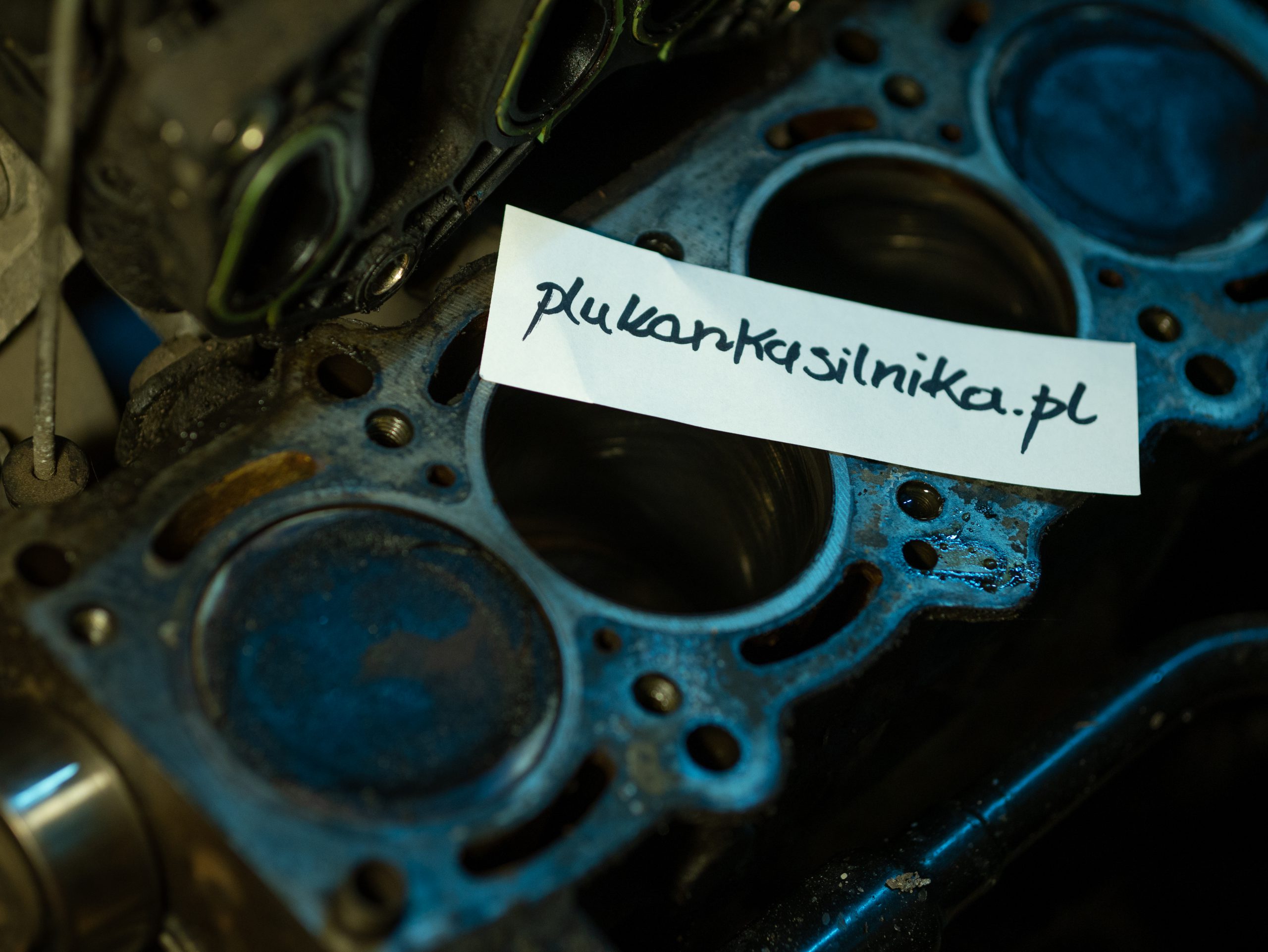
How can water get into the engine oil? The first and, unfortunately, very alarming way is the fluid getting in from the cooling system. This indicates a serious engine failure and will involve costly repairs - it is probably linked to damage to the cylinder head gasket.
The problem of water in the engine may also occur when the car is used on short distances, when the water has no chance to disappear naturally from the engine oil. In such a situation the unit does not reach the required temperature, which causes a reduction in the oil’s properties and, in extreme cases, leads to corrosion. On a longer route this problem does not occur, because the engine heats up enough that the small amounts of water evaporate.
It should be remembered that an under-heated engine may also be caused by a faulty thermostat that remains permanently open and prevents the engine from warming up.
Water in oil - symptoms
As you could read above, water in the oil may be so-called condensation water, that is the result of significant temperature differences inside and outside the engine. More of it will therefore appear in the autumn and winter period and when your trips are relatively short. If, however, you notice a rising water level in the expansion tank, it means you may be dealing with a fault - it indicates the formation of a leak between the oil line and the water line, which should not occur in a properly functioning drive unit. Most often it concerns damage to the cylinder head, the head gasket, erosion of the block at the edge of the cylinders and leaks in the exhaust gas recirculation system. If you wait too long and ignore the first symptoms of too much water in the engine oil, you must reckon with a sudden failure and a costly engine overhaul.
Your attention should certainly be drawn to the characteristic white sludge that you will find when checking the oil level. In extreme cases the emulsion may appear even in the crankcase breather hose or in the air filter housing.
Water in the engine oil - how to check?
At the very beginning it will be good if you determine the cause of the water appearing. You can do it on your own. Start by unscrewing the cap of the expansion tank and check whether the coolant is not running low and assess its clarity. If the fluid level is fine and you have not noticed any contamination, the head gasket should not be damaged. In a situation where the fluid is not clean, but you see that it is not running low, the mechanic should carry out an exhaust gas content test. In the case of exhaust gas content, there will be fluid being pushed out of the tank, an increase in pressure in the cooling system, bubbling in the tank, white smoke, a sweetish smell of the exhaust gases and the fluid running low.
How to remove water from engine oil?
Water in the engine oil should be removed as soon as possible. So start by replacing the water-contaminated oil with new oil. If the amount of water was large, you can fill the tank with a cheaper oil whose task will be to take over the remaining contaminants and fluid, and go to a workshop to verify the efficiency of the cooling system. Then use the target product suitable for your car.
In the context of water in the oil, it is also worth changing your habits. The point is to avoid driving the car on very short routes in winter. A much better solution for your health and the condition of the engine will be a walk to the shop or to another nearby place. When temperatures are low, you can also, once every few days, take a drive of at least an hour and let the engine warm up and rid itself of excess water on its own.