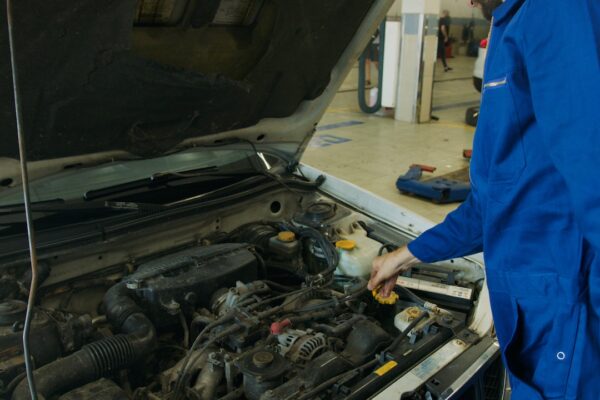
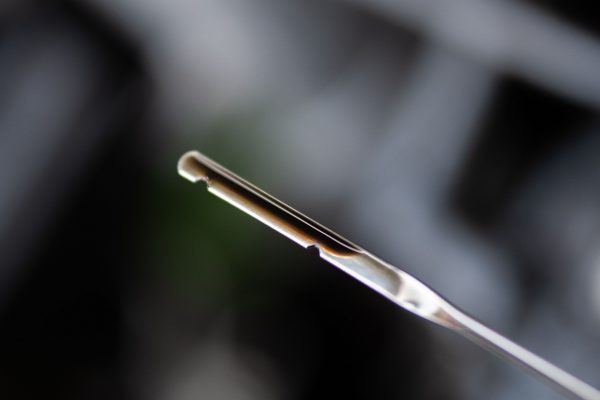
With a cracked piston or significant piston damage, the vehicle’s engine will not run properly and we will feel its rough operation. A characteristic knocking sound will be heard, and white smoke may come out of the exhaust pipe. If we notice such symptoms, it is best to head to a diagnostic station as soon as possible - a damaged piston can be dangerous for the entire drivetrain.
A damaged piston - symptoms
The first sign indicating damage to this component may be difficulty starting a cold engine. It is hard, however, for this to clearly point to a cracked piston - such problems appear in many other cases and may also concern an ignition fault, the fuel supply system, or the injectors.
We will be more strongly directed by combining this with the characteristic knocking and ringing of the pistons in the cylinders, which will occur primarily at low revs. This will be accompanied by a major loss of power, making it impossible to reach maximum speeds.
In the case of piston damage, there will also be oil from the lubrication system passing through the leaks into the combustion chambers. In such a case, white smoke will come out of the exhaust pipe of a warmed-up engine, and the engine will consume significant amounts of oil. This will cause its considerable loss, far exceeding the specified limit. This can be partly remedied by using an oil with a much higher viscosity than recommended - this is, however, only a temporary method, which in the long run can definitely do harm by clogging filters not adapted to such a density of the lubricant.
For the same reason, in diesel engines we will instead observe black smoke, indicating incomplete combustion of the fuel as a result of too low compression pressure, or faulty operation of the injection system, or its wear (leaking injectors).
How to prevent piston damage?
As I have mentioned many times in other posts, particularly dangerous for the engine is carbon deposit, that is the carbon buildup formed as a result of the combustion of unburned fuel and oil particles, as well as the many impurities that have entered the engine from the outside.
Replacing the fuel filter
So if we want to protect the piston from damage, we must make sure that the drivetrain is in excellent condition and prevent any impurities from getting inside it. To this end, regular replacement of the air filter is essential, as it is responsible for protecting the engine against unwanted contaminants from the outside. Unfortunately, this is a task that is routinely neglected by drivers, which later turns out to be disastrous in its consequences.
Manufacturers recommend replacing the air filter after driving from 15,000 to 40,000 kilometers. This is, however, only a general guideline - in reality it depends on many factors, the most important of which is the way the vehicle is used. It is therefore best to check the condition of the filter yourself and react if we see that it is already quite heavily contaminated.
Engine flush
It is also worth performing cleaning the engine of carbon deposits from time to time. Using the engine flushes available on the market, we can easily get rid of the dirt lingering in the drivetrain and restore optimal working conditions to all components. Such prevention allows us to guard against piston damage and protect the remaining engine components.
After carrying out such a process, we will also feel a difference in driving comfort - compression will increase, the revs will be regulated, and oil consumption will stabilize.
Caring for the fuel system
Piston damage can also occur as a result of its overheating and a sudden surge of pressure inside the cylinder. This can happen in the case of improper combustion of the fuel-air mixture. It will cause the seizing of the piston’s side surface and may lead to its cracking.
The same effects can be caused by an insufficient amount of oil on the guiding part of the piston. If the dose of lubricant is too small due to incorrect injection, an adequate oil film will not form and the piston will not have proper protection against friction.
Regular replacement of the timing belt
A component that should also be replaced regularly is the timing belt, which regulates the operation of the valves and their opening and closing at the right moment, by synchronizing the crankshaft and the camshaft.
Why is regular replacement of the timing belt so important? Because a broken timing belt can lead to really serious damage. The pistons strike the valves, which causes them to bend and crack and results in irreversible damage. In the worst case, the valve guides will also be destroyed and damage to the connecting rod and the cylinder head may occur. This will entail the need to repair the entire engine, and the cost of such an operation will be really high.
It is not possible to clearly determine after what time the timing belt should be replaced, because it depends on the type of car and the drivetrain. Every design is different, which is why we should follow the recommendations of the car manufacturer. In most cases we will find out that it should be replaced after driving 150,000-200,000 kilometers. It is worth, however, doing it as a precaution even 50,000 km earlier and being sure that it will not break.
Take care of your engine and you will avoid piston failures
As you can see, all the failures listed above are caused by negligence. Pistons are, after all, among the most durable components of the engine, and they wear out very slowly. This means that if we provide them with proper operating conditions, we have nothing to worry about. It is therefore worth devoting a little time to proper care of the drivetrain - it is definitely better to prevent than to cure, and in this case repairs are very costly.
Pistons therefore suffer damage mainly as a result of external factors, which is why regular flushing is the best way to avoid problems. Personally, I recommend products from the TEC 2000 brand for this purpose. Their TEC 2000 Engine Flush has repeatedly saved even the most dire situations, restoring the engine’s proper parameters and providing excellent protection.