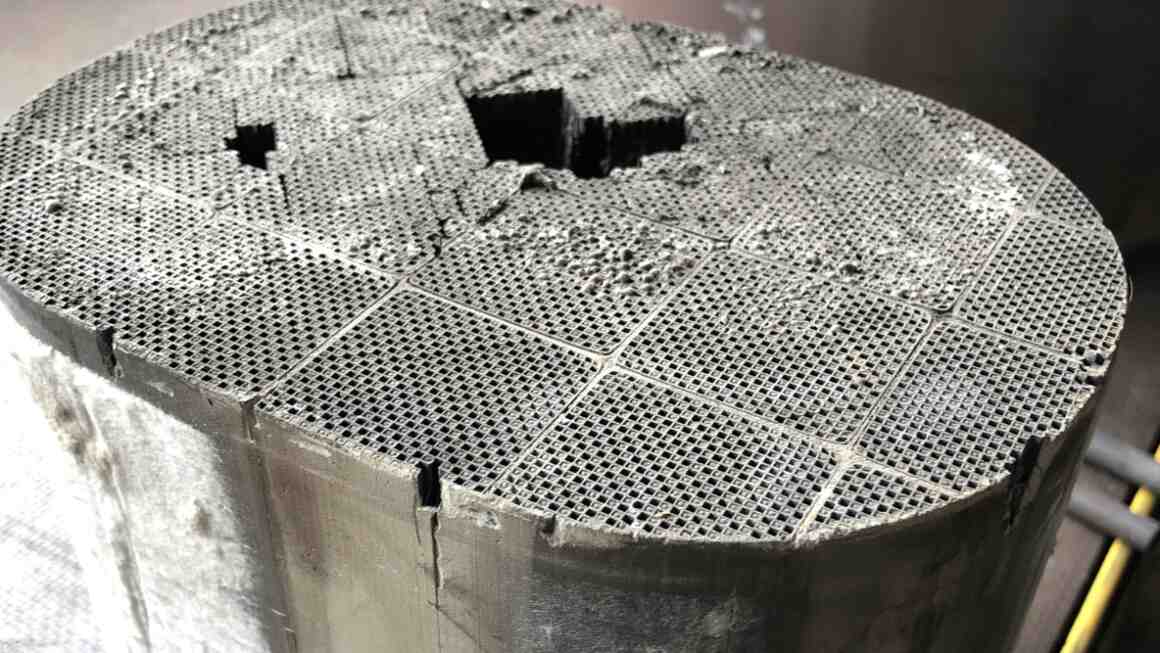
You are here because the filter has clogged and the workshop quote looks bad. The honest answer is that it can be removed, but the bill does not end at the workshop. This article explains what the job involves, what it actually achieves, what it does not, and the consequences nobody usually mentions.
What removing the filter involves
The job has two parts and both are needed for the car to run at all.
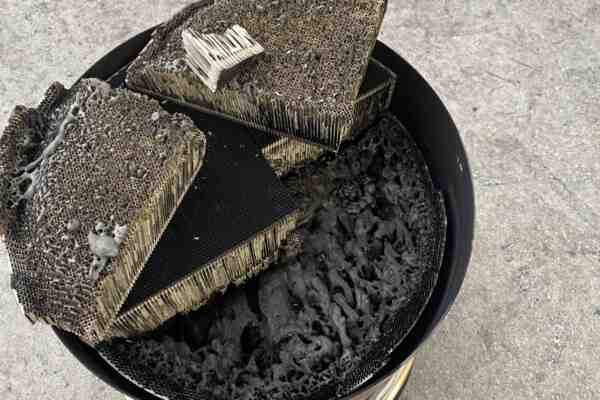
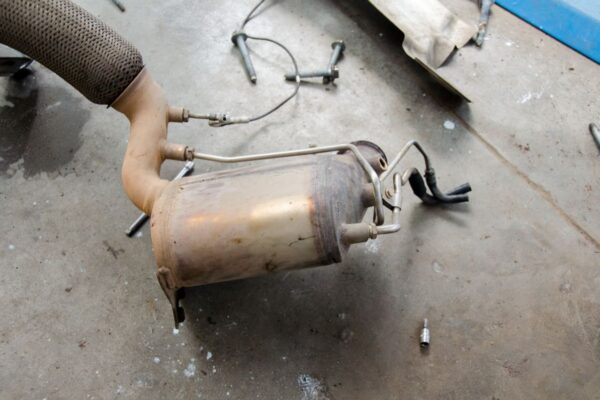
The mechanical part. The filter housing is cut out of the exhaust, opened up, the ceramic substrate is removed and the housing is welded shut again. Nothing shows from outside, because the housing stays where it was. Inside there is an empty pipe.
The software part. The ECU still calculates filter loading and tries to burn it off, so the software has to be altered to stop it. Without that the car drops into limp mode and throws faults.
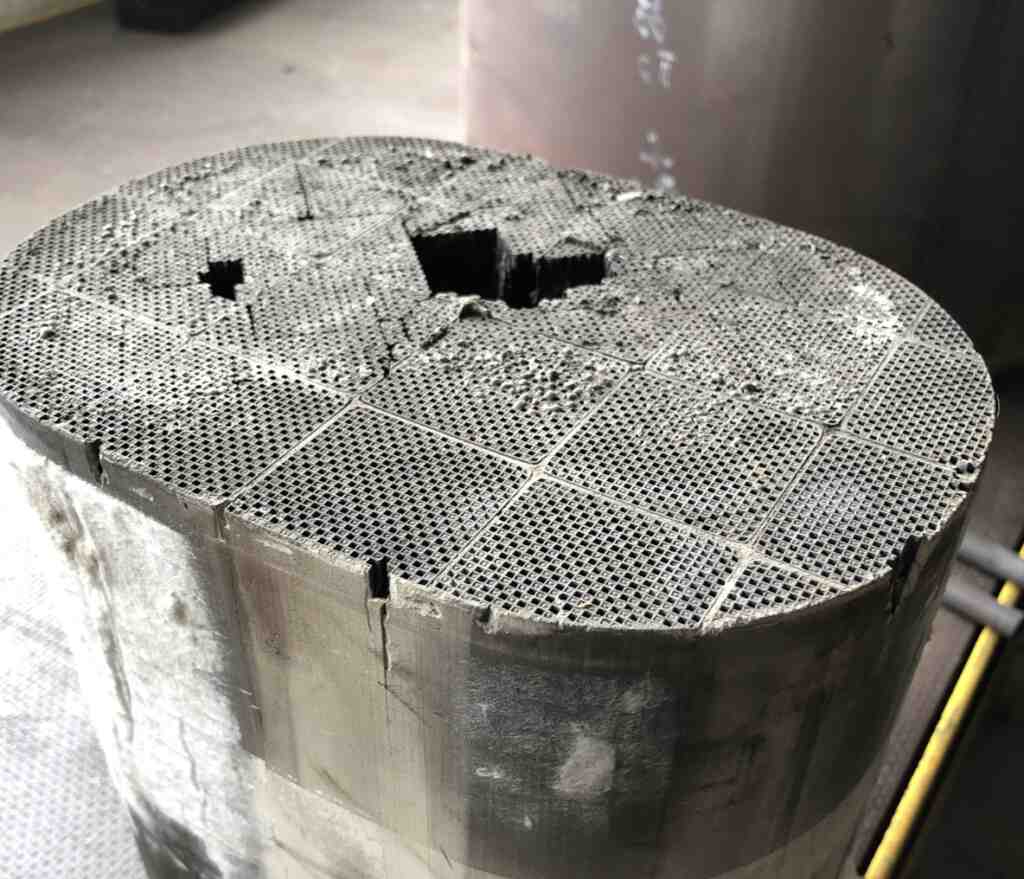
Technically it is not complicated, which is exactly why it tempts people. The problem lies elsewhere.
This is not a modification, it is tampering with type approval
A particulate filter is part of the emissions control system on which the car received its type approval. Once it is removed, the vehicle no longer meets the technical conditions under which it was allowed on the road. In Poland and across the European Union this is unlawful.
There are four consequences and they are worth knowing before rather than after.
The roadworthiness test. The inspector is required to check that the emissions control system is complete. A missing filter is grounds for a fail. More and more EU countries are also introducing particle number measurement, which detects a gutted filter without fail. The classic opacity test could be blind to it, and that blindness is what made this modification popular in the first place.
Insurance. A vehicle that does not match its type approval gives an insurer grounds to dispute a claim. It does not mean automatic refusal, but it hands them an argument they did not have before.
Selling the car. Concealing a gutted filter from a buyer is a defect in the goods sold. A buyer who discovers it has something to come back with.
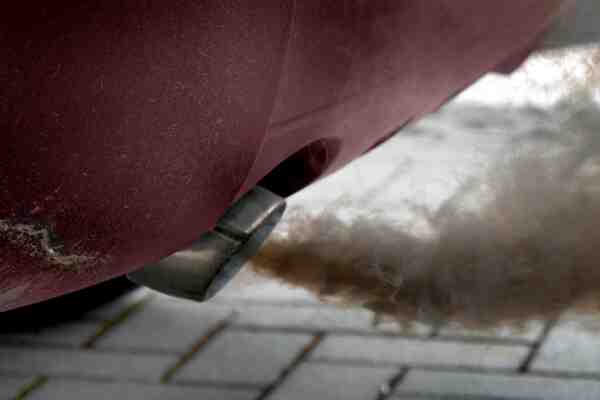
The air. What the filter used to catch now goes into the atmosphere. Diesel particulates are fine enough to travel deep into the lungs. That is not a legal argument, just the truth about what happens.
What it really costs
The arithmetic gets more interesting once the options sit side by side.
Cutting it out with a remap is usually the cheapest move on the day. Bench cleaning the filter, which washes the ash out, costs more but leaves the car legal. A used filter from a breaker sits in between. A new original filter is the most expensive and rarely stacks up on an older car.
The cut-it-out column, though, needs entries the quote does not show: restoring a filter before sale or dropping the asking price, the risk of failing a test, the risk of an argument with an insurer. The gap stops being obvious.
Before costing anything, check one thing: whether the filter really needs replacing. What workshops call a filter failure is really four different states and only one of them means replacement. We separated them in the article on DPF failure symptoms. Sometimes a completed regeneration or a cracked sensor pipe is the whole story.
Why the filter clogged
A blocked filter is almost never the cause, it is the result. Cut it out without removing the reason and the same thing returns in another form.
The usual reasons are driving nothing but short trips, so regenerations never get to finish, and excessive oil consumption, whose additives leave incombustible ash in the filter. We covered this in the articles on DPF and fuel consumption and a clogged filter.
One more thing has to be said plainly, and it does not flatter us: no engine flush will unblock a particulate filter. A flush works in the oil circuit and never reaches the exhaust. It can indirectly slow the filter silting up, because cleaner ring grooves mean less oil burned, but that is prevention, not repair.
Buying a used diesel? This is how you spot a gutted filter
This part is useful whatever you intend to do yourself, because such a car is easy to buy unknowingly.
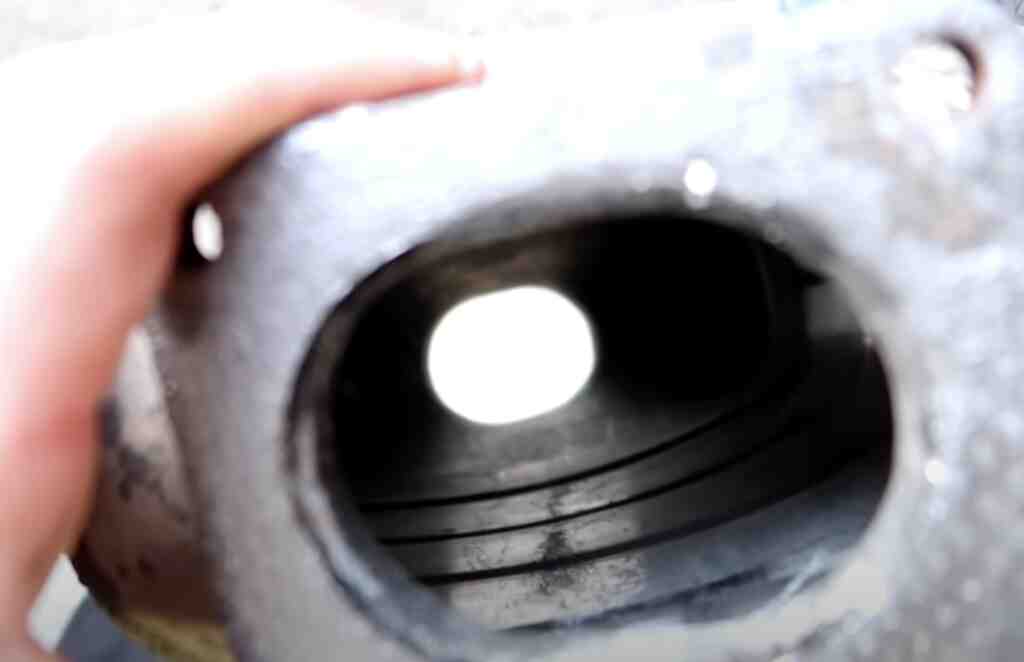
Look through the sensor port. With the temperature sensor removed, an endoscope or a torch shows the ceramic substrate. If you see light coming through from the other side, there is no substrate.
Look for a weld. To take the substrate out, the housing has to be cut open and welded. A fresh, uneven seam on an old corroded exhaust speaks for itself.
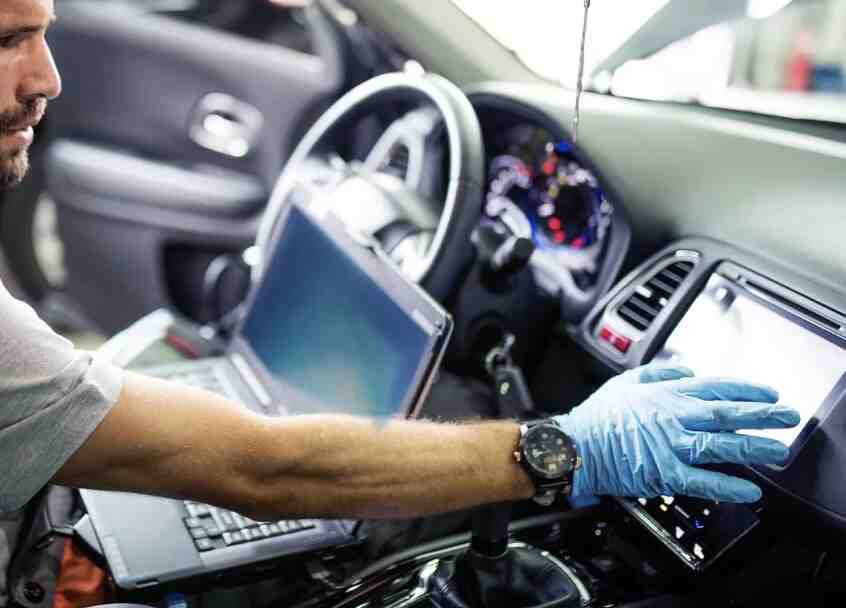
Plug in a diagnostic tool. This settles it fastest. With the filter gone and the software altered, loading parameters disappear or sit frozen at zero at every engine speed.
Tap the housing. A crude method, but it tells you something. A full filter sounds dull, an empty housing rings.
More ways to identify a filter and tell it apart from a catalytic converter are gathered in the article on how to check whether your car has a DPF.
What removal actually delivers, and what it does not
It is worth separating what genuinely changes from what people assume changes.
Consumption does drop, just not for the reason usually given. The saving comes from regenerations disappearing, not from any supposed flow restriction, which on a free-flowing filter was small. The same saving is available by letting regenerations finish, which we cover in the article on DPF and fuel consumption.
There is no power gain, provided the filter was flowing freely. The sense of extra power comes from comparing against a car that was driving around with a blocked filter and reduced output.
Faults do not go away. One component disappears, but the cause that was clogging it stays and shows up elsewhere: in the exhaust gas recirculation valve, in the injectors, in diluted oil.
If the filter really is saturated with ash and the car has years left in it, the honest options are service cleaning or a used filter. Both leave the car as it was registered.