A propped-open valve is a valve that never fully closes. That is not the same fault as worn valve stem seals, even though both end with smoke at the tailpipe. Propping costs you compression and burns the valve face. Stem seals let oil into the chamber. Telling them apart matters, because the repairs are nothing alike, and a leak-down test settles it in about fifteen minutes.
What “propped open” actually means
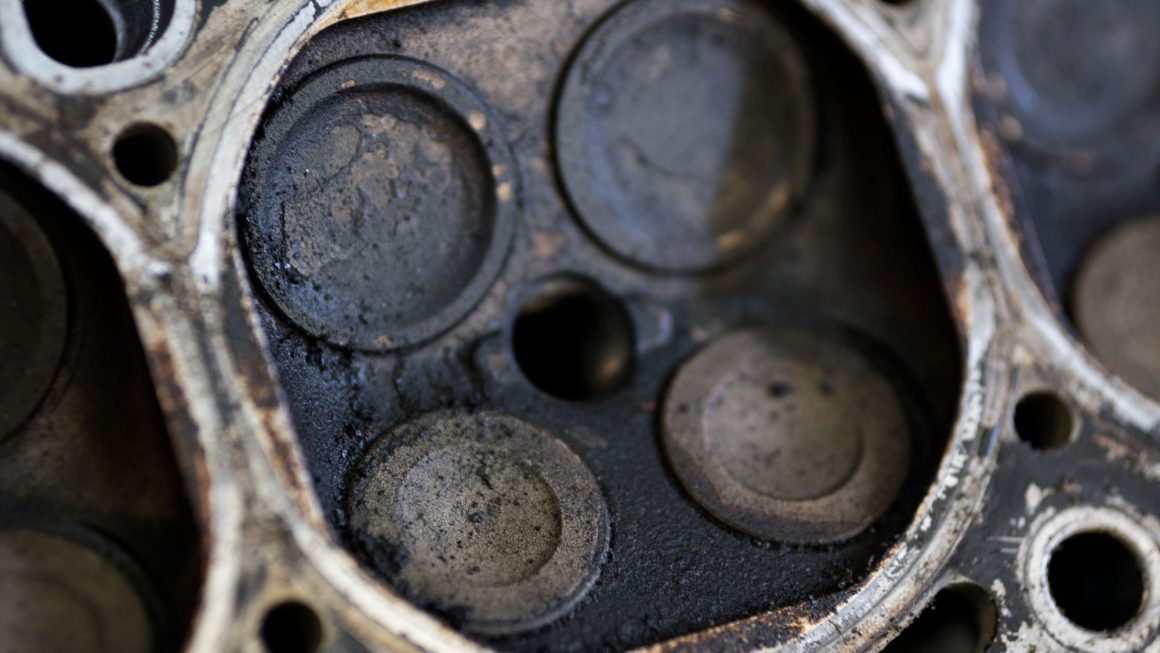
A valve is supposed to sit on its seat across the whole face. A propped valve rests on something that gets in the way and stays open by a fraction of a millimetre. That is enough for pressure to escape during compression, and for hot exhaust gas to force its way through the gap and burn the edge of the head.
A valve sheds most of its heat through contact with the seat. With no contact, there is nowhere for that heat to go. Exhaust valves fail first for this reason, and the damage accelerates: the more scorched the face, the worse it seals, and the worse it seals, the hotter it runs.
Where propping comes from
Usually from someone’s hands rather than from mileage. The common causes:
- Valve clearance set wrong, especially after a rough adjustment or a timing belt job.
- Bad head machining: seats cut at the wrong angle or too deep, so the valve sinks into the seat and loses its clearance.
- Mixing used parts at different stages of wear, an old valve dropped into a freshly cut seat.
- Carbon on the stem and in the guide, holding the valve off its seat. This is the one case that is sometimes reversible without pulling the head.
- A damaged or badly fitted valve spring, which introduces a bending moment and wrecks the guide along with the seal.
The last two connect to the subject of deposits, and there a clean oil system genuinely matters. Carbon on its own is rarely the whole story, though, so treat it as a circumstance rather than a diagnosis.
What you notice from the driver’s seat
The engine runs rough at idle and smooths out as revs rise. Power is down with nothing on the dashboard to explain it. A warm engine starts worse than a cold one, which is the opposite of what most faults do. In bad cases you hear single pops through the intake or the exhaust.
One cylinder misfires more than the rest, and that is usually the culprit. Pull the plugs: the one from the propped cylinder tends to look noticeably cleaner, or the opposite, wet with fuel, depending on how much mixture burns at all.
Propped valves and oil burning: why the two get confused
This is the most common mix-up in the whole subject, and worth untangling before you spend money on the wrong repair.
Oil reaches the combustion chamber through the valve stem seals, the small rubber caps on the guides. Once they harden, oil from the valve cover runs down the stem. A propped valve does not pass oil by itself.
There is a connection, but an indirect one. The same assembly errors that prop a valve also ruin the guide and destroy the seal. A stem rattling in a worn guide gives the seal no chance, however new it is.
You can separate the symptoms by when the smoke appears:
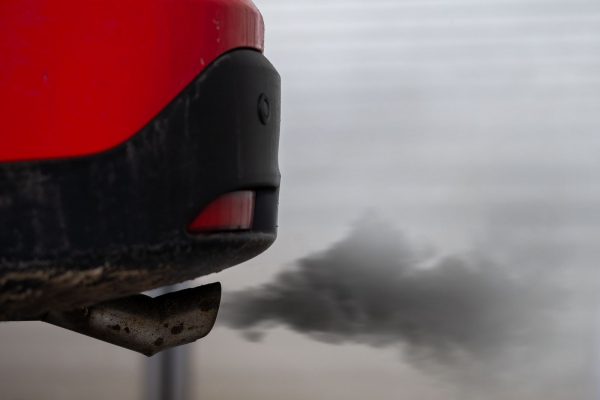
- Blue smoke on startup after standing overnight, clearing after a few seconds: stem seals. Oil pooled on the valve while the car sat.
- Blue smoke after a long stretch of engine braking, coming down a hill for instance: stem seals again, this time pulled through by vacuum.
- Lost power, rough running, popping, with little smoke: a leaking or propped valve.
- Steady blue smoke under acceleration: more often rings than anything in the head.
Compression test or leak-down test
A compression test tells you the pressure in a cylinder is low. It does not tell you where that pressure goes, and that is the whole difference between a stem seal job and a head rebuild.
The leak-down test settles it. With the cylinder at top dead centre you feed in compressed air and listen for where it escapes.
| Where you hear it | What it means |
|---|---|
| hissing in the intake manifold | leaking intake valve |
| hissing at the exhaust pipe | leaking or propped exhaust valve |
| hissing at the oil filler or breather | piston rings, not the head |
| bubbles in the coolant expansion tank | head gasket |
This single test saves more money than anything else in engine diagnosis, and it still gets skipped too often. If a garage proposes a head rebuild on the strength of a compression test alone, ask for a leak-down test before you agree.
Valve clearance: too much and too little hurt differently
| Too much clearance | No clearance | |
|---|---|---|
| What you hear | metallic tapping from the top of the engine | nothing, and that is the trap |
| What happens to the valve | opens for less time, hammers into the seat | never seats, never sheds heat |
| Where it leads | worn lobes and followers, carbon on the stem | burnt valve face, falling compression |
| How urgent | adjust at the next opportunity | the longer you wait, the more it costs |
Against intuition, zero clearance is the dangerous one. Tapping is audible and sends people to a garage, while a quiet engine with no clearance will happily burn its valves over ten thousand miles.
What a flush will not fix here
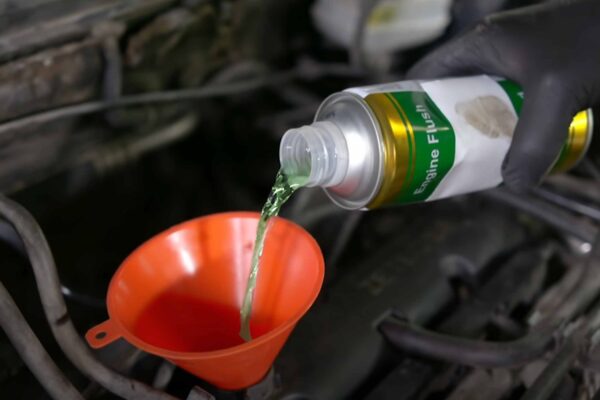
A mechanically propped valve is geometry, not dirt. No additive poured into the oil will rebuild a valve face or correct a badly cut seat. We say so plainly, because the question keeps coming back on forums along with the hope that chemistry can spare you the repair.
There is one exception worth knowing: a valve stuck with deposits in the guide, in an engine run on top-ups and stretched oil changes. Cleaning the carbon there sometimes works, because nothing is burnt or worn out yet. Diagnosis decides that, not guesswork. Once compression has dropped, chemistry is too late.
What actually helps: keeping to oil change intervals and not postponing valve adjustment on engines that need it. For when cleaning the oil system makes sense and when it does not, see our engine flush guide and the safety data sheet database, where you can check what each manufacturer actually declared.
FAQ
Can you drive with a propped valve?
You can, but the damage progresses. A valve that cannot shed heat into its seat scorches further, and the repair bill climbs with it: from a simple adjustment, to one replaced valve, to cutting seats and skimming the head.
How do I know it is the seals and not the valves?
By when it smokes. Stem seals smoke on startup after standing and after engine braking, and the car runs clean in between. A leaking valve costs you power and upsets the idle, but usually makes little smoke.
What does the checking cost?
A compression test is typically half an hour and a small charge. A leak-down test costs more, because it takes longer and each cylinder has to be positioned separately, but it is the only one that shows where the pressure goes.
Will adjusting the valves fix the propping?
Yes, if wrong clearance caused it and nothing has burnt yet. No, if the face is already scorched or the seat badly cut. Hence the order: leak-down test first, decision second.
Do propped valves increase oil consumption?
Indirectly. They do not pass oil themselves, but they usually come with a worn guide and seal, and that is a direct path for oil into the chamber.