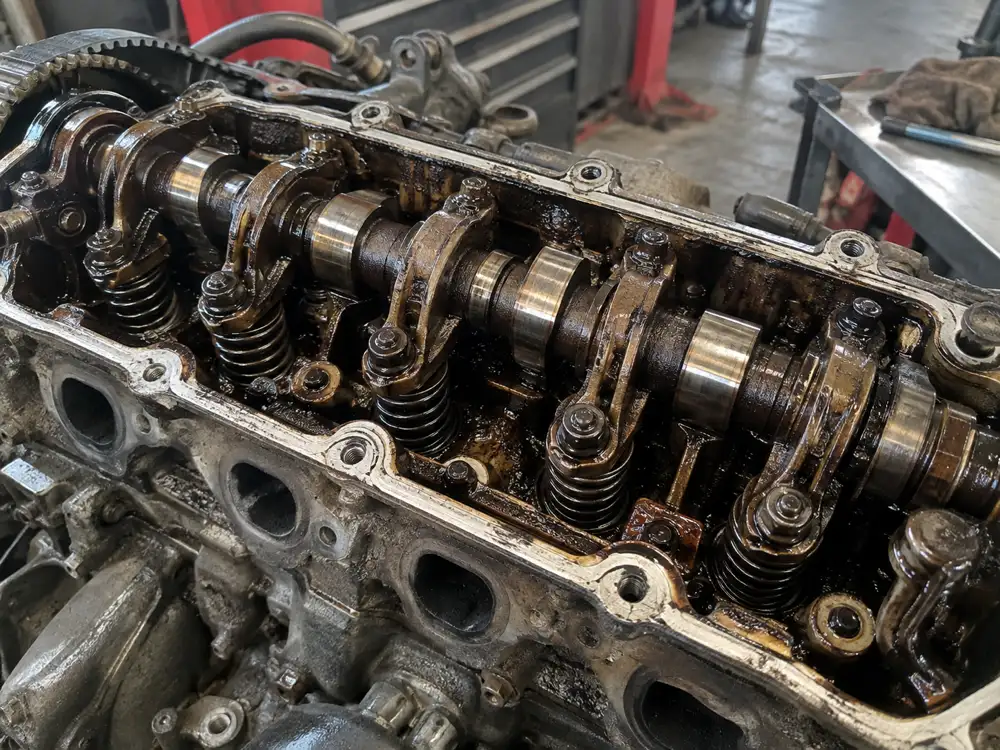
A correctly chosen engine flush will not cause leaks. The modern gentle ones carry lubricant alongside the solvent, so they are safe for seals. Leaks turn up in one situation only: a harsh kerosene product pulls sludge off a seal that had already gone hard and cracked on a high-mileage engine. The flush shows you […]
TEC 2000 vs K2 Engine Flush: Which Is Better? 2026 Comparison
TEC 2000 vs K2 Engine Flush: which one should you choose? Short answer: both are solvent-based engine flushes (oil-system flushes) built on aromatic solvents, and neither one is a “kerosene” product, whatever you may have read. The difference sits elsewhere. K2 Motor Flush is a cheap, single-ingredient solvent flush - around 11 PLN (about €2.50) […]
TEC 2000 vs Liqui Moly - Engine Flush Compared
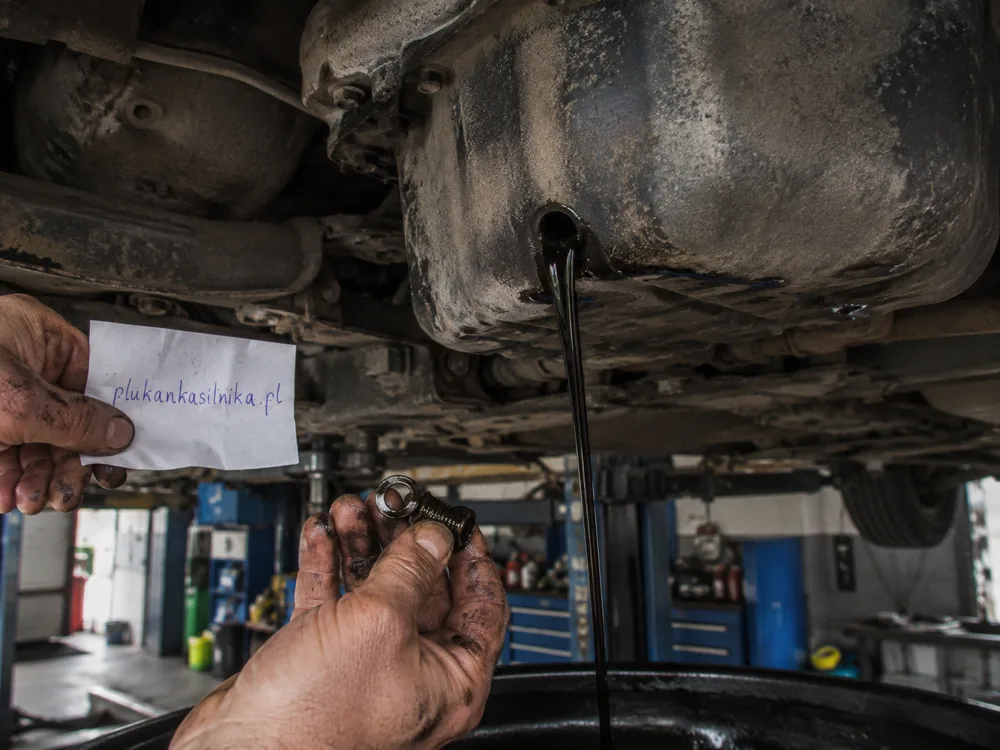
Pull the drain plug and watch what comes out. Sometimes it’s just dirty oil. Sometimes it’s black sludge and varnish stuck to the floor of the pan. A normal oil change never touches sludge like that. That’s where the question starts: TEC 2000 or Liqui Moly engine flush, and which one clears the oil galleries […]
Does Your Fuel Tank Have an Expiry Date?
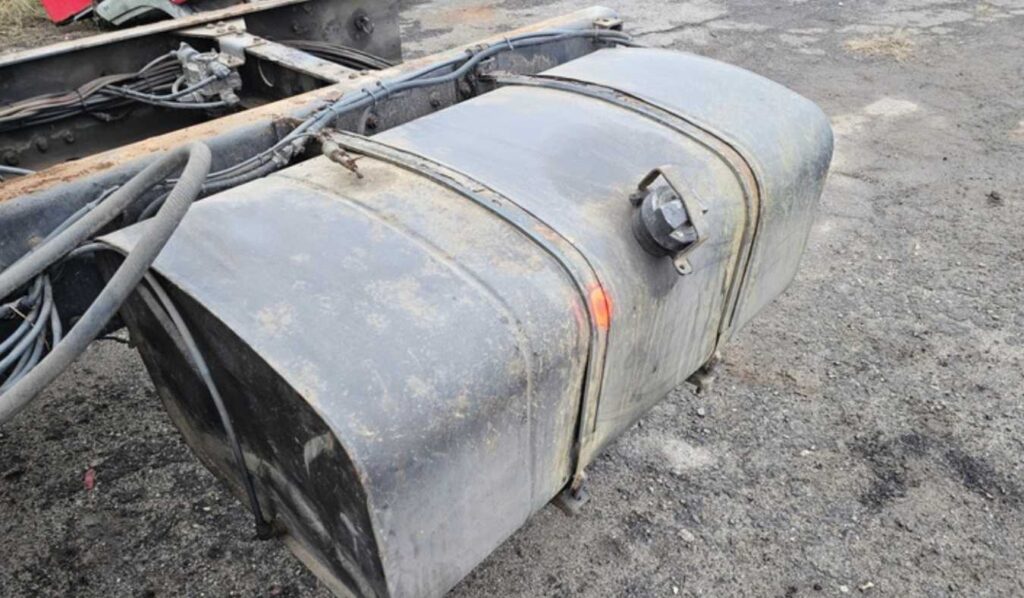
The Chemistry of Fuel Ageing: Why Does Your Fuel Tank Have an Expiry Date? 1. Introduction: The invisible process in your tank As vehicle users, we rarely think of fuel as a “living” substance that undergoes continuous transformations. Yet diesel fuel begins ageing the moment it leaves the refinery. The key parameter that determines […]
A Drop of Water Can Seize the Engine
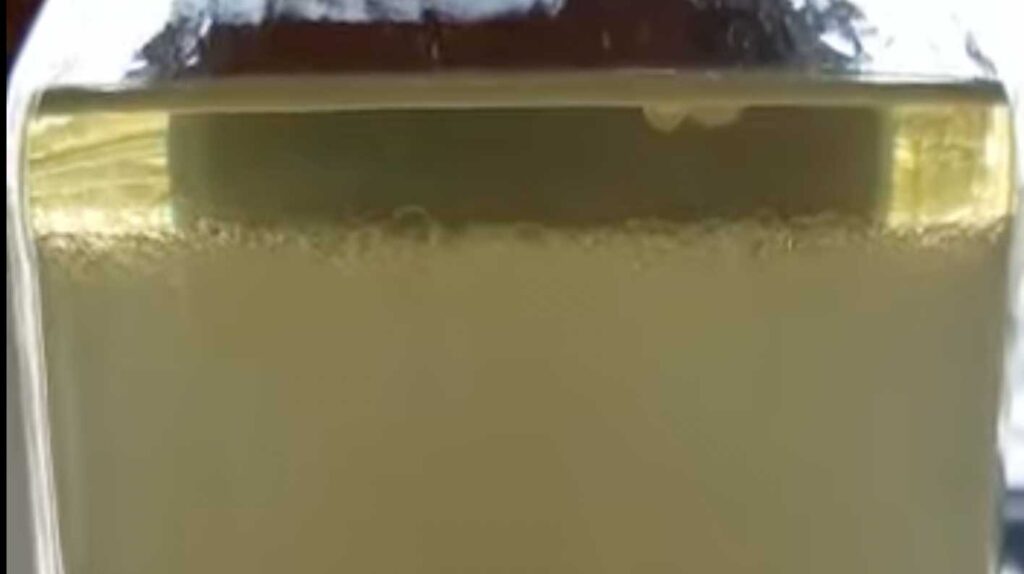
The Process of Microbiological Fuel Contamination: From a Drop of Water to Engine Seizure Microorganisms in the fuel system are not just a biological curiosity, but one of the most insidious enemies of modern technology. As engineers and operators, we often forget that a fuel tank is not a sterile flask, but an ecosystem […]
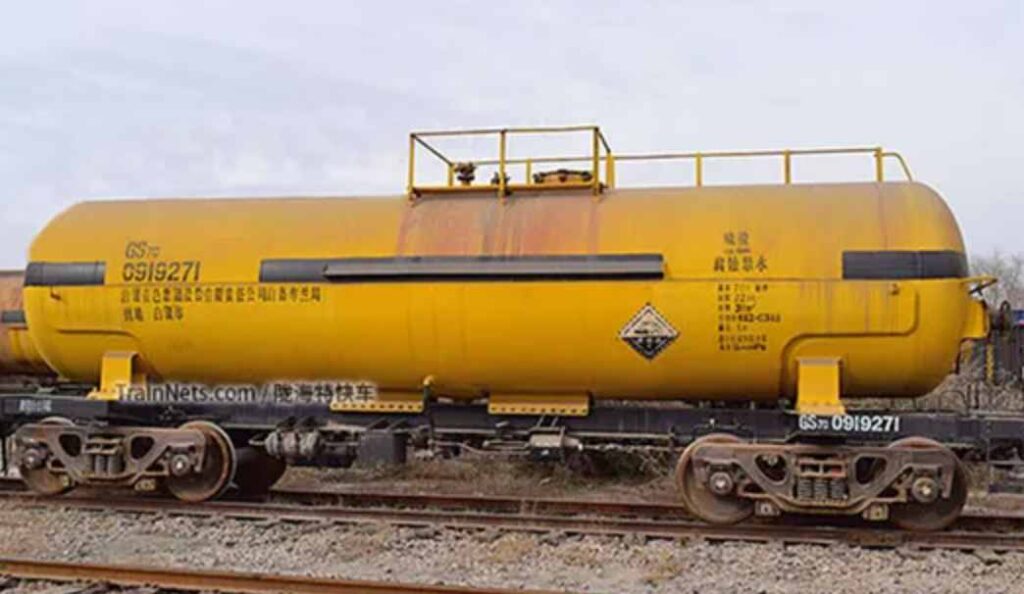
Managing Fuel Stability in Storage Infrastructure
Operational Strategy: Managing the Cleanliness and Stability of Fuels in Storage Infrastructure 1. Strategic Context and Operational Risk Analysis In an era of tightened exhaust emission standards and the evolution of Common Rail-type injection technologies, fuel cleanliness and stability have become the foundation of operational reliability. The contemporary fuel market is characterized by a […]
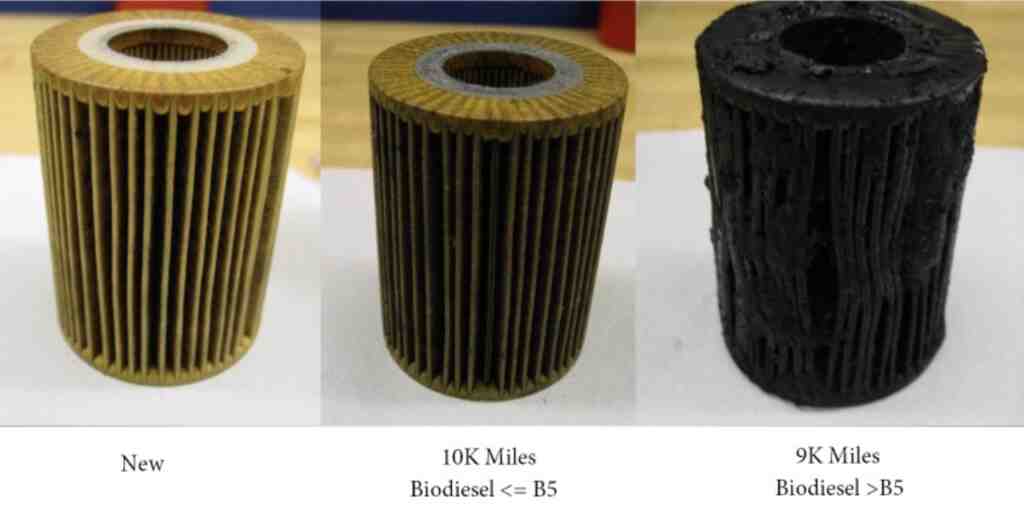
FAME Biodiesel - Impact on Fuel Systems
A Compendium of Knowledge on FAME (Biodiesel): Stability, Operation and Impact on Fuel Systems Modern internal combustion engine engineering and fuel technology stand at a critical juncture, driven by stringent exhaust emission standards and EU energy policy (including Directive 2003/30/EG). The implementation of fatty acid methyl esters (FAME) as a biocomponent in diesel fuel is […]
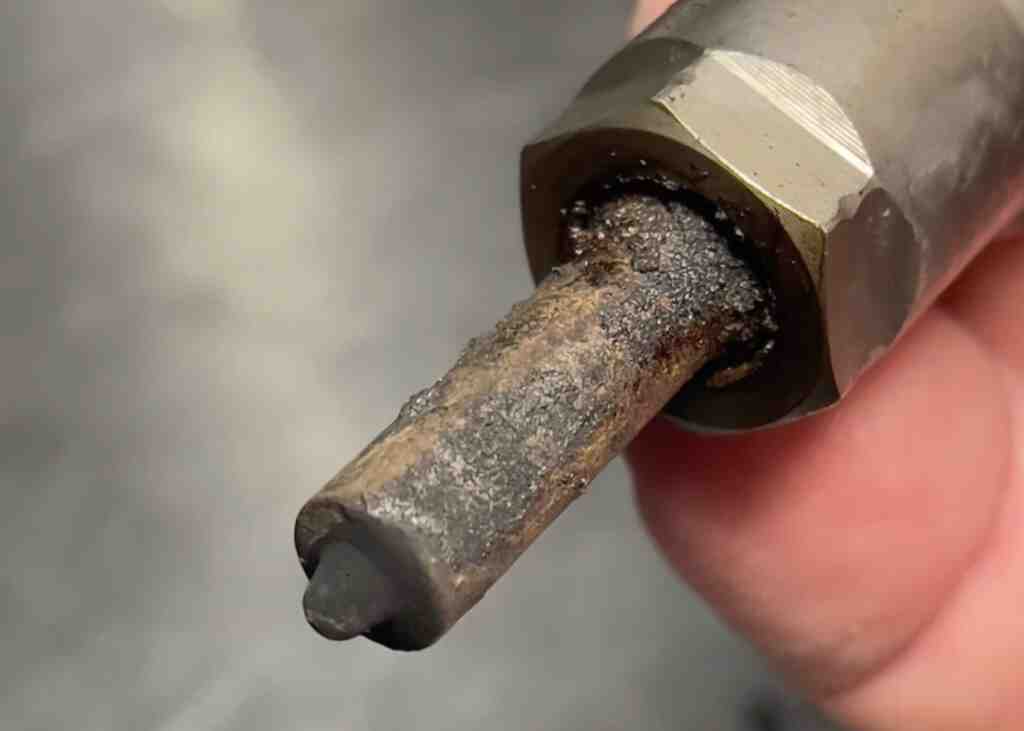
Analysis of Fuel Aging Processes and Deposit Formation Mechanisms in Diesel Injectors
Modern diagnostics of compression-ignition (CI) engine fuel supply systems demonstrate that maintaining the design fuel atomization geometry in Common Rail systems is a critical condition for preserving overall efficiency and reducing harmful emissions. The cleanliness of injector tips remains a strategic tribochemical challenge, as their precision orifices are exposed to extreme thermal and chemical […]
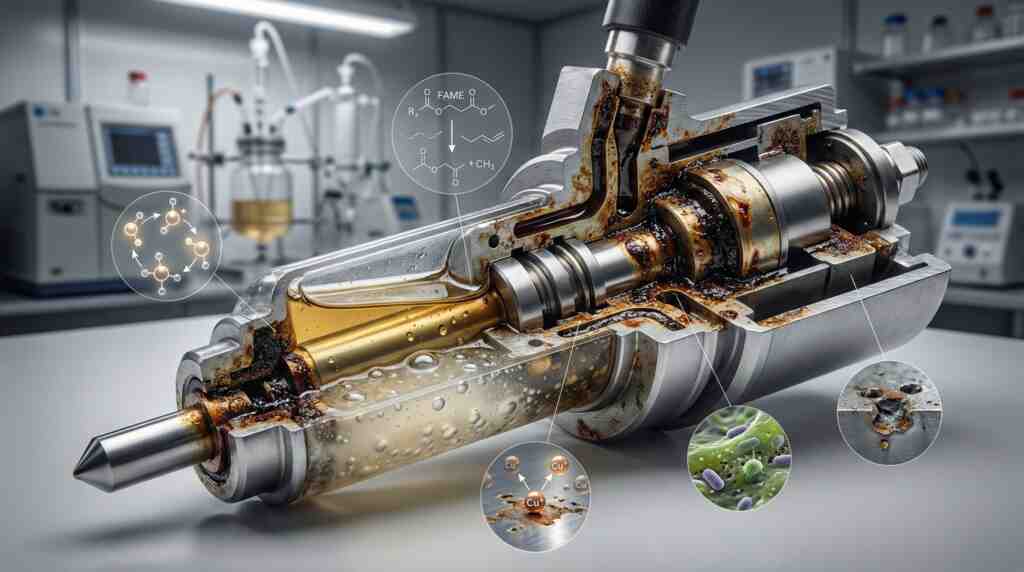
Injector Deposits (IDID) in a B7 Diesel: The Influence of Water, FAME and Biofilm
Authors: in the lower part of the article Subject: Analysis of oxidation kinetics, biocorrosion and the formation of internal deposits (IDID) in Common Rail systems --------- 1. Introduction: The Evolution of Diesel Fuels and Technological Challenges Modern compression-ignition (CI) engine technology, based on high-pressure injection systems, has imposed rigorous requirements regarding fuel cleanliness and […]
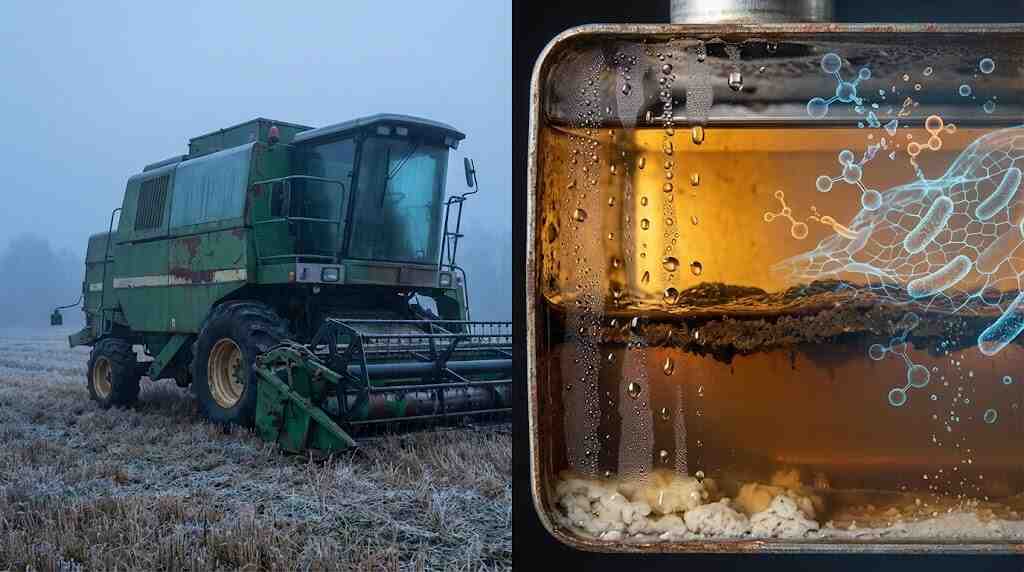
Does Seasonal Machine Downtime Affect the Quality of Diesel in Fuel Tanks?
TABLE OF CONTENTS The Thermodynamics of “Tank Breathing”: The mechanism of moisture condensation during downtime. Ester Hydrolysis (FAME): The chemical breakdown of bio-components into acids and alcohol. Microbiology of the Fuel System: The growth of biomass at the phase boundary (water-fuel). Sedimentation Kinetics (PIMOT): Why does fuel separate faster than you think? EXPLORING THE […]