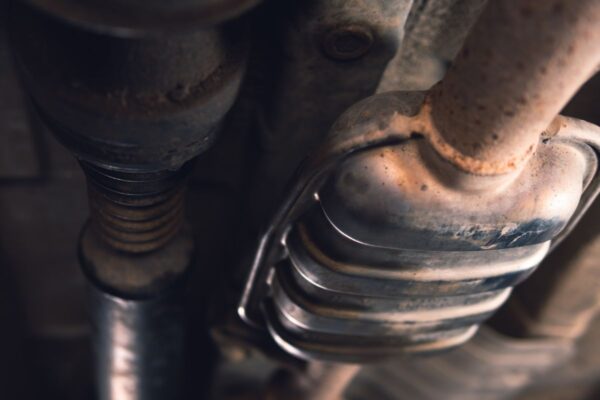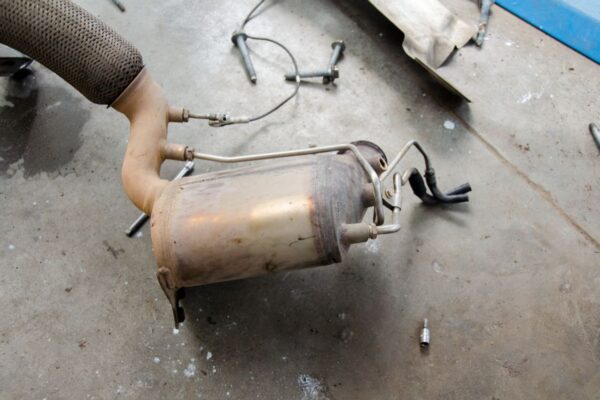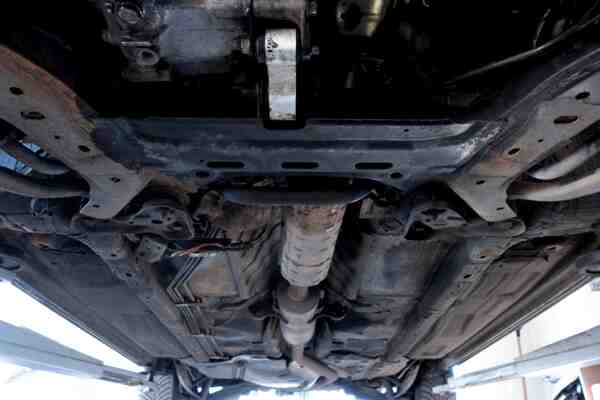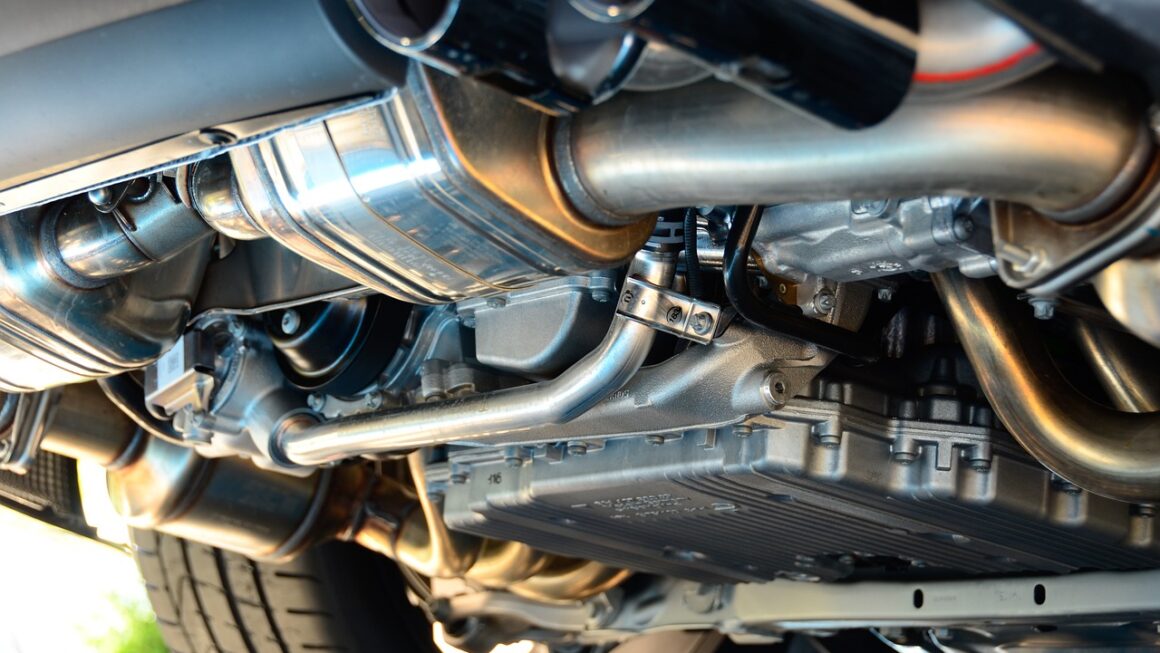
A clogged DPF filter significantly worsens the performance of the exhaust and drivetrain systems, and the engine loses a great deal of efficiency. This significantly reduces driving comfort and increases fuel consumption, and over time it can lead to serious consequences. How do you know that the DPF is clogged? How can you prevent it? What should you do if it happens? In today’s post, we will try to cover all the issues related to a clogged diesel particulate filter.
What is the DPF filter responsible for?
The DPF filter (diesel particulate filter) in diesel engines is responsible for trapping and neutralizing soot so that particulate matter does not enter the atmosphere - that is, atmospheric aerosols containing sulphates, nitrates and other chemical compounds harmful to humans and the environment.
A properly functioning filter operates automatically - when a significant amount of soot accumulates, the DPF initiates the combustion process and cleans itself on its own (usually after 300-800 kilometres in city driving and 1500 km on longer routes). Like any intensively used component, it wears out over time and loses efficiency, which can lead to it becoming clogged.
Clogged DPF - symptoms you should not ignore?
A clogged DPF will immediately make itself felt - you will notice the problem when, on pressing the accelerator pedal, you do not feel the car accelerating the way it used to. The excess accumulated soot will directly affect engine performance and cause a loss of power. There will also be unexpected surges in engine speed and a significant increase in fuel consumption.
Over time, problems with the car may appear even earlier - at the moment of starting the engine. Contaminants can block the outlet of various types of gases, which leads to a significant increase in pressure in the combustion system. The systems responsible for starting will detect the problem and may put the car into limp mode.
We should react immediately when an intense smell of exhaust fumes comes from the exhaust pipe. We may also notice it inside the cabin, which already poses a serious danger. The above-mentioned particulate matter is very harmful to humans - staying for a long time in an enclosed space can even lead to carbon monoxide poisoning.
Clogged DPF - consequences
We already know what symptoms we will observe when the particulate filter in our car is clogged; now we will describe what consequences await us if we do not get rid of the problem. In addition to low driving comfort and problems with optimal engine performance, we may expose ourselves to far more serious complications.
The DPF filter is responsible for the operation of the entire engine and exhaust system, which is why, if it is not in optimal condition, the expulsion of contaminants from the cylinders will be much worse. This can lead to the failure of various important engine systems, such as the pistons. Faster engine wear will also occur due to the deterioration of the fuel’s lubricating properties, which is likewise influenced by a clogged DPF filter - in extreme cases it can even lead to engine seizure. Fuel consumption will also increase significantly due to soot remaining in the fuel system and due to driving at higher engine speeds, by which we compensate for the loss of power.
Of course, the DPF filter is not in the car without a reason - as we mentioned above, it prevents soot from entering the atmosphere. If it does not work properly, the car will pose a threat to the health of drivers and passengers in the event that harmful exhaust fumes reach the cabin. Driving such a vehicle will also have a negative impact on the natural environment.
How to check whether the DPF is clogged?
How can you check a clogged DPF? First of all, modern systems are equipped with special sensors that monitor specific standards and aim to guarantee maximum driving comfort - sensors of this type are also found in diesel particulate filters. Specifically, these are:
- the DPF differential pressure sensor - a sensor comparing the pressure before and after the filter.
- particulate filter temperature sensors (usually from 1 to 4) - used to monitor the temperature of the exhaust gases while driving and during their burn-off.
If the DPF in our car is clogged - the warning light will inform us about it. If it is flashing, it means that you need to take a longer drive during which the filter will be cleaned. When it is on continuously, we are being told that the DPF is clogged to such an extent that it requires servicing.
Clogged DPF - what to do?
The quality of the oil we use has a very significant impact on the condition of the DPF filter. It should be appropriately matched to the specific car - low-SAPS products work best in systems equipped with this component, putting much less strain on it.
I can also personally recommend the multifunctional fuel additive TEC 2000 Diesel System Cleaner. It allows you to keep the engine in excellent condition for a long time, significantly reduces the build-up of contaminants in the fuel tank, and thoroughly cleans and protects entire fuel systems.
A clogged diesel particulate filter needs to be thoroughly cleaned - it is best to do this at a professional car repair shop providing such services. On the market we will also find many products that allow for the self-regeneration of the DPF without removing it.