How Often Should You Burn Off the DPF? Frequency of Diesel Particulate Filter Regeneration in a Car

W dzisiejszych czasach wiele samochodów jest wyposażonych w filtr cząstek stałych (DPF), który pomaga w utrzymaniu czystości spalin i spełnieniu norm emisji spalin. DPF skutecznie usuwa zanieczyszczenia z gazów wydechowych, ale z czasem ulega zanieczyszczeniu i wymaga regeneracji. W tym artykule omówimy, co to jest DPF i jak często powinieneś go regenerować, aby zachować sprawność silnika samochodu. Co to jest DPF? DPF to skrót od anglojęzycznego terminu Diesel Particulate Filter, czyli filtr cząstek stałych. Jest to urządzenie zainstalowane w układzie wydechowym samochodu, które ma za zadanie usuwanie cząstek stałych z gazów spalinowych. DPF jest szczególnie ważny dla samochodów z silnikami Diesla, ponieważ emitują one większą ilość zanieczyszczeń niż samochody z silnikami benzynowymi. Jak działa DPF? DPF działa w oparciu o zasadę filtracji. Cząstki stałe zawarte w gazach wydechowych są zatrzymywane przez warstwę filtrującą, a czyste gazy wydostają się na zewnątrz. W pewnym momencie filtr się zapełnia i zaczyna ograniczać przepływ spalin, co może prowadzić do uszkodzenia silnika samochodu. Dlatego DPF musi być regularnie regenerowany. Co to jest regeneracja DPF? Regeneracja DPF to proces usuwania nagromadzonych cząstek stałych z filtru cząstek stałych. Istnieją dwa sposoby regeneracji DPF: aktywna i pasywna. Regeneracja aktywna polega na wypalaniu zanieczyszczeń w wysokiej temperaturze, która jest generowana przez silnik samochodu. Regeneracja pasywna zachodzi w czasie normalnej eksploatacji samochodu i polega na zmniejszeniu ciśnienia spalin, co powoduje wzrost temperatury w DPF. Jak często powinno się wypalać DPF? Częstotliwość wypalania DPF zależy od wielu czynników, takich jak styl jazdy, warunki drogowe i wiek samochodu. W zależności od producenta samochodu i typu silnika, zalecana częstotliwowość wypalania DPF może się różnić. Ogólnie rzecz biorąc, zaleca się wypalanie DPF co około 600-800 km, ale dla niektórych modeli samochodów może to być inna wartość. Jak sprawdzić, czy DPF wymaga regeneracji? Samochód z DPF jest wyposażony w specjalne czujniki, które monitorują stan filtra. Jeśli poziom zanieczyszczeń w filtrze przekroczy pewną wartość, system kontrolny wyświetli ostrzeżenie na desce rozdzielczej. W tym przypadku należy jak najszybciej zregenerować DPF, aby uniknąć poważniejszych problemów z silnikiem samochodu. Jakie są objawy, że DPF wymaga regeneracji? Istnieją pewne objawy, które wskazują na to, że DPF wymaga regeneracji. Oto niektóre z nich: Spadek mocy silnika Zwiększone zużycie paliwa Ostrzeżenie na desce rozdzielczej Częstsze awarie silnika Nieprzyjemny zapach z wydechu Jeśli zauważysz którykolwiek z tych objawów, skontaktuj się z mechanikiem lub serwisem samochodowym, aby zdiagnozować problem i przeprowadzić regenerację DPF. Czy regeneracja DPF jest kosztowna? Koszt regeneracji DPF może się różnić w zależności od samochodu i rodzaju regeneracji. W niektórych przypadkach regeneracja aktywna jest droższa niż pasywna. Warto jednak pamiętać, że regularna regeneracja DPF może zapobiec poważniejszym problemom z silnikiem, co może być znacznie bardziej kosztowne. Czy można samodzielnie regenerować DPF? Regeneracja DPF jest skomplikowanym procesem, który wymaga specjalistycznej wiedzy i narzędzi. Zaleca się zlecanie regeneracji DPF profesjonalnym mechanikom lub serwisom samochodowym. Czy wypalanie DPF wpływa na zużycie paliwa? Wypalanie DPF może wpłynąć na zużycie paliwa, ale nie zawsze musi to być zauważalne. Zależy to od wielu czynników, takich jak styl jazdy i warunki drogowe. W niektórych przypadkach wypalanie DPF może zwiększyć zużycie paliwa, ale z reguły nie ma to znaczącego wpływu na ogólne zużycie paliwa. Wypalanie DPF jest kluczowe dla zachowania sprawności silnika samochodu. Częstotliwość wypalania DPF zależy od wielu czynników, takich jak styl jazdy, warunki drogowe i wiek samochodu. Jeśli zauważysz, że DPF wymaga regeneracji, niezwłocznie skontaktuj się z mechanikiem lub serwisem samochodowym. Pamiętaj, że regularna regeneracja DPF może zapobiec poważniejszym problemom z silnikiem, co może być znacznie bardziej kosztowne. W razie wątpliwości zawsze warto skonsultować się z profesjonalistą, który pomoże Ci zadbać o stan filtra cząstek stałych w Twoim samochodzie.
Oceń mój wpis post

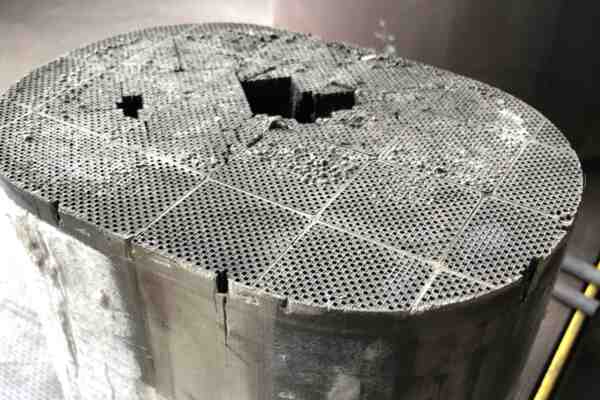
Nowadays, many cars are equipped with a diesel particulate filter (DPF), which helps keep exhaust gases clean and meet emission standards. The DPF effectively removes contaminants from the exhaust gases, but over time it becomes clogged and requires regeneration. In this article, we will discuss what a DPF is and how often you should regenerate it in order to keep your car’s engine running efficiently.

What is a DPF?

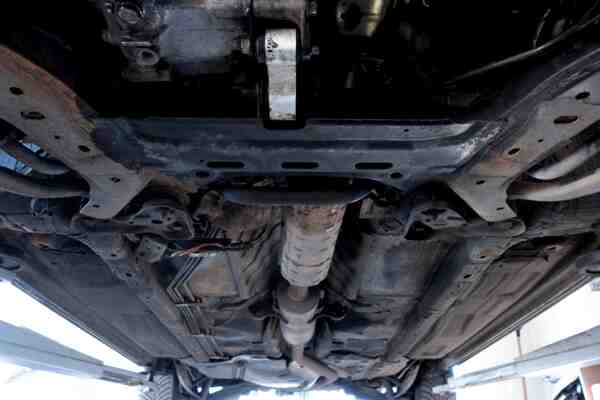
DPF is the abbreviation of the English term Diesel Particulate Filter. It is a device installed in the car’s exhaust system whose job is to remove particulate matter from the exhaust gases. The DPF is especially important for cars with Diesel engines, because they emit a larger amount of contaminants than cars with petrol engines.

How does a DPF work?

The DPF works on the principle of filtration. The particulate matter contained in the exhaust gases is trapped by the filtering layer, while clean gases escape to the outside. At some point the filter fills up and begins to restrict the flow of exhaust gases, which can lead to damage to the car’s engine. That is why the DPF must be regenerated regularly.

What is DPF regeneration?

DPF regeneration is the process of removing accumulated particulate matter from the diesel particulate filter. There are two methods of DPF regeneration: active and passive. Active regeneration involves burning off the contaminants at a high temperature, which is generated by the car’s engine. Passive regeneration takes place during normal operation of the car and involves reducing the exhaust gas pressure, which causes the temperature in the DPF to rise.

How often should you burn off the DPF?

The frequency of burning off the DPF depends on many factors, such as driving style, road conditions and the age of the car. Depending on the car manufacturer and the type of engine, the recommended frequency for burning off the DPF may vary. Generally speaking, it is recommended to burn off the DPF approximately every 600-800 km, but for some car models this value may be different.

How can you tell whether the DPF needs regeneration?

A car with a DPF is equipped with special sensors that monitor the condition of the filter. If the level of contaminants in the filter exceeds a certain value, the control system will display a warning on the dashboard. In this case, you should regenerate the DPF as soon as possible to avoid more serious problems with the car’s engine.

What are the symptoms that the DPF needs regeneration?

There are certain symptoms that indicate the DPF needs regeneration. Here are some of them:

  • A drop in engine power
  • Increased fuel consumption
  • A warning on the dashboard
  • More frequent engine failures
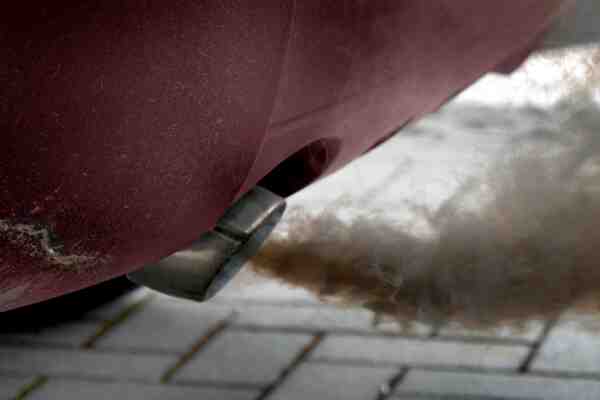
  • An unpleasant smell from the exhaust

If you notice any of these symptoms, contact a mechanic or a car service centre to diagnose the problem and carry out DPF regeneration.

Is DPF regeneration expensive?

The cost of DPF regeneration may vary depending on the car and the type of regeneration. In some cases, active regeneration is more expensive than passive regeneration. It is worth remembering, however, that regular DPF regeneration can prevent more serious engine problems, which could be far more costly.

Can you regenerate the DPF yourself?

DPF regeneration is a complex process that requires specialist knowledge and tools. It is recommended to leave DPF regeneration to professional mechanics or car service centres.

Does burning off the DPF affect fuel consumption?

Burning off the DPF may affect fuel consumption, but this does not always have to be noticeable. It depends on many factors, such as driving style and road conditions. In some cases, burning off the DPF may increase fuel consumption, but as a rule it does not have a significant impact on overall fuel consumption.

Burning off the DPF is crucial for keeping the car’s engine running efficiently. The frequency of burning off the DPF depends on many factors, such as driving style, road conditions and the age of the car. If you notice that the DPF needs regeneration, contact a mechanic or a car service centre without delay. Remember that regular DPF regeneration can prevent more serious engine problems, which could be far more costly. When in doubt, it is always worth consulting a professional who will help you take care of the condition of the diesel particulate filter in your car.

Posts created 280

Related Posts

Begin typing your search term above and press enter to search. Press ESC to cancel.

Back To Top