Alright, so you’re wondering - a dry or a wet particulate filter? What kind of filter should you choose? Well, there’s no straightforward answer to this question, because it all depends on your specific needs. But don’t worry, we’re here to help you! So let’s take a closer look at this matter and try to find out which type of filter will be best for you.
Particulate filter - what is it?
Before we start talking about dry and wet types, it’s worth recalling at the outset what a particulate filter actually is.
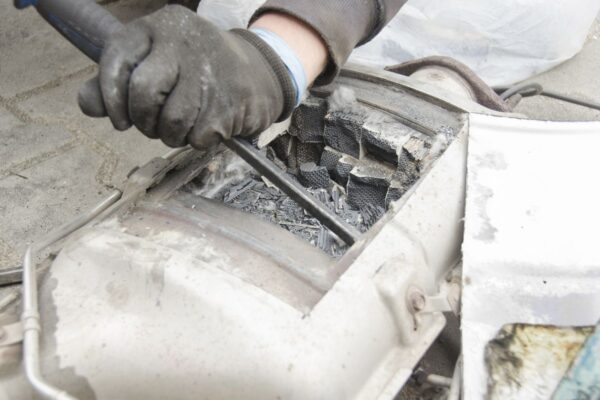
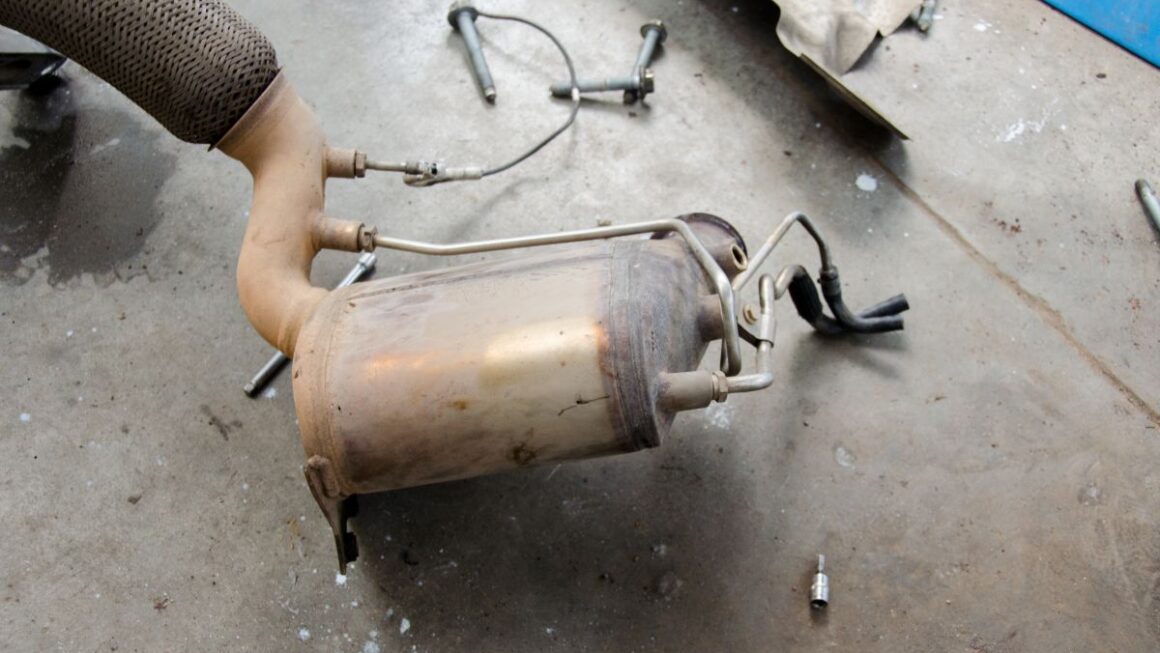
- A particulate filter is a device used to remove particulate matter from the air or other gases.
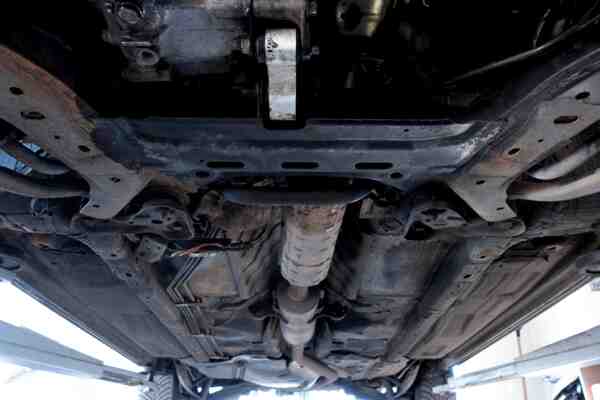
- They are used in many different cars with diesel engines.
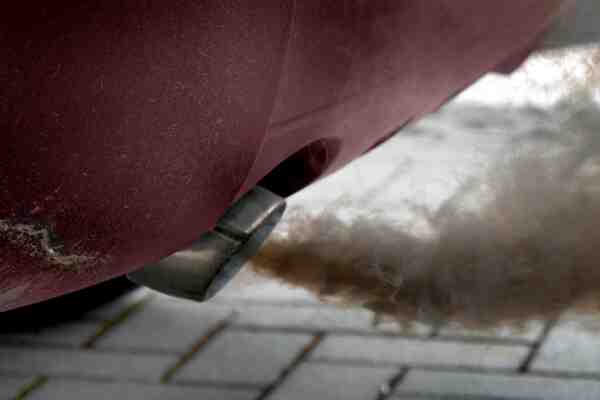
- Its main purpose is to protect the environment by reducing the emission of harmful particles.
Particulate filter - dry or wet?
The basic division among particulate filters is the split into dry and wet filters. What are the differences between them? Which type of filter is better? Here’s what you need to know.
Dry Particulate Filter (DPF)
A dry particulate filter, as the name suggests, works dry. It filters particulate matter without the use of fluids. Here are a few key features of dry filters:
- efficiency - a dry filter is effective at filtering large particles,
- ease of operation - a dry filter is easy to maintain, as it doesn’t require regular fluid changes,
- durability - a dry filter is durable and can serve for many years without replacement.
Wet Particulate Filter (FAP)
A wet particulate filter, on the other hand, uses a fluid (often water) to filter particles. Here’s what you should know about wet filters:
- effectiveness - a wet filter is effective at removing fine particles that may be difficult to filter out in a dry filter,
- cleanliness - a wet filter provides cleaner air, because the fluid helps wash away the particulate matter,
- maintenance - a wet filter requires regular fluid changes, which can be somewhat more complicated than maintaining a dry filter.
Dry or wet particulate filter - which is better?
There’s no straightforward answer to this question. Each type of filter has its advantages and disadvantages. The FAP filter is very often found in French cars (Renault, Peugeot, Citroen), as well as in vehicles from other manufacturers equipped with French diesel engines. The DPF, however, is far more popular and more commonly used - it is employed, for example, in the systems of Volkswagen group cars.
Can you use a dry filter in place of a wet one or vice versa?
In theory yes, but we recommend consulting an expert. The choice of filter depends on many factors, such as the type of particles you want to filter out, the conditions in which the filter will operate, and the specific model of the car. Without thorough knowledge of the subject and the vehicle’s specifications, you should not make changes to components on your own.
Both types of particulate filters have their advantages. A dry filter is efficient, easy to operate and durable. A wet filter, on the other hand, is more effective at removing fine particles and provides cleaner air.
Let’s hope our discussion has helped you understand the differences between a dry and a wet particulate filter. Now you should be better prepared to make an informed decision when buying a car. Good luck!