Maintaining your motorcycle yourself brings not only satisfaction but also significant savings. An engine flush, although it may seem complicated, is a task that any two-wheeler enthusiast can carry out in their own garage. In this article we will explain why a regular engine flush is essential for keeping your motorcycle in top condition. We will also discuss the circumstances under which you should bring this process forward and what the consequences of neglecting it are. Above all, however, we will teach you how to perform an engine flush on your motorcycle yourself, step by step. To make sure your own efforts bring the expected results, we will also point out the most common mistakes worth avoiding. Enjoy the read.
1. Why is flushing a motorcycle engine important?
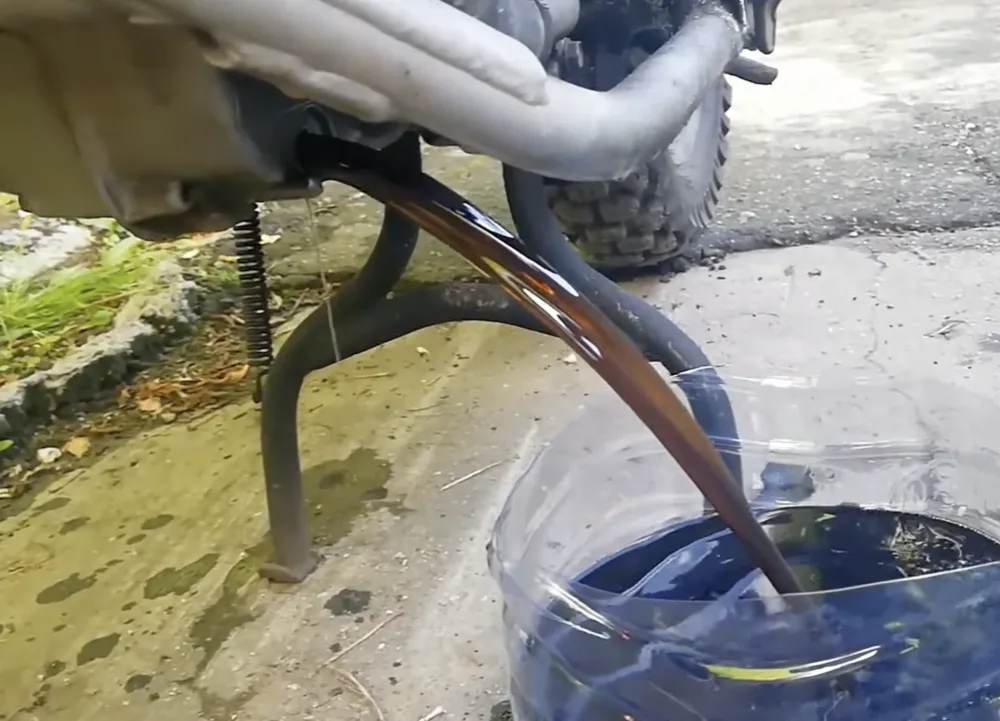
Flushing a motorcycle engine is extremely important - it is a routine task that has a crucial impact on the longevity and effectiveness of the motorcycle. I read this with understanding - like any machine, a motorcycle requires regular maintenance and care in order to function properly. The engine is the heart of the motorcycle, and it must be healthy to ensure optimal performance. Accumulated dirt, residue and deposits can cause various problems, such as uneven fuel burning, poor throttle response and a drop in engine power. It is precisely thanks to flushing that these unwanted elements can be eliminated, ensuring better performance and a longer engine life.
Many people neglect flushing the engine, which is a mistake. What makes this task so important is the fact that engine oil which is not changed regularly becomes increasingly dirty over time. As time passes, deposits begin to build up in it, which in turn can cause a blockage in the lubrication system. Flushing the engine helps remove the accumulated contaminants, which translates into the engine regaining its full functionality. For this process to be effective, it is recommended to use high-quality engine flushes that not only clean effectively but also provide a valuable level of protection. Let us remember, however, that an engine flush does not replace a routine oil change - both of these tasks are essential for the proper functioning of our motorcycle.
2. When should you flush your motorcycle engine?
For ages, two-wheeler enthusiasts have debated the topic of flushing a motorcycle engine. When has the decisive moment come to clean the machine’s vital parts? Well, the fundamental rule is regularity, but there are certain specific circumstances that can bring this process forward. The most important of these is certainly how the motorcycle is used. If the vehicle is used for long trips, the drive engine may be considerably more heavily loaded than in the case of short distances. This means that the oil change and engine flush should take place more frequently. It is worth noting that for two-wheelers used in urban conditions, it pays to perform an engine flush every 5-6 thousand kilometres. For those that cover hundreds of kilometres on motorways, it is recommended to carry out this procedure every 3-4 thousand kilometres.
Another important factor for carrying out an engine flush is the very quality of the oil the motorcycle runs on. If we use low-quality oil that does not meet the appropriate standards, we should perform an engine flush even after covering 1-2 thousand kilometres. However, if we use high-quality oil, we can push this moment back in time. Sometimes, though, even the best oil will not protect us from the need for an engine flush. This can be influenced by such elements as dust, grime, dirt or water that get into the engine during riding. In that case, regardless of the oil quality and the distance we have covered, we should decide on an engine flush. Let us remember that regular maintenance and care for your motorcycle are the key to its long and trouble-free use.
3. Step by step: How to flush a motorcycle engine?
Flushing a motorcycle engine is a crucial maintenance procedure that extends the life of the drive unit. This process is intended to remove accumulated deposits and contaminants that can cause the engine to run poorly and even lead to more serious failures. Carrying out this procedure requires certain technical skills, but with the right instructions and the appropriate tools, most motorcyclists should be able to handle it themselves.
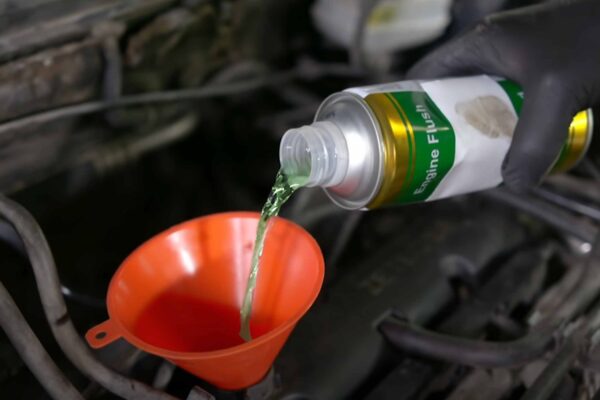
First of all, before you start flushing the engine, you need to check whether your motorcycle is cool enough to carry out the operation safely. Then remove the oil cap and screw in the hose that is connected to the oil canister. After making sure the connection is tight, you can slowly start pouring in the special engine flush product. The recommended amount of fluid is usually given on the product packaging, but the rule is that there should be no more of it than half the amount of oil that is normally poured into the engine. After pouring in the fluid, the engine should be started and left running for about 15 minutes, while not exceeding 2000 revolutions per minute. During this time the flushing fluid will begin to work, removing accumulated contaminants from inside the engine.
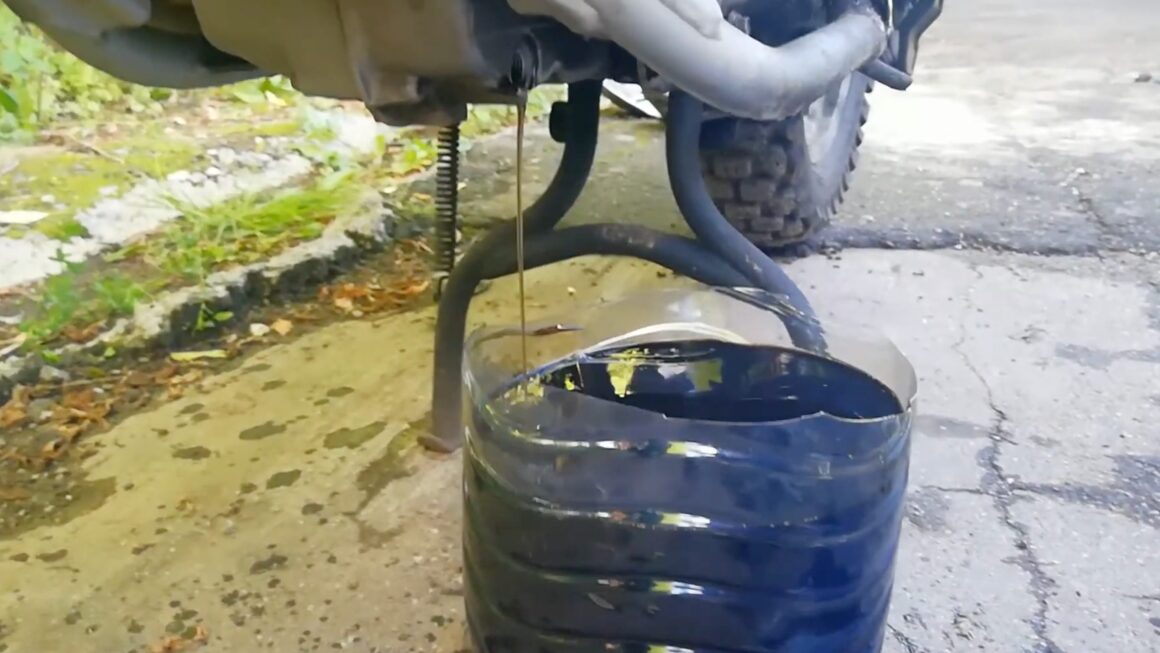
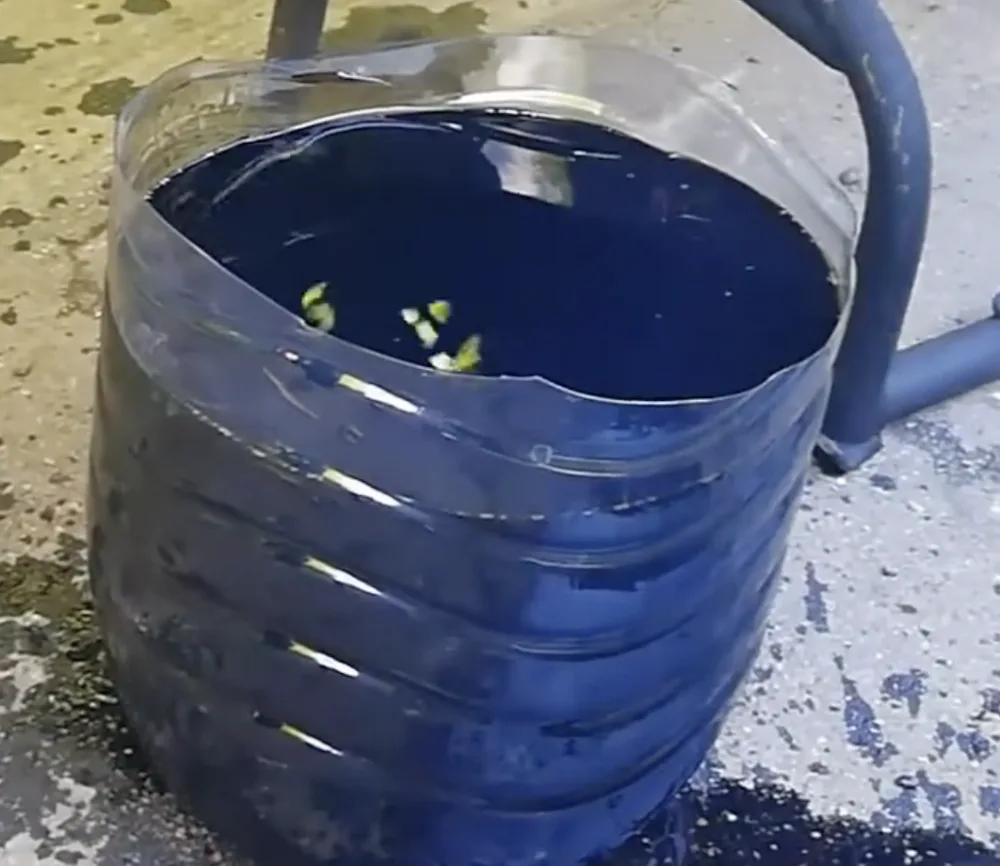
After the indicated time has elapsed, the engine should be switched off and left for another 15 minutes, so that the flushing agent has time to settle calmly and take the contaminants with it. Next, the motorcyclist must unscrew the oil drain bolts, which will allow the fluid to drain along with the deposits into a suitable container. After the engine has been emptied, it is necessary to refit the oil drain bolt. Now you can move on to the stage of filling the engine with fresh oil. It is worth remembering here that the amount and type of oil should comply with the motorcycle manufacturer’s specification, which will ensure optimal conditions for its smooth operation. After pouring in the oil, it is recommended to start the engine for a few minutes so that the oil can distribute well throughout the entire engine. The motorcycle engine flush procedure should be carried out once a year or every 5 thousand km of mileage, whichever comes first.
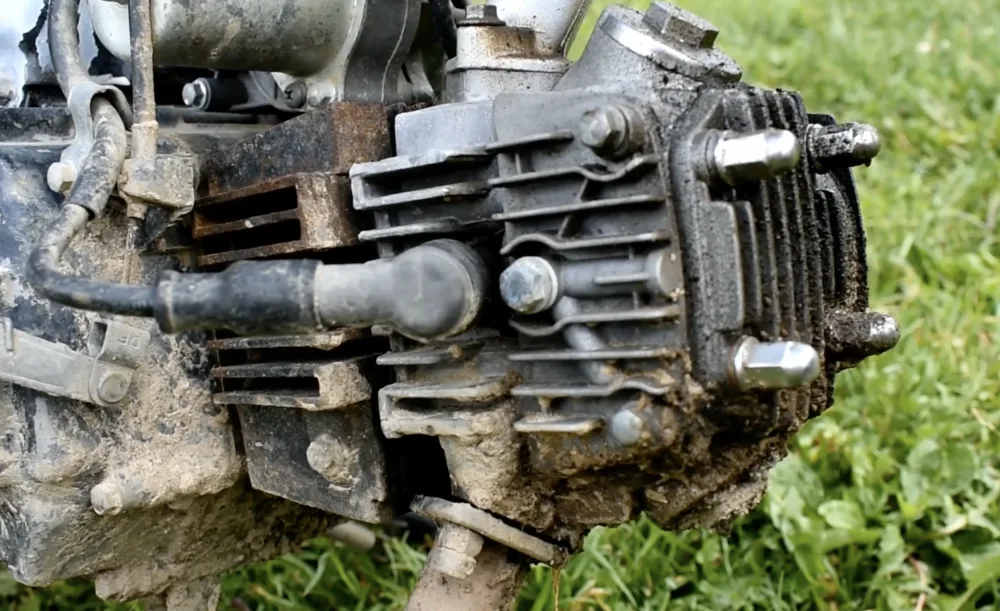
4. Common mistakes when flushing a motorcycle engine and how to avoid them.
Flushing a motorcycle engine is an important part of its regular maintenance. Many motorcyclists, however, skip this step in the routine servicing of their two-wheeler, which leads to faster wear and potential damage. There are, however, certain common mistakes that motorcycle owners make during this process and which can easily be avoided.
The most common mistake is incorrectly positioning the motorcycle before flushing. The motorcycle should be stabilised and level so that the oil and other fluids can flow out freely. Equally often ignored is the condition of the engine - some people start flushing the engine without making sure it is cool enough. Flushing an engine that is too hot can lead to serious damage, including cracks in the engine block. It is equally important that all components which may not react well to contact with the flushing fluid are properly protected.
The second paragraph concerns flushing with the wrong agents. Some motorcyclists, in order to save on costs, decide to use dishwashing liquid instead of a specialist engine flushing fluid. This is the wrong approach - inappropriate agents can easily damage delicate components inside the engine or simply fail to clean its interior properly, which in the long run results in higher repair costs. Similarly, skipping the filters when flushing the engine is a serious offence. The oil and air filters should always be clean and free of any residual contaminants. Dirt collected there can affect the overall performance of the engine, leading to acceleration problems and reducing the unit’s overall power.
The article emphasises the importance of regularly flushing a motorcycle engine. Flushing the engine helps get rid of accumulated contaminants, which translates into improved functionality and an extended service life. The frequency of carrying out this task depends on how the motorcycle is used and on the quality of the oil being used.
The article also contains detailed instructions on how to flush the engine correctly. To carry out the process safely and effectively, you must make sure the engine is properly cooled, you should use a specialist engine flushing fluid, and you should also remember to clean the oil and air filters.
To sum up, regularly flushing the engine is an essential element of caring for a motorcycle. Carrying out this task in accordance with the recommendations will help avoid potential damage and problems related to engine performance.