How to Burn Off a DPF? A Step-by-Step Guide

Jeśli posiadasz samochód z silnikiem Diesla, z pewnością zetknąłeś się z problemem zwanym DPF, czyli filtrem cząstek stałych. DPF (Diesel Particulate Filter) to element układu wydechowego, którego zadaniem jest zatrzymywanie szkodliwych pyłów emitowanych przez silnik Diesla. Niestety, częste jazdy w miejskim ruchu, gdzie samochód porusza się z niską prędkością, a także niedostateczna temperatura pracy silnika, może doprowadzić do zanieczyszczenia filtra cząstek stałych. W takim przypadku konieczne jest jego wypalenie, czyli spalenie zgromadzonych w nim osadów. W tym artykule podpowiadamy, jak wypalić DPF krok po kroku. Jak wypalać DPF? Zanieczyszczony DPF skutkuje nie tylko problemami z emisją spalin, ale także wpływa negatywnie na działanie silnika i zwiększa koszty eksploatacji samochodu. Często spotykanym problemem jest awaria DPF, która wymaga jego wymiany na nowy. Dlatego też, jeśli zauważysz, że DPF w twoim samochodzie zaczyna sprawiać problemy, warto podjąć kroki mające na celu wypalenie filtra cząstek stałych. W tym artykule przedstawimy, jak wypalić DPF samodzielnie. Sprawdź poziom płynu AdBlue Przed przystąpieniem do wypalania DPF, warto sprawdzić poziom płynu AdBlue. Jest to płyn, który w samochodach z silnikiem Diesla stosowany jest w celu redukcji emisji tlenków azotu (NOx). Brak płynu AdBlue lub jego niewystarczający poziom może wpłynąć negatywnie na proces wypalania DPF. Przejedź samochodem na autostradzie Wypalanie DPF wymaga utrzymania odpowiedniej temperatury silnika przez określony czas. Najlepszym sposobem na osiągnięcie odpowiedniej temperatury jest jazda na autostradzie z prędkością powyżej 80 km/h. W trakcie jazdy na autostradzie silnik osiąga wysoką temperaturę, co pozwala na spalenie zgromadzonych w DPF osadów. Wyłącz klimatyzację Podczas jazdy na autostradzie warto wyłączyć klimatyzację, aby uniknąć obniżenia temperatury silnika. Klimatyzacja pobiera energię z silnika, co wpływa negatywnie na jego temperaturę i utrudnia proces wypalania DPF. Kontroluj parametry pracy silnika W trakcie jazdy na autostradzie warto kontrolować parametry pracy silnika za pomocą specjalnego skanera lub oprogramowania. Ważne jest, aby silnik pracował w odpowiednich parametrach, co przyspieszy proces wypalania DPF. W przypadku zauważenia nieprawidłowości, warto skonsultować się z mechanikiem. Wykonaj regenerację DPF przy użyciu oprogramowania Jeśli samodzielne wypalanie DPF nie przyniosło oczekiwanych efektów, warto skorzystać z regeneracji DPF przy użyciu oprogramowania. Regeneracja ta polega na wprowadzeniu specjalnych parametrów do układu silnika, co umożliwia jego automatyczne wypalanie. Jak często należy wypalać DPF? Częstotliwość wypalania DPF zależy od stylu jazdy i warunków eksploatacyjnych samochodu. W zależności od tego, jak często poruszamy się w ruchu miejskim i jak długo utrzymujemy niską prędkość, DPF może wymagać wypalenia co kilkaset kilometrów. Jakie są objawy zanieczyszczonego DPF? Objawami zanieczyszczonego DPF są m.in. spadek mocy silnika, zwiększenie zużycia paliwa, pojawienie się kontrolki DPF na desce rozdzielczej, a także problemy z regeneracją filtra. Czy można wypalić DPF samodzielnie? Tak, wypalenie DPF samodzielnie jest możliwe, jednak wymaga odpowiedniego przygotowania i przestrzegania określonych zasad. Najważniejsze jest utrzymanie odpowiedniej temperatury silnika przez określony czas, co pozwala na spalenie zgromadzonych w DPF osadów. Wypalanie DPF to skomplikowany proces, który wymaga odpowiedniego przygotowania i przestrzegania określonych zasad. Warto jednak podjąć kroki mające na celu wypalenie filtra cząstek stałych, aby uniknąć kosztownej wymiany DPF na nowy. Pamiętaj, że utrzymanie odpowiedniej temperatury silnika przez określony czas jest kluczowe dla skutecznego wypalania DPF.
Oceń mój wpis post

If you own a car with a diesel engine, you have surely come across a problem known as the DPF, that is, the diesel particulate filter. The DPF (Diesel Particulate Filter) is a component of the exhaust system whose job is to trap the harmful particulates emitted by a diesel engine. Unfortunately, frequent driving in city traffic, where the car moves at low speed, as well as an insufficient engine operating temperature, can lead to the particulate filter becoming clogged. In such a case it is necessary to burn it off, that is, to burn away the deposits accumulated inside it. In this article we explain how to burn off a DPF step by step.

How to burn off a DPF?

A clogged DPF results not only in problems with exhaust emissions, but also has a negative impact on engine operation and increases the cost of running the car. A commonly encountered problem is DPF failure, which requires replacing it with a new one. That is why, if you notice that the DPF in your car is starting to cause problems, it is worth taking steps aimed at burning off the particulate filter. In this article we will show you how to burn off a DPF yourself.

Check the AdBlue fluid level

Before you begin burning off the DPF, it is worth checking the AdBlue fluid level. This is a fluid that, in cars with a diesel engine, is used to reduce nitrogen oxide (NOx) emissions. A lack of AdBlue fluid or an insufficient level can negatively affect the DPF burn-off process.

Take the car for a drive on the motorway

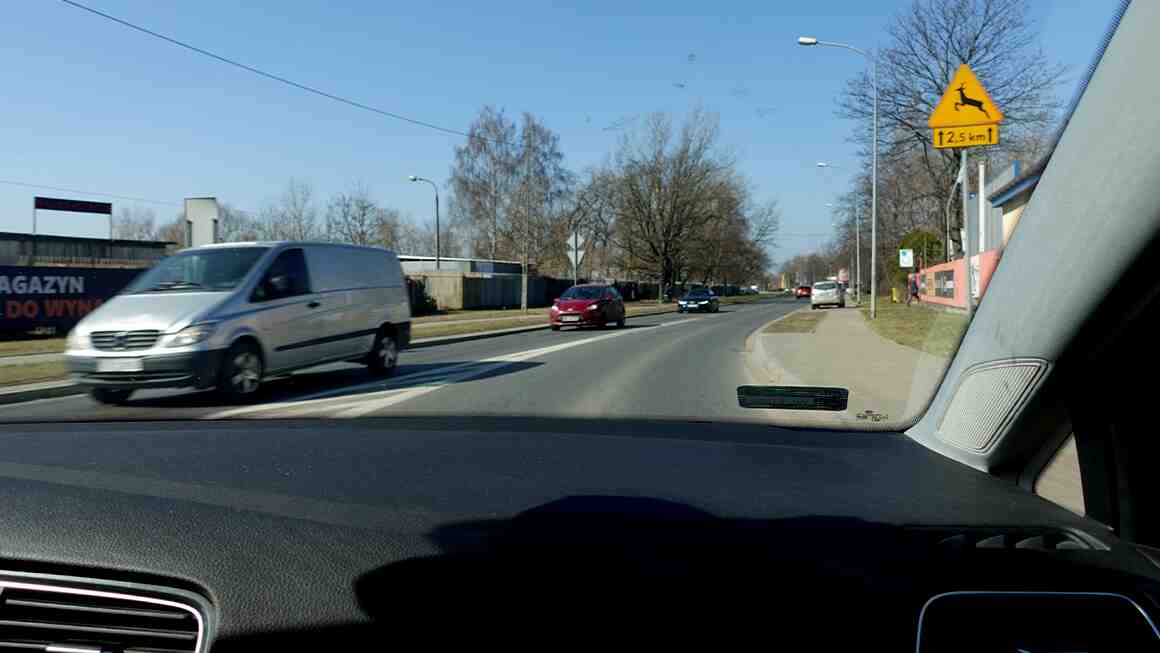
Burning off the DPF requires maintaining the proper engine temperature for a set period of time. The best way to reach the proper temperature is to drive on the motorway at a speed above 80 km/h. While driving on the motorway, the engine reaches a high temperature, which allows the deposits accumulated in the DPF to be burned away.

Turn off the air conditioning

While driving on the motorway it is worth turning off the air conditioning to avoid lowering the engine temperature. The air conditioning draws energy from the engine, which negatively affects its temperature and hinders the DPF burn-off process.

Monitor the engine operating parameters

While driving on the motorway it is worth monitoring the engine operating parameters using a special scanner or software. It is important that the engine operates within the proper parameters, which will speed up the DPF burn-off process. If you notice any irregularities, it is worth consulting a mechanic.

Perform a DPF regeneration using software

If burning off the DPF yourself has not produced the expected results, it is worth using a DPF regeneration performed with software. This regeneration consists of entering special parameters into the engine system, which enables it to burn off automatically.

How often should the DPF be burned off?

How often the DPF needs to be burned off depends on driving style and the car’s operating conditions. Depending on how often we drive in city traffic and how long we maintain a low speed, the DPF may require burning off every few hundred kilometres.

What are the symptoms of a clogged DPF?

The symptoms of a clogged DPF include, among others, a drop in engine power, increased fuel consumption, the appearance of the DPF warning light on the dashboard, as well as problems with filter regeneration.

Can you burn off a DPF yourself?

Yes, burning off a DPF yourself is possible, but it requires proper preparation and following certain rules. The most important thing is to maintain the proper engine temperature for a set period of time, which allows the deposits accumulated in the DPF to be burned away.

Burning off a DPF is a complex process that requires proper preparation and following certain rules. It is, however, worth taking steps aimed at burning off the particulate filter in order to avoid a costly replacement of the DPF with a new one. Remember that maintaining the proper engine temperature for a set period of time is crucial for effectively burning off the DPF.


Posts created 280

Related Posts

Begin typing your search term above and press enter to search. Press ESC to cancel.

Back To Top