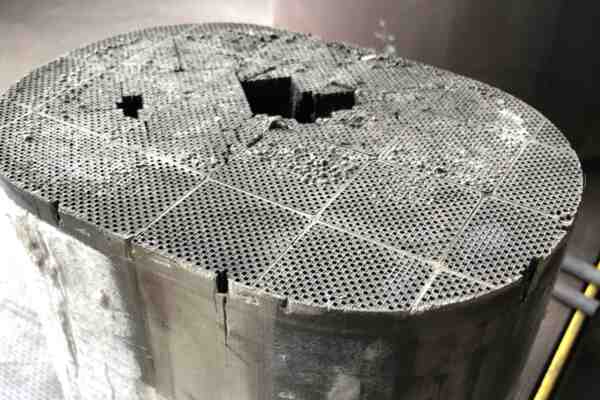
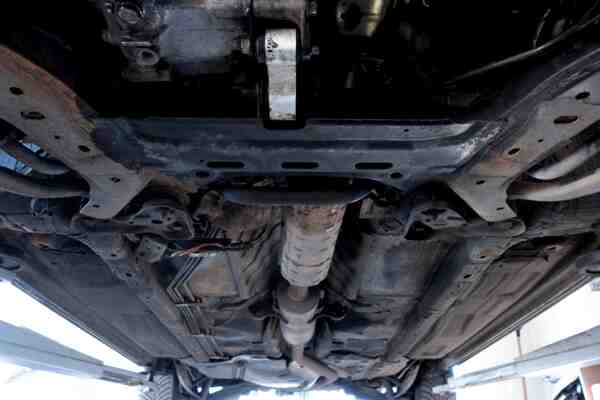
If you have noticed that your car is having problems with the DPF, you already know how serious an issue this is. Although the DPF (Diesel Particulate Filter) is an extremely important engine component, its clogging can lead to serious consequences, such as failure of the exhaust system or reduced engine performance. In this article, you will learn how to force DPF regeneration and what methods can help you avoid the problems associated with it.
How does a DPF work?
The DPF is currently a required component of the exhaust system in all modern cars. Its job is to eliminate harmful particulate matter from the exhaust gases, which affects air cleanliness and environmental protection. However, like any other component, the DPF also requires periodic maintenance and replacement, and its improper operation can lead to serious engine problems. In this article, we will discuss how to force DPF regeneration and what methods can help you avoid the problems associated with it.
How to force DPF regeneration?
Forcing DPF regeneration can help remove the particulate matter accumulated in the filter. Depending on the car model and its engine, there are various ways to force DPF regeneration.
Driving on the motorway
Driving on the motorway is one of the most effective ways to force DPF regeneration. Prolonged driving at speeds above 80 km/h allows the temperature in the exhaust system to rise, which helps burn off the particulate matter accumulated in the filter.
Driving in sport mode
Driving in sport mode, which increases the engine’s RPM, can also help force DPF regeneration. In this way, you can raise the exhaust gas temperature and speed up the process of burning off the accumulated particulate matter.
Replacing the catalytic converter
If none of the above methods produces results, it is worth considering replacing the catalytic converter. A new catalytic converter will allow better exhaust gas flow, which can also help.
Cleaning the DPF
Another way to force DPF regeneration is cleaning the filter itself. There are special products that can be added to the fuel tank, which help remove the accumulated particulate matter from the DPF.
Removing the DPF
Removing the DPF is a controversial and illegal way to force DPF regeneration. Not only does it violate environmental protection regulations, but it can also lead to serious engine problems. This method is not recommended.
Is forcing DPF regeneration legal?
Yes, forcing DPF regeneration is legal, but only when it is carried out in accordance with the car manufacturer’s recommendations.
What happens if you don’t force DPF regeneration?
Failing to force DPF regeneration can lead to clogging of the filter and cause serious problems with the engine and the exhaust system.
What are the ways to avoid DPF problems?
The best way to avoid DPF problems is to regularly keep the car in good condition by replacing the DPF and maintaining the exhaust system.
Forcing DPF regeneration can be an effective way to remove the particulate matter accumulated in the filter. However, it should be remembered that it is only one of many tools that can help keep the car in good condition. In case of DPF problems, you should always consult a mechanic and follow the car manufacturer’s recommendations to avoid serious consequences for the engine and the environment.