They’re not interchangeable, and one won’t do the other’s job. An engine oil flush goes into warm, used oil right before you drain it, and cleans the lubrication side. A fuel injector cleaner goes in the tank, rides along with the fuel, and lifts deposits off the injectors. Which one you need depends on what’s actually wrong.
Published: 9 July 2026. Last updated: 9 July 2026.
Every couple of weeks someone walks into the shop holding a bottle and asks whether it goes “in the oil or in the tank.” Good that they ask. Half the people just pour it in blind and hope for the best. Let’s settle this properly, once.
What’s the difference between an engine oil flush and a fuel injector cleaner?
They differ in almost everything: where you pour them, which system they clean, the deposits they go after, how long they take. An engine runs two separate loops. One is the lubrication system, oil circulating from the sump, through the galleries, up under the valve cover. The other is the fuel system, fuel running from the tank through the pump to the injectors and into the combustion chamber. The two are sealed off from each other. Pour something into one loop and it has no way of reaching the other. That’s why an oil flush won’t clean your injectors, and a fuel additive won’t touch the sludge in your sump.
The active ingredients are different too. An oil flush uses a hydrocarbon solvent or a detergent that dissolves whatever’s built up on the oil side. A fuel injector cleaner uses a detergent carried in the fuel, usually PEA (polyetheramine) or PIBA, and it only lifts deposits once that fuel reaches the injectors. Think drain cleaner versus glass cleaner: both “clean” something, but swap them round and you get nowhere.
| Feature | Engine OIL flush | Fuel INJECTOR cleaner |
|---|---|---|
| Where you add it | into the oil (old, warm oil - right before an oil change) | into the tank (into the fuel) |
| Which system it cleans | lubrication: sump, oil galleries, under the valve cover | fuel: injector tips, intake valves, combustion chamber |
| Which deposits it removes | sludge, varnish, carbon on the oil side | coking and lacquer on injectors and valves, chamber deposits |
| Active substance | hydrocarbon solvent / detergent (base per the SDS) | PEA (polyetheramine) or PIBA detergent in the fuel |
| Time and mode | a few to fifteen-odd minutes at idle (no driving) | tens to hundreds of km of normal driving |
| After use | drain with the oil → fresh oil + NEW filter | just refuel as usual |
| What it does NOT do | doesn’t touch the fuel system or injectors | doesn’t touch the engine oil |
If you’re trying to work out which oil flush suits your engine, that’s a separate question. First make sure you’re even aiming at the right system.
Which system does each one go into, so you don’t mix them up?
The oil flush goes into warm, used oil just before you drain it. Never the tank. The injector cleaner goes in the fuel tank. Never the oil. It’s the simplest rule in the game, and still the one people break most often.
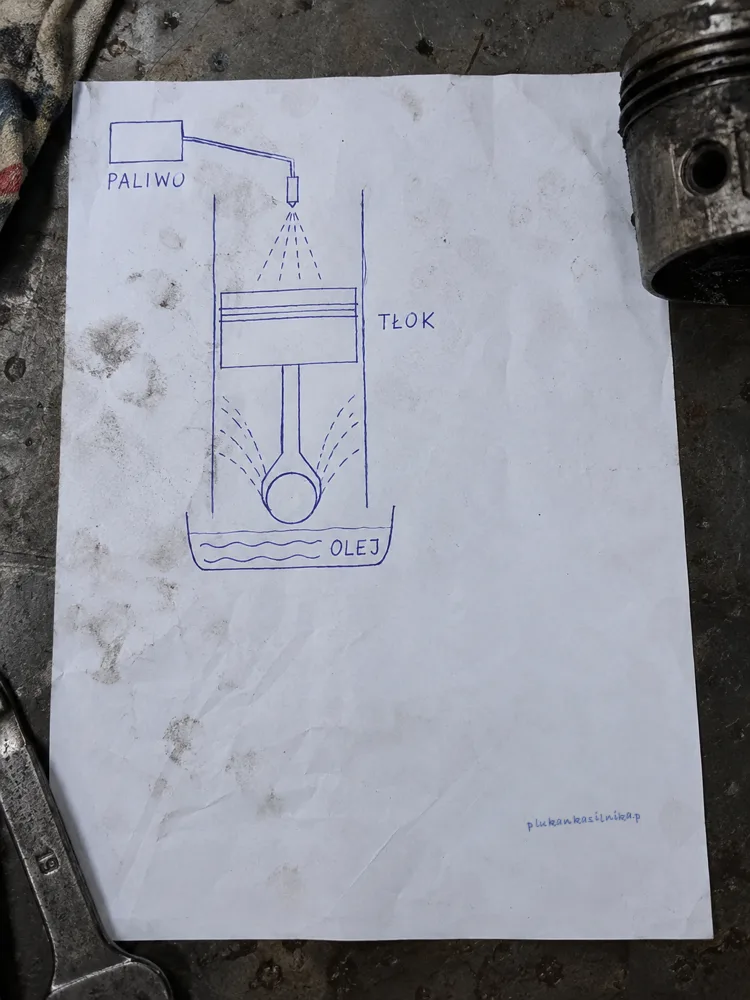
I once watched a guy pour a fuel additive straight into the oil filler, because “it cleans the engine, doesn’t it.” He’d just topped up his oil with a solvent that had no business being there, and the injectors stayed coked exactly as before. Wrong place, wrong dose, and now you’re risking the seals and the oil film. Keep it simple. Oil goes with oil, fuel goes with fuel.
What deposits does each one clean?
Each one collects a completely different kind of dirt, because they get dirty in different places. On the oil side it’s sludge (that black, greasy stuff), varnish baked onto the hot surfaces, and carbon. Oil ages, you keep topping it up, you do short trips, it overheats, and that’s what you’re left with. An oil flush is aimed right at this. It dissolves or disperses those deposits so they drain away with the used oil.
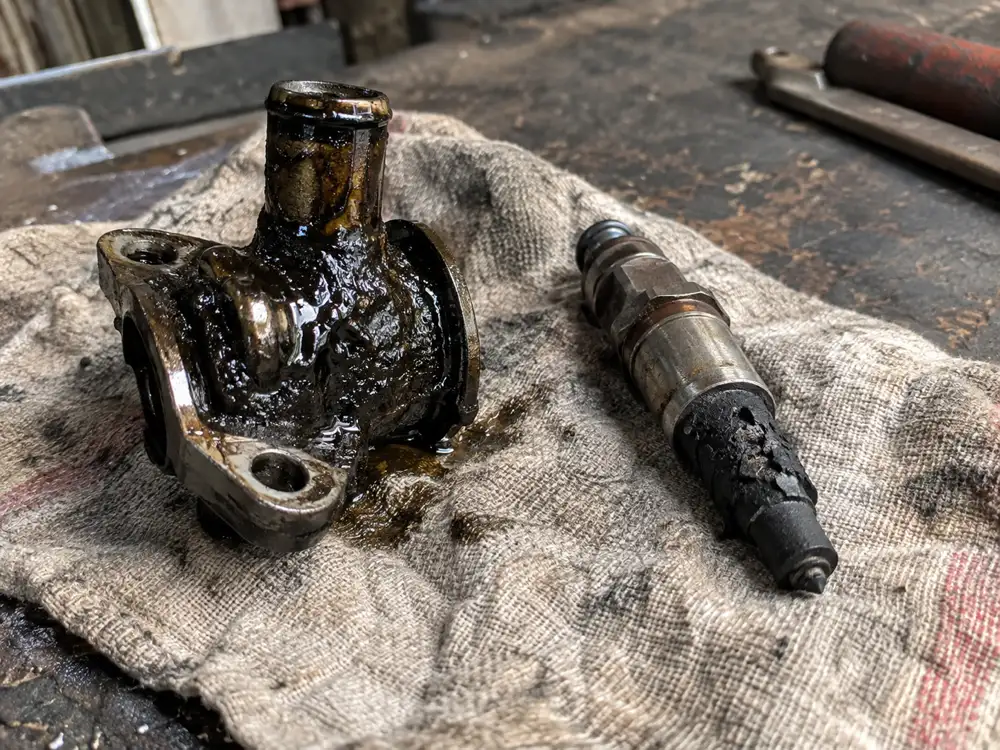
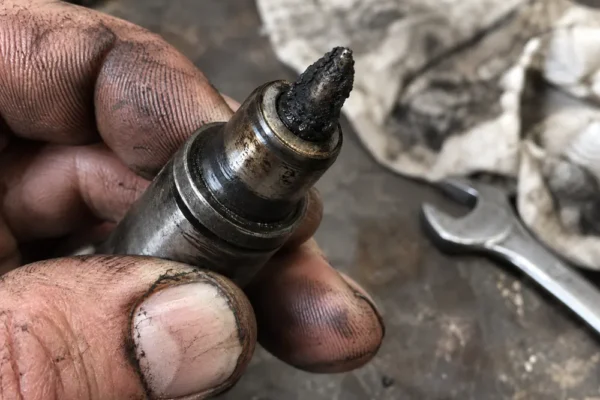
The fuel side is a different story. On the injector tips, the intake valves and inside the chamber, you get coke and lacquer left behind by unburnt fuel. That narrows the nozzle holes and wrecks the spray pattern. Hesitation, worse economy, sometimes a bit of smoke: that’s where it comes from. This is where PEA detergent, carried in the fuel, does its work. And here’s the part that matters: those deposits are reversible. There’s even a standardized engine test for it, CEC F-98-08 DW10B (run on a Peugeot DW10B engine), used to independently measure how much a given additive cuts injector deposits and claws back the power lost to fouling. That’s not a claim off the label. It’s an industry test procedure. One condition, though: we’re talking DEPOSITS, not an injector that’s mechanically worn.
How does each one work, and for how long?
The oil flush works in minutes with the car standing still. The injector cleaner works over kilometres of driving.
An oil flush goes like this. Pour it into the warm, used oil, let the engine idle for anywhere from a few minutes to fifteen or so (no driving, no revving), then drain the flush out together with the old oil. Fresh oil back in, and a new filter - this bit isn’t optional, because the old filter would just hold on to some of the dirt you’ve dissolved. And take the dose straight from the maker’s instructions. There’s no single magic number that fits every product.
A fuel injector cleaner works the other way round. You tip it into the tank and just drive. The detergent rides along with the fuel and lifts deposits as you go, over tens or often hundreds of kilometres, not a few minutes at idle. Once that tankful is used up, you refuel as normal. No draining, no oil filter change.
Which one should I pick for my problem?
Match the product to the system the problem actually lives in. Here are the cases we see most often in the shop.
| Your problem / goal | Reach for | Note |
|---|---|---|
| Dark, thick oil; sludge and carbon; prepping for an oil change | Engine OIL flush | add to the old oil, drain it out with the oil, fit a NEW filter |
| Hesitation, rough running, smoke, rising fuel use from injector deposits | Fuel INJECTOR cleaner | add to the tank; deposits are reversible (CEC F-98-08 DW10B test) |
| Injector worn out MECHANICALLY (not just fouled with deposit) | Regeneration / replacement | no additive reverses this - it’s a job for the workshop |
| Preventive care for BOTH systems | Both, but separately | flush at the oil change, injector cleaner at the fill-up |
Here’s the line you have to feel for. If the injector is only fouled with deposit, a PEA additive genuinely helps. If the tip is mechanically worn, or the electronics are packing up, nothing out of a bottle will fix it. That’s regeneration or replacement territory. The symptoms of a worn injector, and the regeneration side of things, we leave to the guides over at tec2000.com: a different animal from cleaning deposits. And if you’re after where to buy the right product for your system, they’ve got both oil flushes and injector treatments. For diesels specifically, there’s our guide on diesel injector cleaning.
Can you use both?
Yes, but separately, each at its own time. It’s not an either/or. They work in different systems and stay out of each other’s way. The usual plan is simple: the oil flush goes in at the oil change, the injector cleaner at the next fill-up. Two separate jobs, done at two separate times.
What you must not do is mix them up in the same place: no oil flush in the tank, no fuel additive in the oil. And keep your expectations honest. Both products deal with deposits, not with reversing wear. It’s maintenance, not a miracle.
How do oil flushes differ from one another?
They differ by their base, enough that picking one within the category is a subject of its own. Not every flush works as hard as the next. You can see it plainly in the safety data sheets (SDS). That’s the honest source: they show the composition, not the slogans off the label.

| Base type | Character | Note |
|---|---|---|
| Light aromatic solvent | dissolves more aggressively (inference from the base) | e.g. TEC 2000 Engine Flush - an advanced blend of hydrocarbon solvents on an aromatic base with an additive package; chlorine-free, kerosene-free (full composition in the SDS library) |
| Light paraffinic distillate | milder in action | C10-C13 hydrocarbons, low aromatics; a mild base still doesn’t rule out other additives - some variants are chlorinated, so check the full composition in the SDS |
| Oil carrier + detergent | the mildest, works as an oil carrier | an oil base with a calcium detergent (Ca-sulfonate) |
| Mixed base with detergent | solvent combined with a detergent package | a variant blending solvent and additives |
And to be straight with you: when I call one flush “stronger” than another, I’m reading that off the base, not off a number. A light solvent bites harder than an oil carrier with a detergent in it. The safety data sheet won’t rate that for you; it states the composition and the hazards, and that’s all. To line specific products up against each other, use the flush comparison tool.
What not to do - common mistakes
The worst mistake by a mile is pouring the product into the wrong system. Everything else on this list is small next to that. A fuel additive in the oil, or an oil flush in the tank: no effect if you’re lucky, a problem if you’re not.
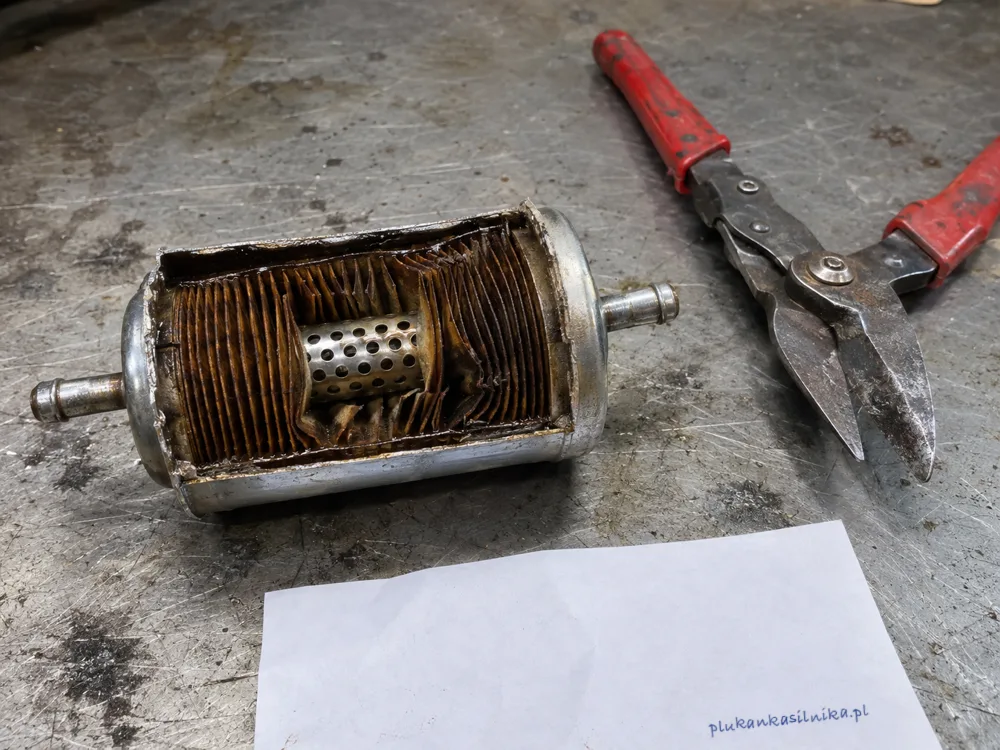
The second trap is products with misleading names. Plenty of what’s on the shelf is a multi-function product, or a pure fuel additive, dressed up with “engine flush” on the front. Read the instructions and check which system it’s actually meant for, the oil or the fuel. The name will happily fool you.
And the third one, a proper shop-floor classic: don’t pour kerosene, diesel or petrol into the engine “to flush it through.” It strips the lubrication (nasty in a common rail especially), it cleans nothing, and it can wreck your seals. An oil flush is not the same thing as thinner out of a can.
Anti-myths worth dropping
A handful of these get repeated so often they cost people money, and sometimes engines. Let’s take them one at a time.
- “Good oil cleans itself.” No oil cleans itself, and none of them “wash the engine” either. Oil ages and picks up dirt. It doesn’t quietly carry that dirt back out.
- “Fuel cleans the injectors by itself.” If anything it’s the reverse: fuel ages too. When diesel and FAME oxidise, you get free acids along with insoluble gums and polymers, and those clog lines, filters and injectors. What brings the deposits down is a PEA additive, not the fuel coming off the pump.
- “One product handles everything.” No. Deposits on the oil side and deposits on the fuel side are two different problems in two different systems.
- “An additive fixes a worn injector.” Learn to tell deposits from wear. Deposits are reversible, and the product helps there. Mechanical wear is irreversible, and that’s a regeneration or replacement job.
Frequently asked questions
Does an engine oil flush clean the injectors?
No. An oil flush stays in the lubrication system and never physically reaches the injectors, which sit over in the fuel system. Injectors need their own product, added to the tank.
Will a fuel injector cleaner improve anything in the oil?
No. Once it’s in the tank it stays in the fuel system, with no route to the oil or the sludge down in the sump. Only an oil flush acts on sludge and carbon in the oil.
What do I add when the engine hesitates and smokes?
If injector deposits are behind it, start with a fuel injector cleaner added to the tank. But if the injector is mechanically worn, no additive reverses that, and you’re into regeneration or replacement at a workshop.
Can I use both at once?
Yes, but kept separate, each in its own system and its own time. The oil flush at the oil change, the injector cleaner at the fill-up. Don’t mix them in the same place.
Is an oil flush safe?
Used the way the maker tells you to, it’s a routine job. Just remember that flushes differ by base: a light solvent acts harder than an oil carrier with detergent. You can check where a given product sits in the SDS library.
Will kerosene replace a flush?
No. Kerosene strips the lubrication, cleans nothing and puts your seals at risk, common rail especially. It’s one of the priciest “home remedies” going.
Are all oil flushes the same?
No. They differ by base, from a light aromatic solvent, through a paraffinic distillate, to an oil carrier with detergent. That’s a choice in its own right. You’ll find it laid out in our comparison tool and in the guide to choosing a flush.