A decent car is not only a status symbol, but above all a means of getting around. In an age of growing environmental awareness, components such as the diesel particulate filter, known as the DPF (Diesel Particulate Filter), have become an important topic for many drivers. But can you really drive without a DPF? Is it legal? Is it safe?
Buckle up, dear reader, because we are taking you on a ride through the world of DPF filters, their impact on the environment and your everyday experiences on the road.
What is a DPF and how does it work?
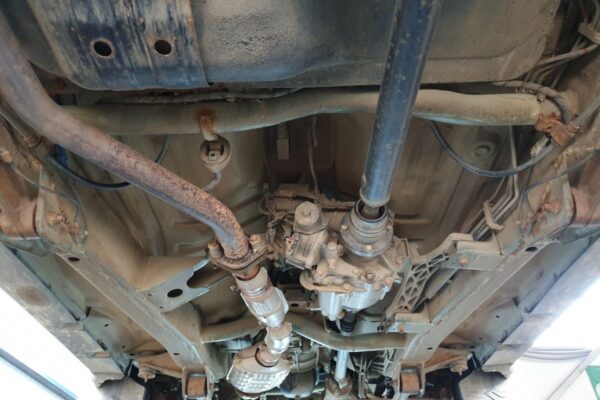
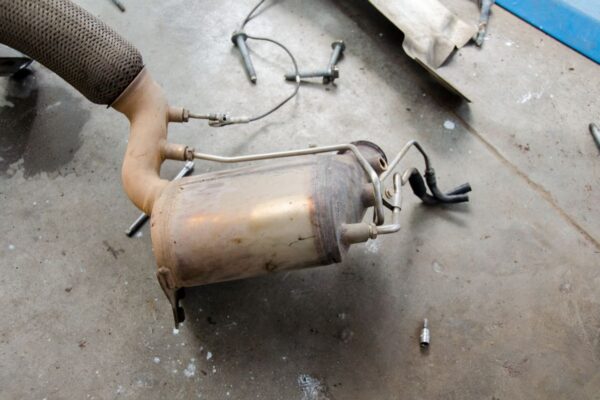
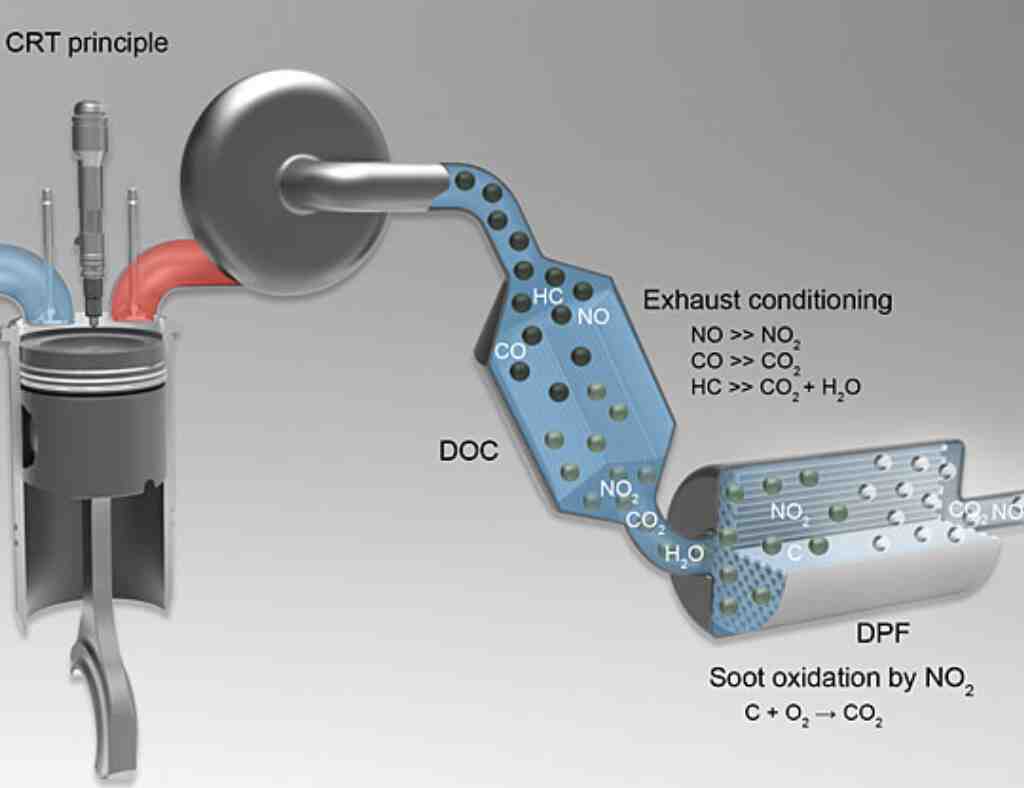
A DPF is a device installed in the exhaust system of vehicles powered by diesel fuel. Its main task is to reduce the emission of harmful particulate matter. It works roughly like this:
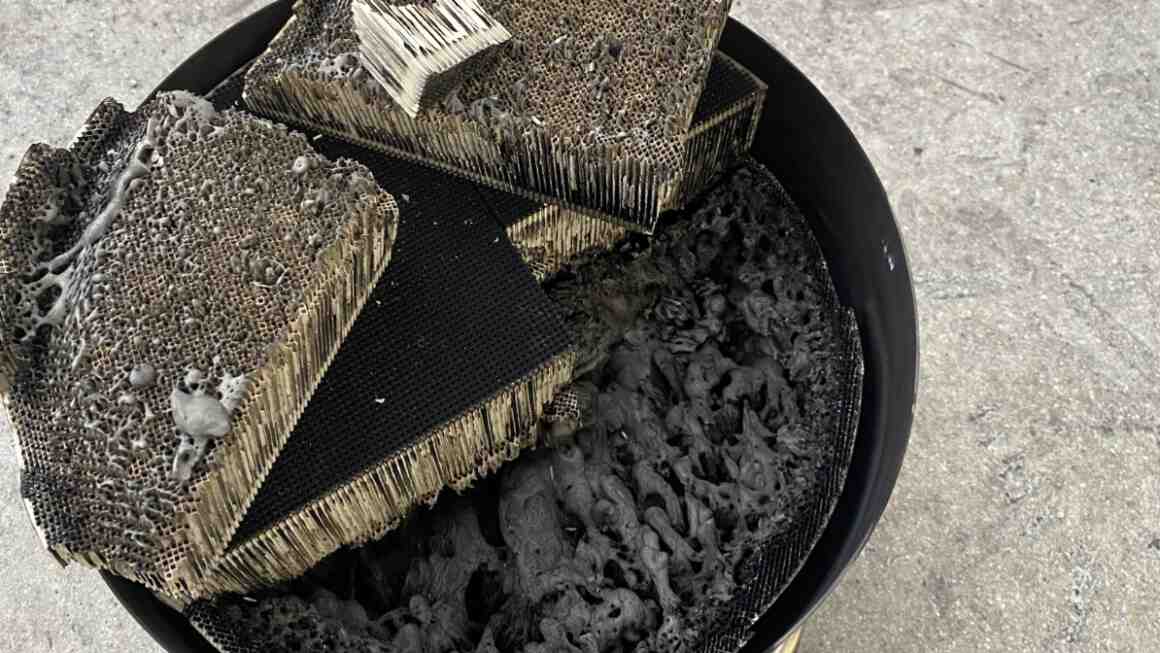
- the DPF passes the exhaust gases through a network of ceramic pores,
- the solid particles are captured and accumulate on the surface of the filter,
- as a result of heating, the accumulated particles are burned off and converted into less harmful gases

Can you drive without a DPF?
Technically speaking, you can drive without a DPF filter. But before you start planning to remove your filter, it is worth knowing that:
- it is against the law - in many countries, including Poland, removing the DPF is illegal. So while the car will certainly still be able to move, you may expose yourself to legal consequences,
- it is harmful to the environment - the DPF is not in the car without reason and serves to reduce the emission of harmful particulate matter, so driving without it will certainly increase your car’s negative impact on the environment,
- it can affect engine performance - some people claim that removing the DPF can improve engine performance, however it is worth noting that it can also lead to problems, such as clogging of the exhaust system.
Can I remove the DPF from my car?
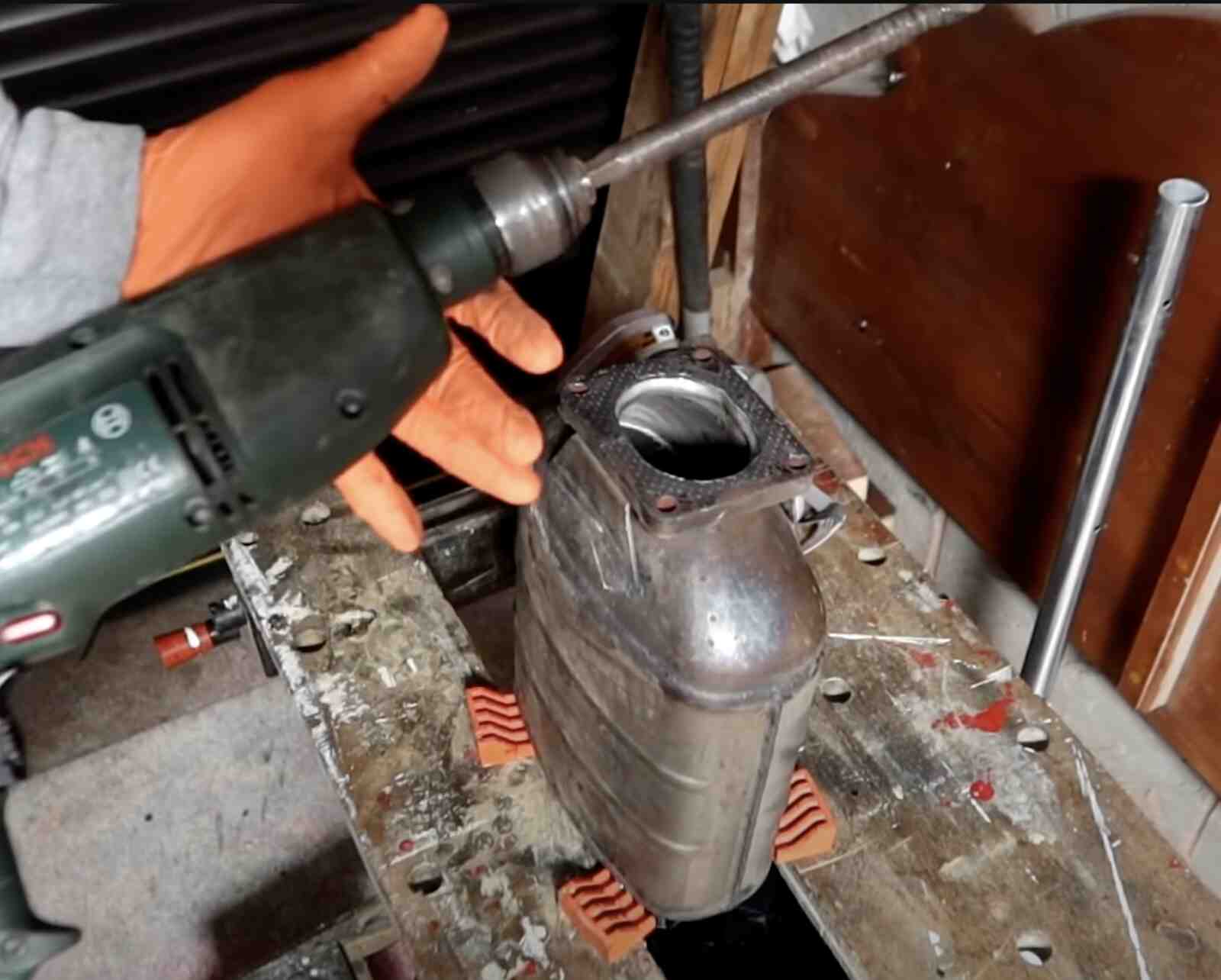
Yes, technically you can do it, but remember that it is against the law and can have a negative impact on the environment. It is therefore not worth risking a fine and the cancellation of the vehicle’s type approval, and contributing to air pollution.
What happens if the DPF in my car breaks down?
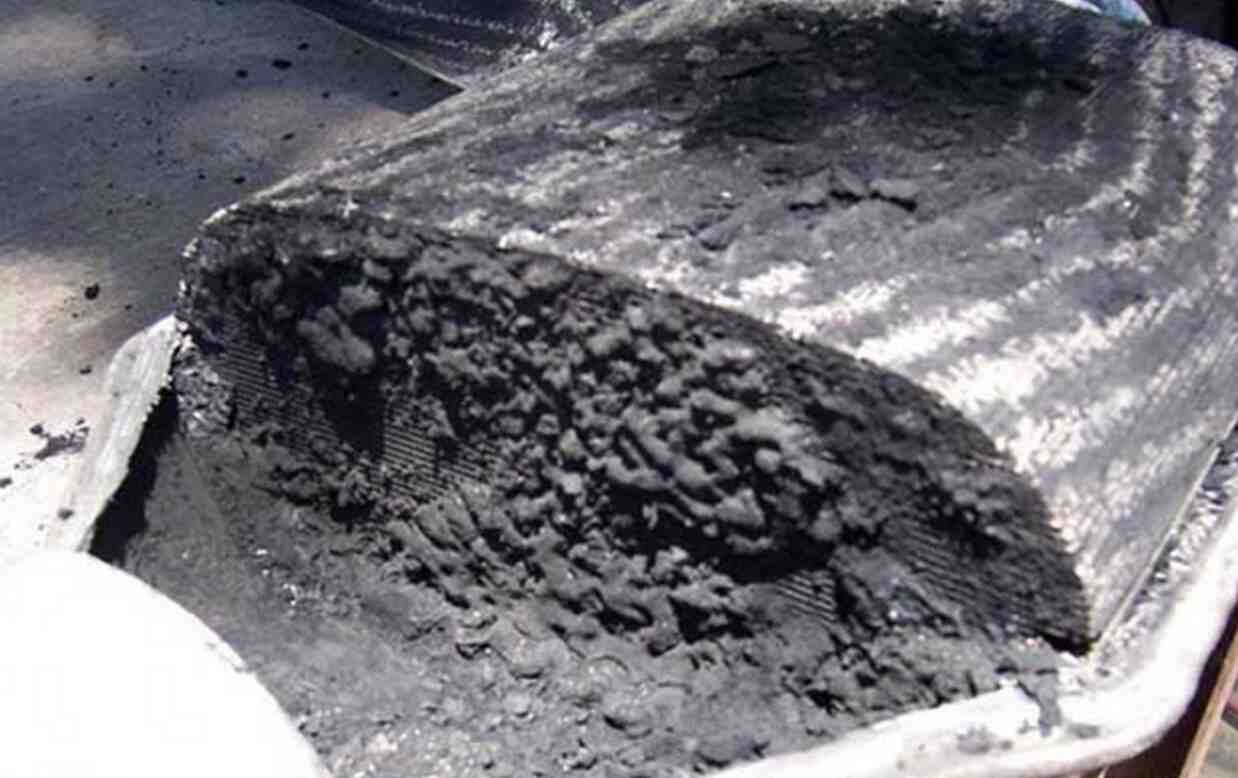
If the DPF breaks down, you will most likely notice a drop in the car’s performance, and the check-engine light may come on. In that case, it is best to contact a mechanic as soon as possible - they will carry out the necessary cleaning, or suggest replacing this component.
Usually, however, the DPF is designed to last the entire life of the vehicle. If we
use the car properly and follow the manufacturer’s recommendations, the filter should burn off on its own.
DPF removal and the technical inspection - will we get approval to use the vehicle?
If we want to carry out the mandatory technical inspection of the car and we come across someone who places emphasis on the regulations regarding exhaust emission standards, then we have very little chance of obtaining a positive test result without having a DPF filter. If we do not obtain the stamp confirming that the technical inspection has been carried out, we have no right to use the car - it is therefore not worth removing the diesel particulate filter and generating the problems associated with it.
The DPF is an important component of your car, which fulfils important functions for the environment and for the operation of your engine. Although technically you can drive without a DPF, it is against the law and has many potential negative consequences. That is why it is important to take care of your DPF filter and keep it in good condition.
Remember that a driver’s responsibility does not end with safe and law-abiding driving. Taking care of our planet is just as important. And this is where the DPF has a key role to play. So, instead of wondering whether you can drive without a DPF, perhaps it is worth asking yourself - do we really want to do it?